Where to Stay in Zurich: Old Town, Enge or Zurich West for First-Time Visitors
Where to stay in Zurich for a first visit depends less on hotel rankings than on which daily route you want to simplify.
Best fit at a glance: Old Town is the simplest base when central sightseeing on foot is your priority. Enge makes more sense when the lake and the west shore shape your days. Zurich West works when you expect to spend repeated evenings there and do not mind using public transport more often for Old Town sightseeing.
The useful distinction is not “good neighborhood versus bad neighborhood.” It is which trip you will repeat from your hotel every day. Zurich Tourism’s district guide places Old Town in District 1, the city’s most central district; Enge belongs to District 2 on the left shore of the lake; and Zurich West is District 5, around the Viadukt and Prime Tower.
There is also a fare detail that changes how this comparison should be read. Zürich HB, Zürich Enge and Zürich Hardbrücke are all listed by ZVV in fare zone 110. So choosing Zurich West does not automatically put your representative station in another city fare zone. The real tradeoff is usually the route you repeat—walking, transfers and where your day starts or ends—not a simple “farther west equals another zone” rule.
Last verified: August 16, 2026. ZVV fare-zone rules and public-transport networks can change; confirm your exact hotel address and route in the official ZVV planner before travel.
Compare Old Town, Enge and Zurich West by the Trip You Will Repeat Every Day
The three names describe very different positions in the city.
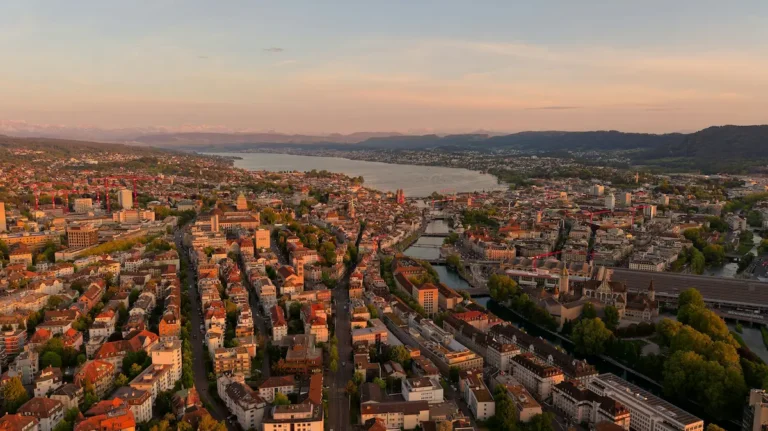
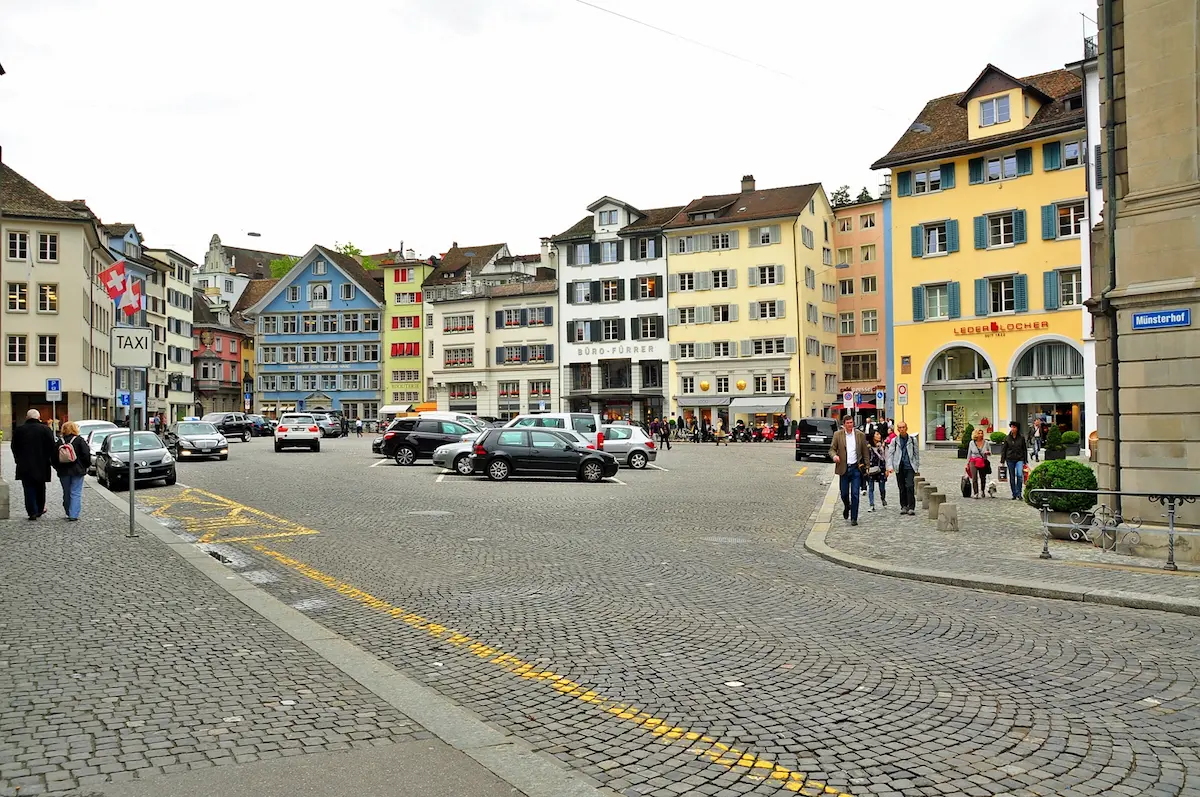
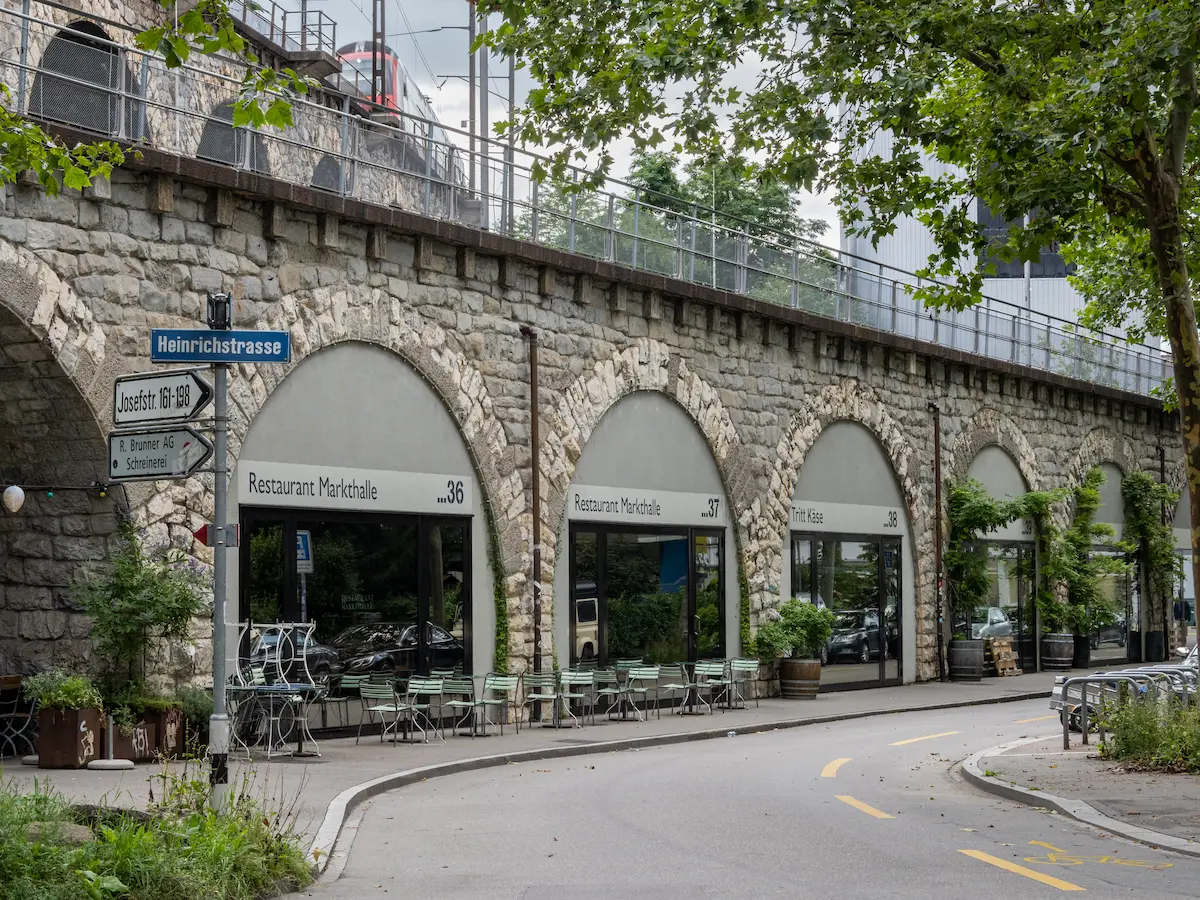
Old Town sits in District 1. Zurich Tourism describes District 1 as the most central district, covering the historical Old Town on both banks of the Limmat and extending south toward the lake basin. That matters because a first-time sightseeing day often links places on both sides of the river with Bahnhofstrasse and the lakefront. A hotel inside or immediately beside this core lets many central trips begin as walks rather than transit decisions.
Enge is south of the central core on the left shore of Lake Zurich. Zurich Tourism’s District 2 description specifically names Enge station and Seebad Enge, while the broader district follows the left shore. The important point for a hotel decision is geographic: Enge shifts your base closer to the lake and farther from the middle of the Old Town without pushing you outside Zurich’s central transit network.
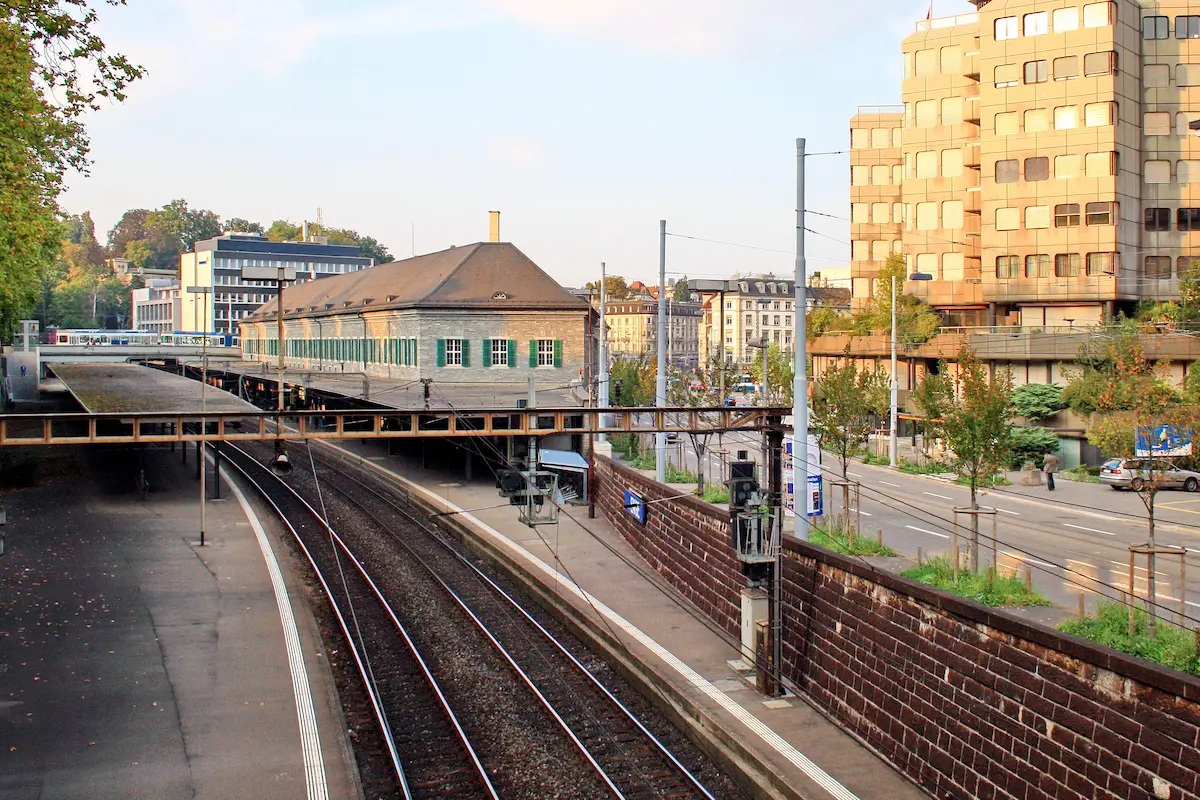
Zurich West sits northwest of the Old Town in District 5. Zurich Tourism identifies Prime Tower and the Viadukt as defining landmarks of the district, which developed from an industrial area into a concentration of cultural venues, shops and nightlife. Zürich Hardbrücke is the useful transit reference for this side of the comparison, and ZVV lists it in zone 110.
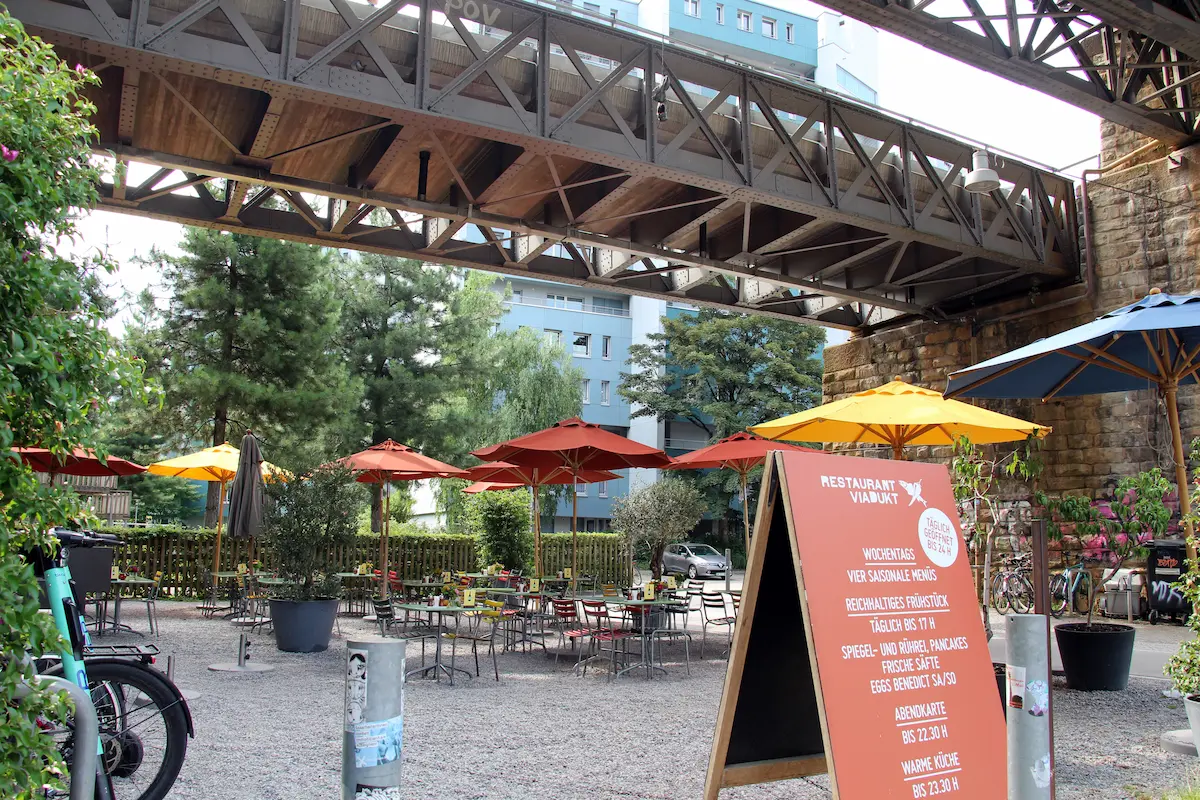
This is why a neighborhood label alone is not enough. A hotel near the edge of Old Town can behave differently from one deeper on the opposite bank of the Limmat. An Enge address beside the station is a different transport proposition from one farther south. Zurich West also stretches beyond a single stop.
Before booking, use the exact property address rather than the neighborhood name. Run three routes: hotel to Zürich HB, hotel to your main Old Town anchor, and hotel to the place where you expect to finish the most evenings. The area that removes a repeated transfer or repeated cross-city trip is often the one that makes the stay feel simpler.
A useful area comparison needs fixed criteria. For a first visit, the most repeatable ones are central sightseeing, Zürich HB, the lake, evenings in Zurich West and dependence on public transport.
| Trip you expect to repeat | Old Town | Enge | Zurich West | What actually changes |
|---|---|---|---|---|
| Central Old Town sightseeing | Lowest transit dependence | More northbound movement | More east/southeast movement | How often you need transit before sightseeing starts |
| Zürich HB as a daily anchor | Strongest fit near the station side of District 1 | Public transport becomes part of the routine | Hardbrücke/HB connection becomes part of the routine | Number of station-focused days and exact hotel address |
| Lake access | Good near the southern part of District 1 | Strongest geographic fit of the three | Usually requires a trip toward the lake | Whether the lake is a daily setting or one scheduled activity |
| Evenings centered on Zurich West | Requires a westbound return | Requires a cross-city return | Lowest return friction | Where you expect most nights to end |
| Representative ZVV station | Zürich HB — zone 110 | Zürich Enge — zone 110 | Zürich Hardbrücke — zone 110 | Distance within the city is not the same thing as crossing into another fare zone |
The last row is the easy detail to miss. ZVV lists Zürich HB, Zürich Enge and Zürich Hardbrücke in zone 110. Its fare-zone rules also state that zone 110 counts as two zones when ticket prices are calculated. Those are two separate facts: the city zone has a special pricing rule, but the three representative stations in this comparison still share the same zone number.
That does not mean every hotel in the three areas has an identical route or that every trip costs the same. It means “Zurich West is farther from Old Town” should not be casually translated into “Zurich West requires an extra city zone.” The exact route determines what you need.
For most first-time visitors, this makes time and repetition more useful criteria than fare-zone anxiety. If you plan four central sightseeing blocks and one Zurich West evening, staying west creates a repeated commute for the larger part of your trip. If three nights end around District 5 and your Old Town sightseeing is concentrated into one or two blocks, the equation changes.
The same logic applies to Enge. Being closer to the lake is meaningful when the lakefront is part of your daily rhythm, not simply because Lake Zurich appears on the itinerary once. If your only lake plan is a cruise, compare the actual departure and duration in the Lake Zurich cruise options before letting “near the lake” decide the entire hotel base.
Where Each Area Wins—and Where It Creates Friction
There is no need to score the areas. Each one removes one kind of friction and introduces another. The decision becomes clearer when you state what you are optimizing.
Old Town: Choose It When You Want Sightseeing to Start on Foot
Old Town has the cleanest argument for a conventional first visit: District 1 is Zurich’s central district, spread across both sides of the Limmat and down toward the lake basin. That puts a large share of the central sightseeing geography around your base rather than at the end of a transit ride.
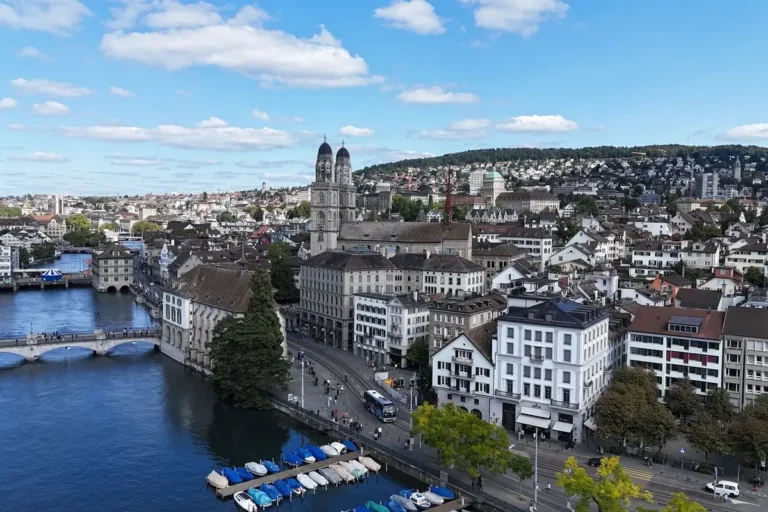
Old Town viewed from Lindenhof. Photo: Jochen Teufel / Wikimedia Commons / CC BY-SA 3.0; croppedThis is the area to favor when your itinerary repeatedly returns to the historic core, Bahnhofstrasse, the river and central lakefront. It is also easier to justify when Zürich HB matters several times during the stay—especially if the hotel is on the station side of District 1.
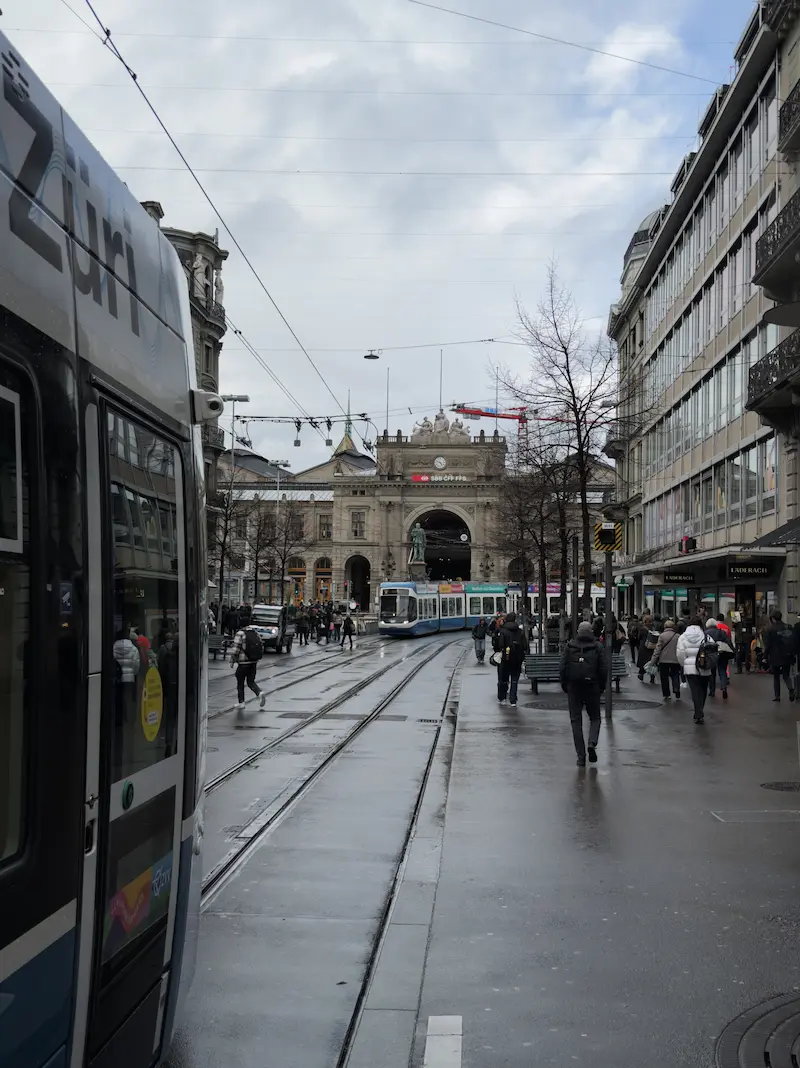
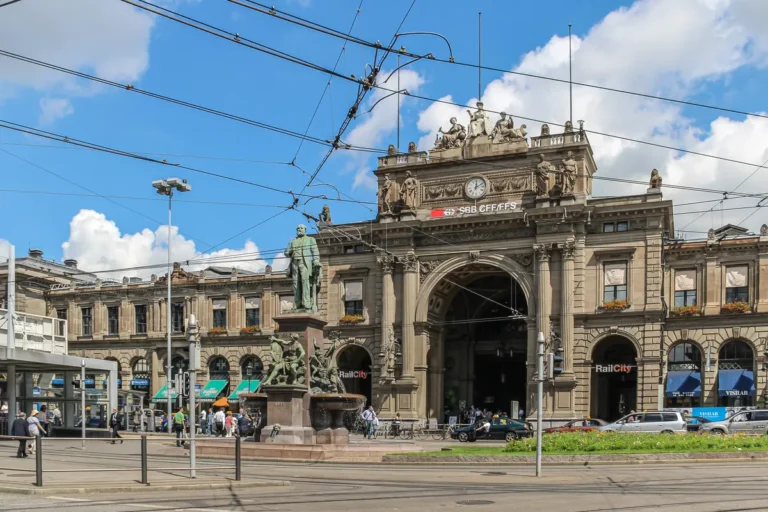
Bahnhofstrasse looking toward Zürich Hauptbahnhof. Photo: Mike is Michi / Wikimedia Commons / CC BY-SA 4.0; cropped.The limitation is that “Old Town” can sound more precise than it is. The river divides the core, and the exact address determines which side of your daily routes you start from. A hotel chosen only because it carries an Old Town label can still create an unnecessary walk to the station or to the place where you finish your evenings.
Old Town is also less compelling when your itinerary is deliberately weighted elsewhere. If most evenings are in Zurich West, you will repeatedly travel west to end the day. If your days are built around Enge, the lake’s left shore and locations farther south, a central Old Town address can become a route you keep retracing rather than a shortcut.
Who should avoid making Old Town the automatic choice? Travelers whose plans are not actually Old Town-heavy. If your itinerary says “Zurich West” three nights in a row, or your most repeated daytime destinations sit around Enge and the west shore, centrality on a city map does not necessarily mean centrality to your trip.
Enge: Choose It When the Lake Is Part of Your Daily Geography
Enge changes the balance rather than taking you out of central Zurich. Zurich Tourism places Enge in District 2 on the left shore of Lake Zurich and specifically identifies Enge station and Seebad Enge among the district’s landmarks. ZVV lists Zürich Enge in zone 110.
That combination makes Enge useful for a traveler who wants the lake close without treating public transport to Old Town as a problem. It is not a substitute for the historic center; it is a different starting point.
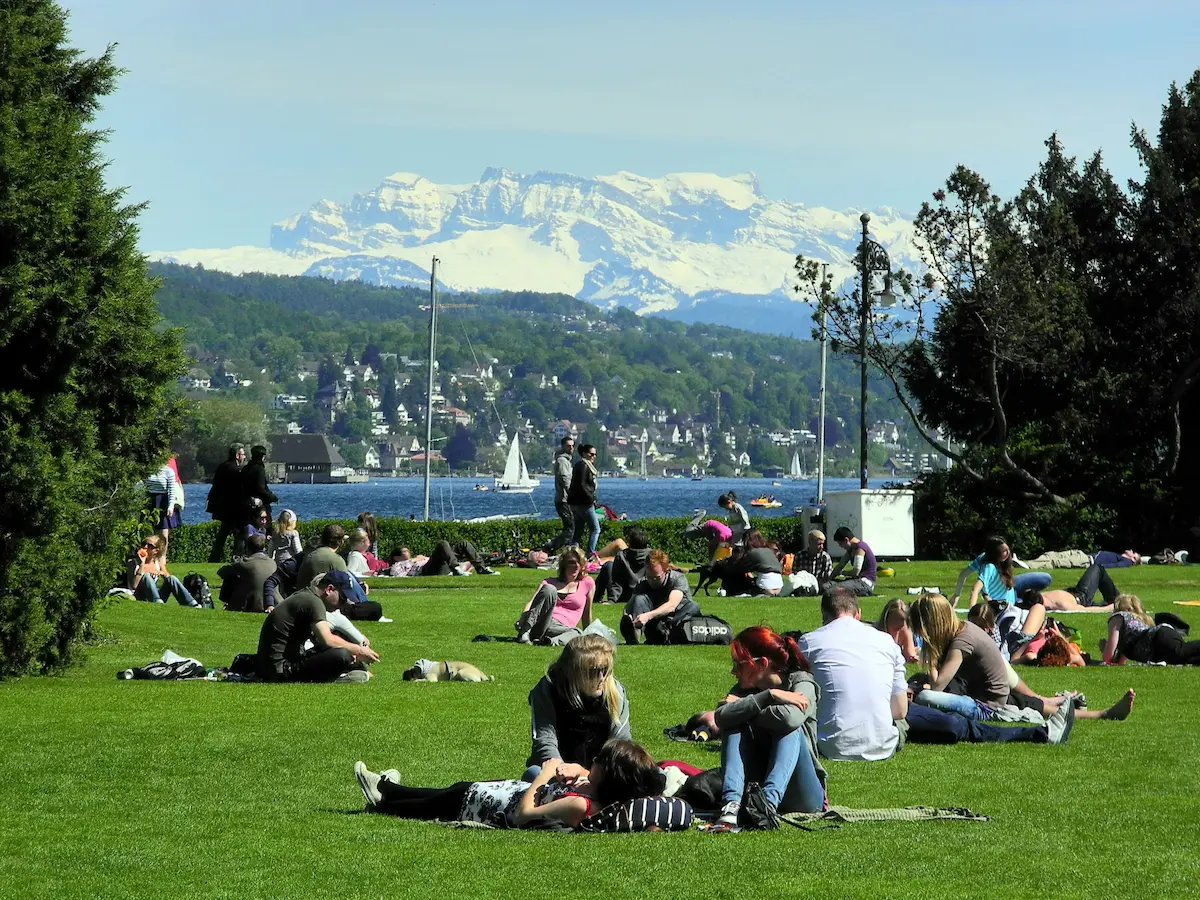
The strongest case for Enge appears when you can name a repeated lake-side reason for being there. Perhaps the west shore shapes your morning and evening plans, or several destinations sit south of the Old Town. In that case, staying in Enge removes north-to-south backtracking that an Old Town base would create.
Enge becomes weaker when nearly every day begins with Old Town sightseeing and ends in the historic core. You can still reach those places easily through Zurich’s network, but you have chosen to add a northbound movement to a trip that could have started there.
The exact address matters here too. “Enge” should not be treated as a promise that the lake, station and every District 2 destination are equally close. Check the hotel against Zürich Enge station and against the specific lakefront point you care about.
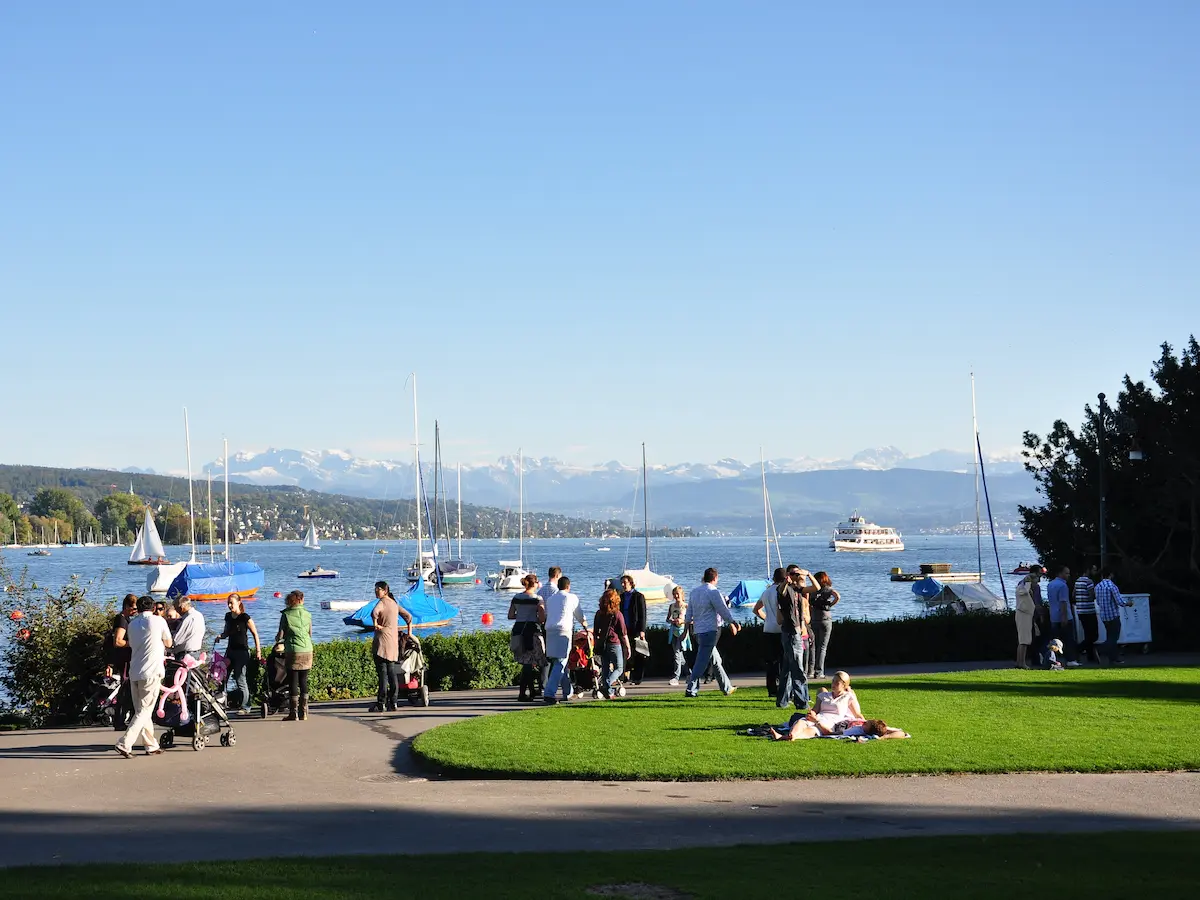
Who should avoid Enge? Travelers who mainly want to walk out of the hotel and begin each day inside the historic core, or those who will use Zürich HB repeatedly and would gain little from being south of it.
Zurich West: Choose It When the West Side Is a Destination, Not a Detour
Zurich West makes the most sense when District 5 is part of the trip itself. Zurich Tourism describes the area around Prime Tower, the Viadukt, cultural institutions and nightlife as the defining geography of District 5. This is not simply “a cheaper place farther away” or “the modern alternative.” It is a separate activity cluster that can justify being your base when you repeatedly use it.
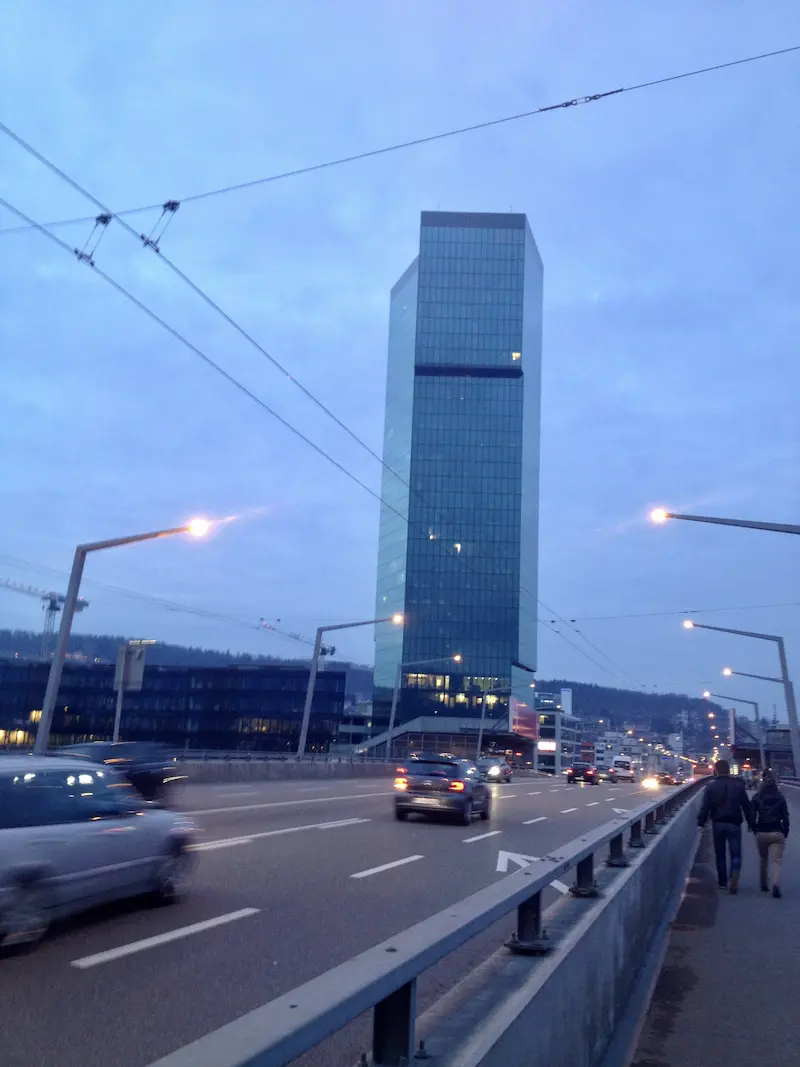
The transit detail keeps the comparison grounded. Zürich Hardbrücke is listed in ZVV zone 110, just like Zürich HB and Zürich Enge. Staying west therefore does not automatically mean leaving the Zurich city fare zone at the representative station level.
The cost is spatial, not necessarily zonal. Old Town sightseeing shifts from “step outside and start” to “travel to the core, then start.” Lake-focused days add another movement in the opposite direction. If those are the majority of your days, the hotel base is working against the itinerary.
The argument flips when Zurich West is where several evenings finish. A traveler who plans repeated District 5 dinners, cultural stops or late activities may prefer to make the westbound trip for sightseeing during the day and shorten the trip home at night.
This is the important test: Are you staying in Zurich West because you genuinely expect to use Zurich West, or because a hotel search happened to show you a property there? If the district itself is not in your plan, it is harder to justify the extra daily movement for a first visit.
Who should avoid Zurich West? Travelers building most days around Old Town and the lake, especially when they prefer to minimize transit decisions rather than use the network as part of the routine.
Arrival, Departure and Day Trips: When Zürich HB Changes the Choice
Zürich HB deserves its own test because hotel convenience is not only about sightseeing. It is also about the days when you arrive with luggage, leave early, change cities or return from a rail day trip.
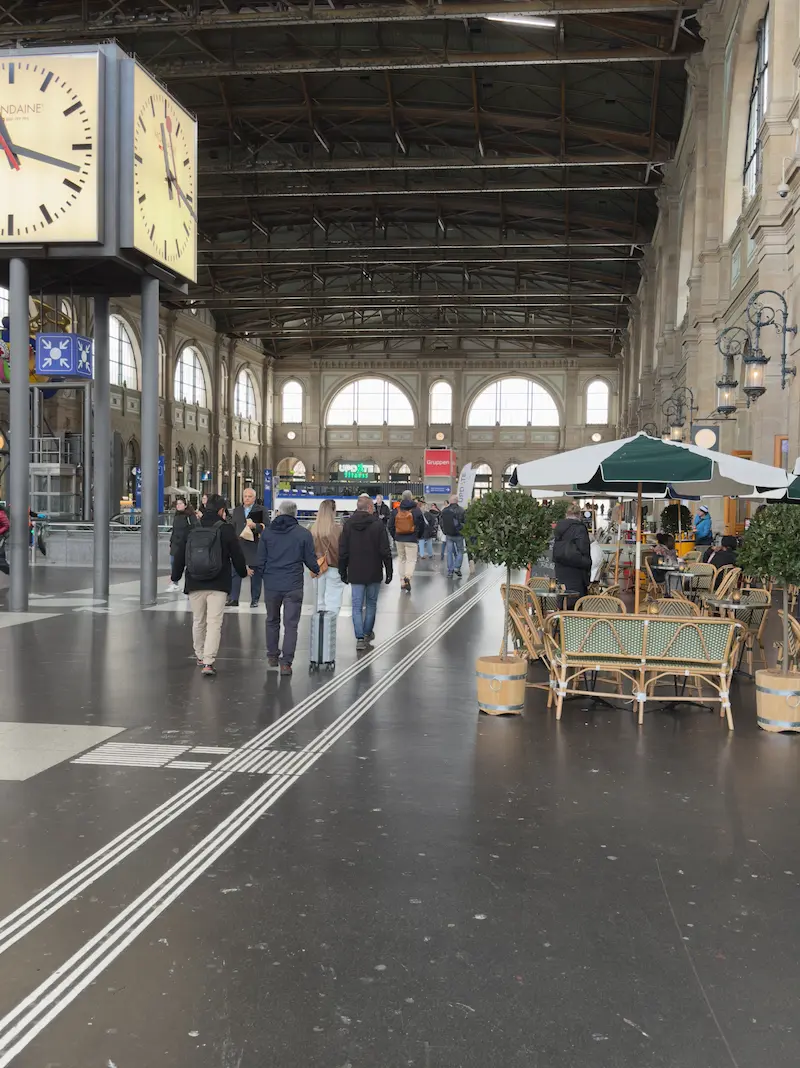
If your hotel is near Zürich HB, the station can function as both an arrival point and a daily reference. If your hotel is in Enge or Zurich West, the better question is not “How far is the neighborhood from HB?” but “What does my exact address require after I reach HB?”
TripFinch’s Zurich airport to city center guide uses the same final-address principle: the fastest airport-to-HB segment is not automatically the simplest airport-to-hotel trip if another transfer and walk remain after the station.
Apply that principle before choosing a base:
- Search Zurich Airport to the exact hotel address.
- Search Zürich HB to the exact hotel address.
- Count transfers rather than looking only at the first train segment.
- Repeat the test for any morning when you must be back at Zürich HB for an intercity train.
A single extra transfer is minor once. Repeating it on arrival, departure and several day-trip mornings is a different cost.
Luggage can make the station relationship matter even more. If you arrive before check-in and plan to spend those hours in central Zurich, the existing Zürich HB luggage storage plan explains why the useful storage point is the place that fits where your pre-check-in time will end, not simply where your flight landed.
That logic also helps distinguish the three bases:
- Old Town: strongest when Zürich HB and central sightseeing appear repeatedly in the same itinerary.
- Enge: stronger when the lake and southern/west-shore geography outweigh an extra movement toward HB.
- Zurich West: stronger when District 5 is used repeatedly enough that Hardbrücke-side access reduces the trips you make at the end of the day.
Do not overvalue Zürich HB just because it is a major station. If you have one arrival and one departure but four days centered elsewhere, two station trips should not automatically control the entire hotel decision. The station becomes decisive when it is a repeated anchor.
Interactive orientation map: compare Old Town, Enge and Zurich West with Zürich HB. Pins are orientation anchors, not neighborhood boundaries.
When Old Town Stops Being the Simplest Default
Old Town is the simplest default only while central sightseeing and Zürich HB make up most of the trips you repeat. Once that condition changes, the recommendation changes with it.
Choose Enge instead when lake access and the left-shore side of the city are part of your daily plan, not a one-off excursion. Choose Zurich West instead when District 5 is where several evenings or activities are concentrated and you are comfortable using transit to reach Old Town.
Before you commit to a hotel, run one final three-route test in the ZVV planner: hotel → Zürich HB, hotel → your Old Town anchor, and hotel → the place where most evenings will end. The base that removes the most repeated friction is the one that fits your Zurich trip.