Swiss Train Seat Reservations: When You Need One and When You Can Skip It
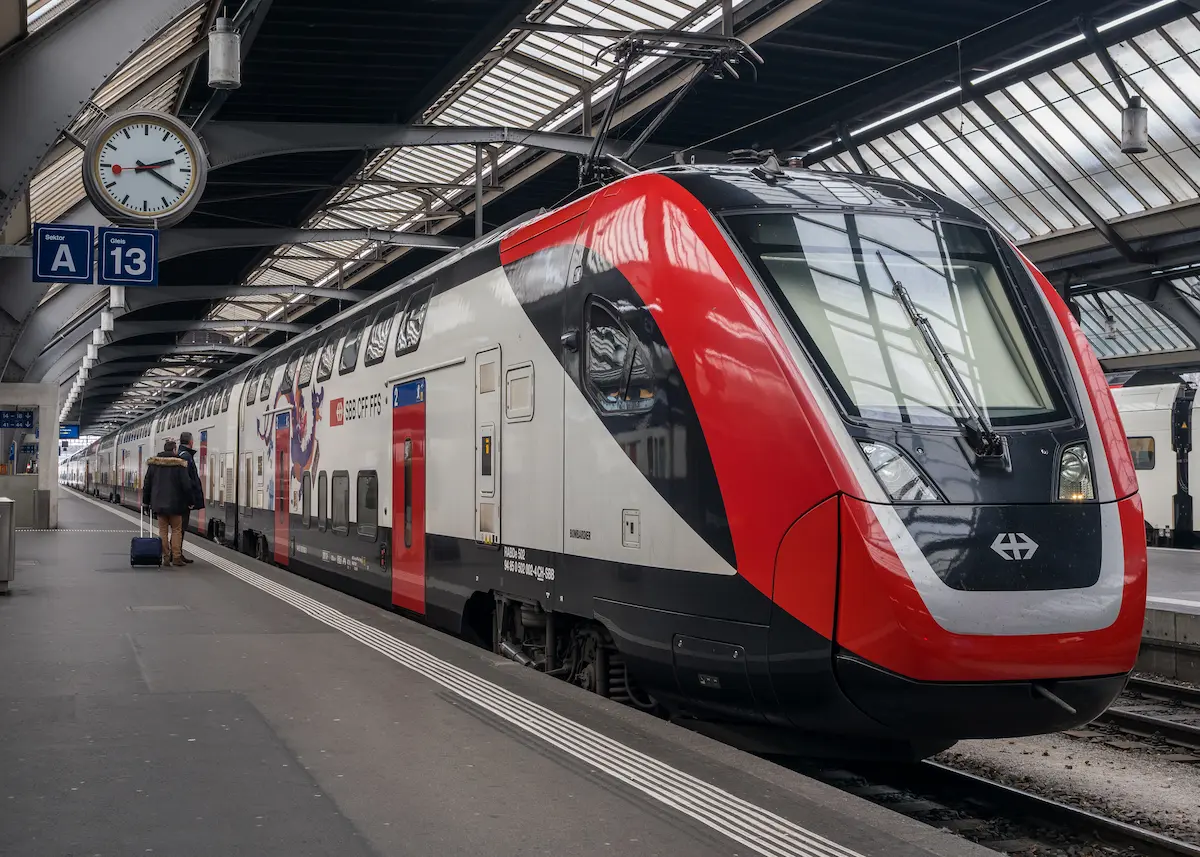
Do you actually need to reserve a seat after buying a Swiss train ticket or pass? The reservation rule: For most domestic Swiss trains, a ticket or Swiss Travel Pass gives you the right to travel, not a numbered seat. For Swiss train seat reservations, the key question is always the exact service you are boarding. On SBB InterCity services, a reservation is optional when the timetable marks it as possible; if the timetable marks reservation as compulsory, you need one. Some panorama trains require a separate reservation. The train name and timetable symbol—not the ticket type alone—decide.
If you are checking Swiss train seat reservations before a first trip, start with the exact service you plan to board. Regular InterCity travel, a regional train on the Bernina Line, and the Bernina Express can all involve seats in different ways. A pass can cover the journey while leaving the reservation or supplement outside its coverage.
Last verified: August 2026. Reservation rules, prices, train compositions, and booking conditions can change. Check the operator’s live timetable and booking page before travel.
A Ticket or Pass Is Not a Seat Reservation
Three separate things are easy to collapse into one: permission to travel, a reserved seat, and a train-specific supplement.
A point-to-point ticket or valid travel pass covers the transport shown by its conditions. A seat reservation assigns a specific seat on a specific service. A supplement is an extra charge attached to some special trains or classes. Buying the first does not automatically buy the other two.
SBB makes this separation explicit. Its Swiss Travel Pass covers travel by train, bus, boat, and qualifying panorama trains, but excludes seat reservations and/or supplements. That is why a pass holder can have a valid journey and still need to pay for a mandatory reservation on a special service.
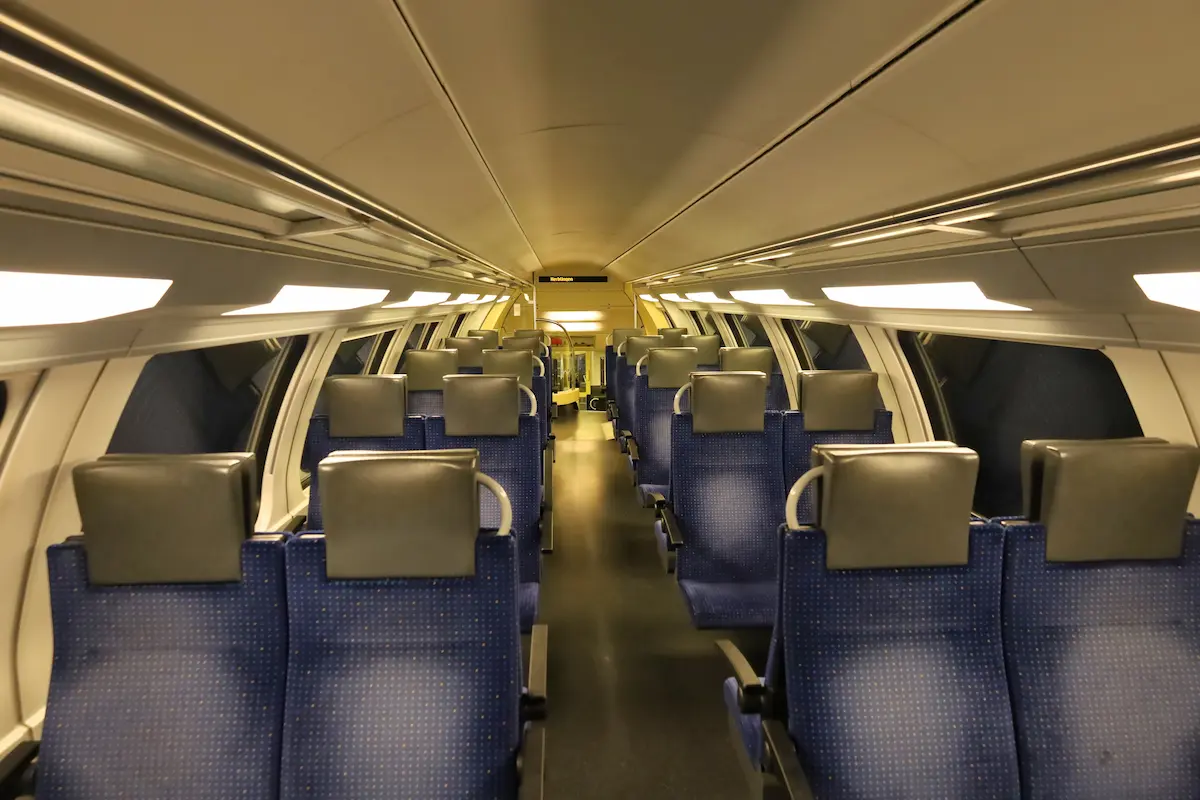
Second-class interior of an SBB RABe 514. Photo: E235JREMU/Wikimedia Commons, CC BY-SA 4.0; cropped and converted to WebP.This is also why Swiss train seat reservations should be treated separately from the pass decision. The Swiss Travel Pass vs Half Fare Card comparison deals with transport coverage and trip cost; the reservation question begins after you know which train you intend to take.
What the Swiss Travel Pass Covers—and What It Does Not
On ordinary domestic trains that do not require reservations, you board with the correct ticket or pass and use an available seat in the class you are entitled to travel in.
On an SBB InterCity marked as reservation possible, the pass can cover the ride while a voluntary reservation remains a separate purchase. On the Glacier Express or Bernina Express, the pass can cover eligible transport while the compulsory seat reservation remains separate.
The practical test is simple: do not ask, “Does my pass include this train?” and stop there. Ask a second question: “Does this exact service require a seat reservation or supplement?”
The CHF 5 Rule Has Two Very Different Uses
CHF 5 currently appears in two reservation situations that look similar at checkout but mean different things operationally.
SBB charges CHF 5 per seat on domestic InterCity trains that allow reservations. The reservation is optional unless the timetable specifically marks it as compulsory; on normal reservable IC services, it is a way to secure a particular seat rather than a condition for using the train. SBB also warns that a last-minute rolling-stock change can invalidate a reservation. If that happens, the train crew can provide written confirmation for a refund of the CHF 5. The live SBB seat-reservation guidance is the place to recheck this before travel.
For an arrival-day trip such as Zürich Flughafen to Luzern, flexibility can matter more than choosing a numbered seat. The Zurich Airport to Lucerne guide already treats regular Swiss train travel separately from the seat-reservation question.
SBB InterCity: Optional When the Timetable Offers It
SBB does not offer seat reservations on every domestic train. Its help page says reservable services are marked in the timetable with an R. An R next to a seated-person symbol means reservation compulsory.
That distinction is more useful than memorizing train categories. If an IC offers a voluntary reservation, CHF 5 buys a seat assignment. If the timetable does not offer it, there is no reason to invent another reservation step for a normal domestic journey.
A different rule can apply when the journey crosses a border. SBB states that reservation prices and requirements vary by country and operator for international services, so a domestic Swiss IC and an international connection need to be checked separately.
Bernina Regional Trains: Optional Reservations on a Route People Associate With the Express
The Bernina Line is the clearest example of why the train name matters.
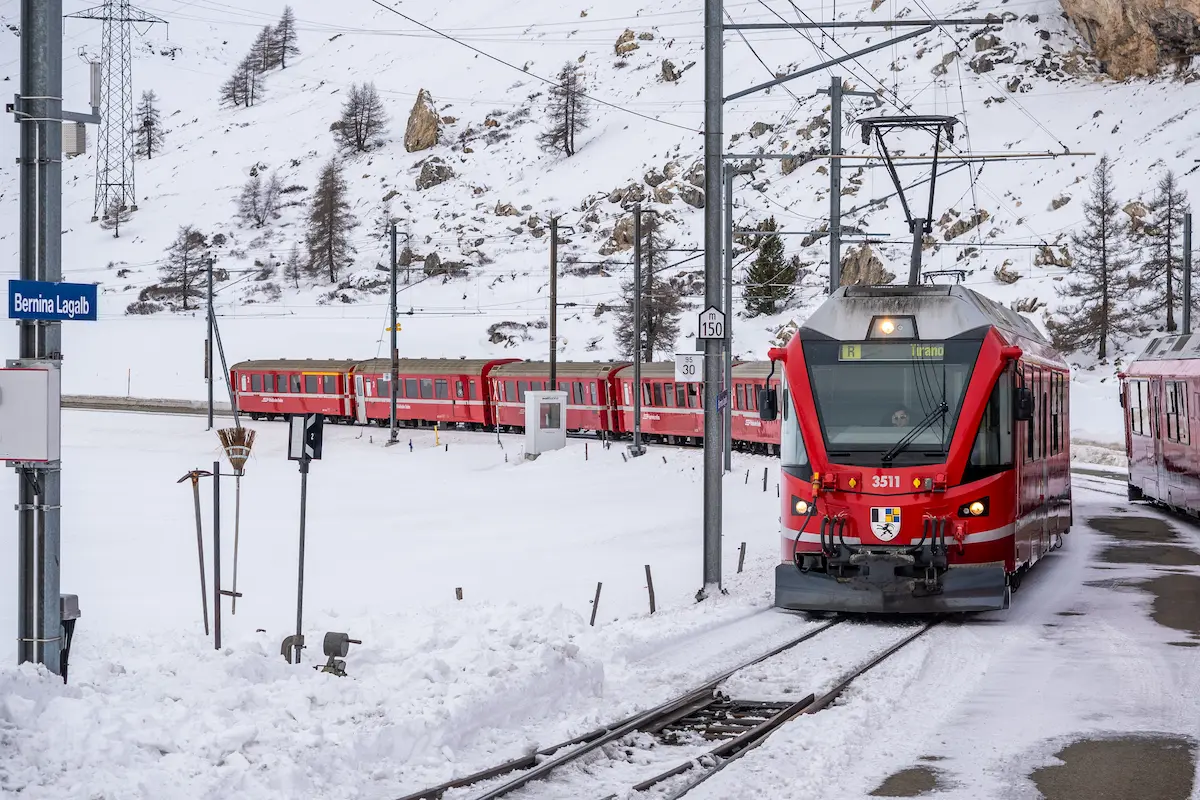
RhB currently offers voluntary seat reservations on regional trains between St. Moritz and Tirano for CHF 5 per person, in either first or second class. Only a limited number of seats on each connection are reservable. If those reserved places sell out, RhB says the journey can still be made without a reservation.
Those regional trains are not the Bernina Express. They use the regular timetable and do not use the Bernina Express panoramic cars. The Bernina Express, by contrast, requires both a valid ticket and a mandatory seat reservation.
Same corridor, different booking rule.
Panoramic Train Does Not Mean One Reservation Rule
“Panoramic train” is not a reservation category. The operator and exact product set the rule.
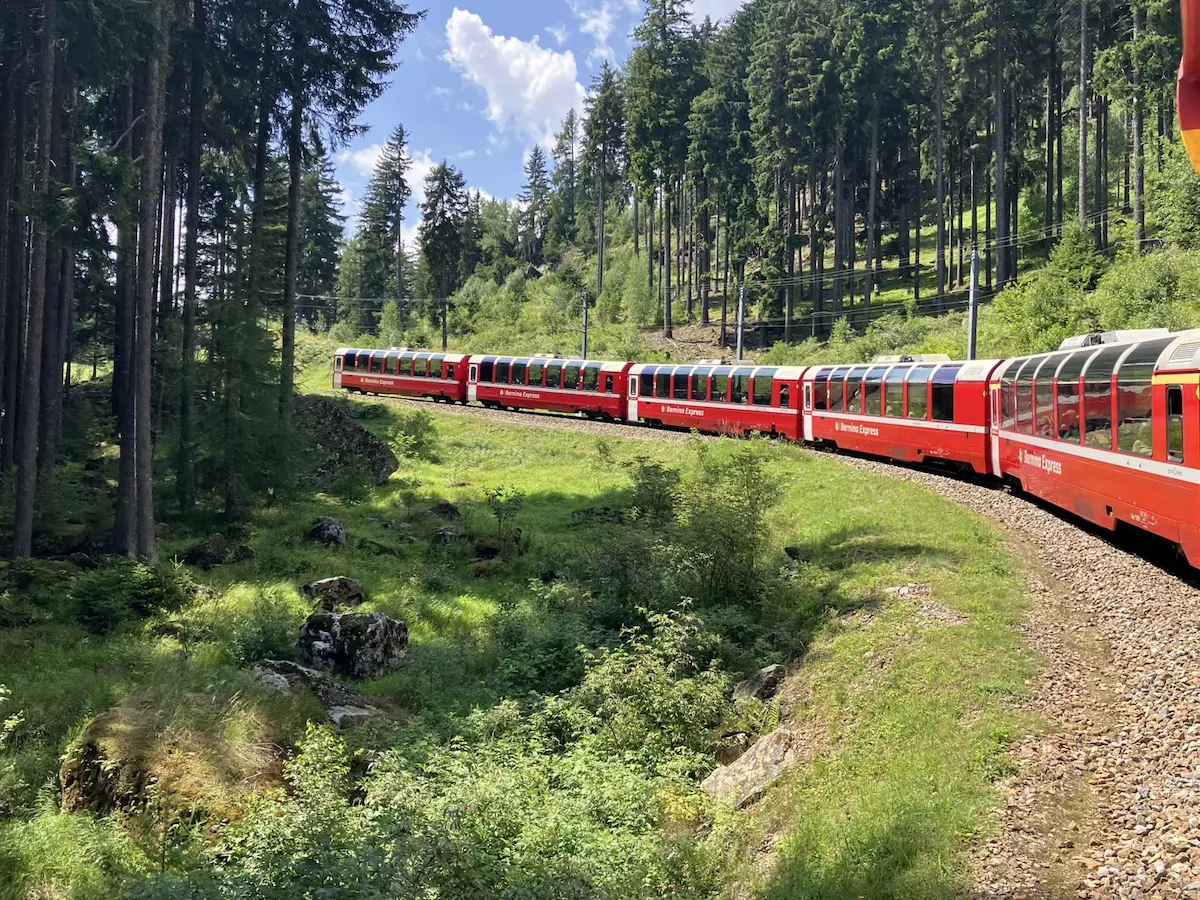
As of August 2026, Glacier Express requires a mandatory reservation in addition to a valid ticket, with the current first- and second-class reservation fee at CHF 54. The Gotthard Panorama Express also has an obligatory reservation for its train section; SBB lists the current fee at CHF 24 per person, and the panorama train operates in first class. GoldenPass Express follows another model: MOB lists a CHF 20 optional reservation for individual first- and second-class passengers, while Prestige requires a CHF 49 reservation/supplement and a valid first-class ticket.
The differences are easier to use when they sit in one place:
| Train or service | Reservation rule | Current reservation cost | What the ticket/pass does not automatically do |
|---|---|---|---|
| SBB domestic InterCity, when marked reservable | Optional unless timetable marks it compulsory | CHF 5 | Assign a numbered seat |
| RhB regional train, St. Moritz–Tirano | Optional | CHF 5 | Guarantee one of the limited reservable seats |
| Bernina Express panoramic car | Mandatory | Check RhB live booking | Replace the required seat reservation |
| Glacier Express, 1st/2nd class | Mandatory | CHF 54 | Replace the mandatory reservation |
| Gotthard Panorama Express train section | Mandatory | CHF 24 | Replace the mandatory reservation or required class |
| GoldenPass Express, individual 1st/2nd class | Optional | CHF 20 | Assign a seat unless you reserve one |
| GoldenPass Express Prestige | Mandatory | CHF 49 | Replace the Prestige reservation/supplement or 1st-class travel entitlement |
The table exposes the mistake behind a lot of planning advice: neither “regional” nor “panoramic” tells you the whole rule. A Bernina regional train can be reservable without requiring a reservation. A Bernina Express seat is compulsory. A GoldenPass Express first- or second-class reservation is optional for individual travelers, while Glacier Express requires one.
Let the Timetable Symbol Make the Final Decision
Use the general rule to narrow the problem, then let the live timetable or operator booking page settle it. For Swiss train seat reservations, the timetable symbol is the final decision point.
For a normal Swiss connection, search the exact date and departure in SBB. Open the connection details and check the legend. SBB says R means reservation possible, while R plus the seated-person symbol means reservation compulsory. If no reservation condition appears on an ordinary domestic train, do not assume you need one because a third-party itinerary used the word “reserve.”
For a named panorama service, verify the operator page as a separate step. Check four things in this order:
- Is your ticket or pass valid for the journey?
- Is a seat reservation optional or mandatory?
- Is there a separate supplement or class requirement?
- Is the reservation attached to the exact train and date you intend to use?
This sequence prevents two opposite errors: paying for an optional reservation because you thought it was compulsory, or arriving with a valid pass but without the mandatory seat booking required by the train.
When “You Don’t Need Reservations in Switzerland” Stops Being True
The usual advice about Swiss train seat reservations works until the exact service says otherwise.
For a normal domestic SBB journey, start from no compulsory reservation and check the timetable for an R if you want to reserve. For the Bernina regional service between St. Moritz and Tirano, CHF 5 is currently optional. For named panorama products such as Bernina Express, Glacier Express, and Gotthard Panorama Express, check the operator-specific rule before treating your ticket or pass as complete.
The condition that flips the decision is not “busy train” or “scenic train.” It is a reservation requirement attached to the exact service, class, or timetable entry you plan to use.
For a common Swiss route with a change at Visp, our guide to getting to Zermatt shows where the seat-reservation question fits into the full journey.