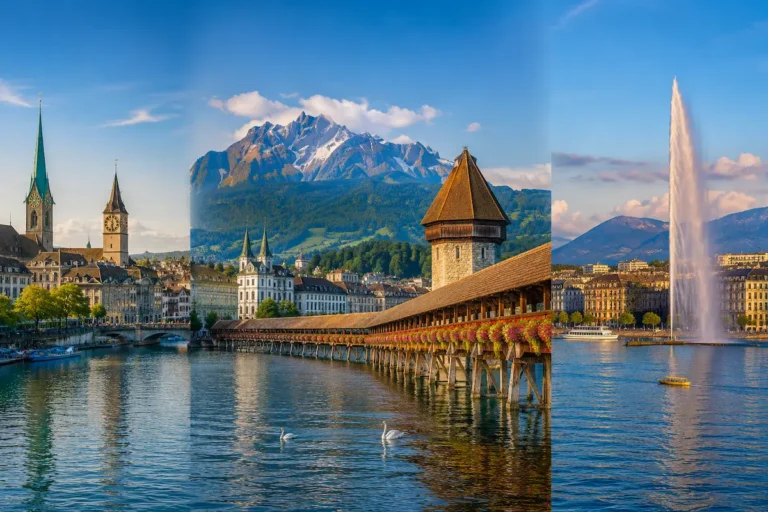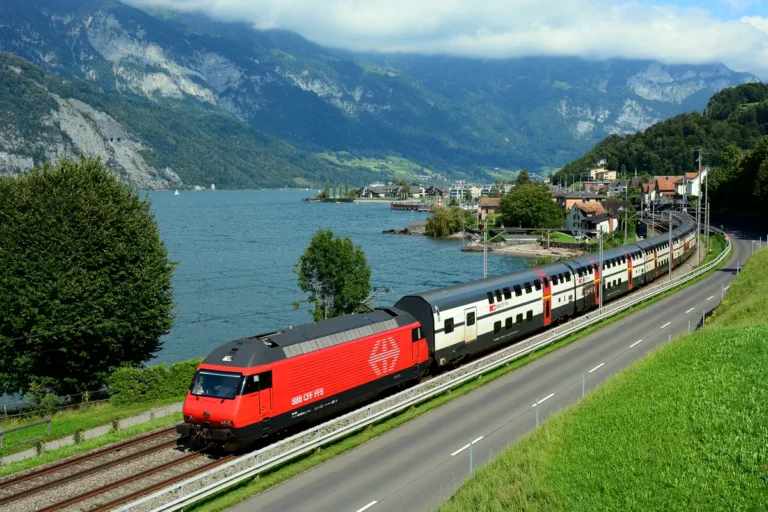
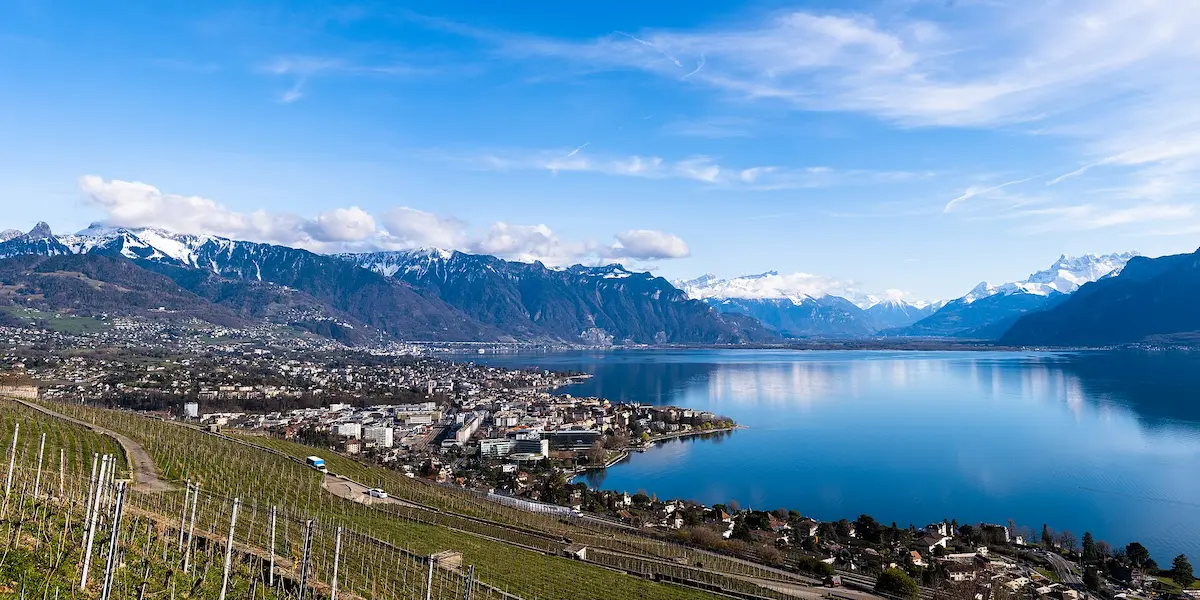
Best Time to Visit Switzerland: What Changes for Cities and Mountains Month by Month
The best time to visit Switzerland depends on what your itinerary is built around. City-heavy trips can work in every season, lake trips become more flexible in warmer months, and mountain-heavy trips need tighter timing because snow, trail conditions, altitude, and seasonal transport can change what is actually practical.
For a mixed first trip, June through September gives the broadest overlap between cities, lakes, hiking, and mountain excursions. But that is not the same as saying those are the only good months. A November Zurich trip and a January ski trip can both work well; they are simply different trips. This broad June-to-September recommendation is an editorial conclusion from Switzerland’s official climate and seasonal-activity patterns, not an official nationwide “best season.”
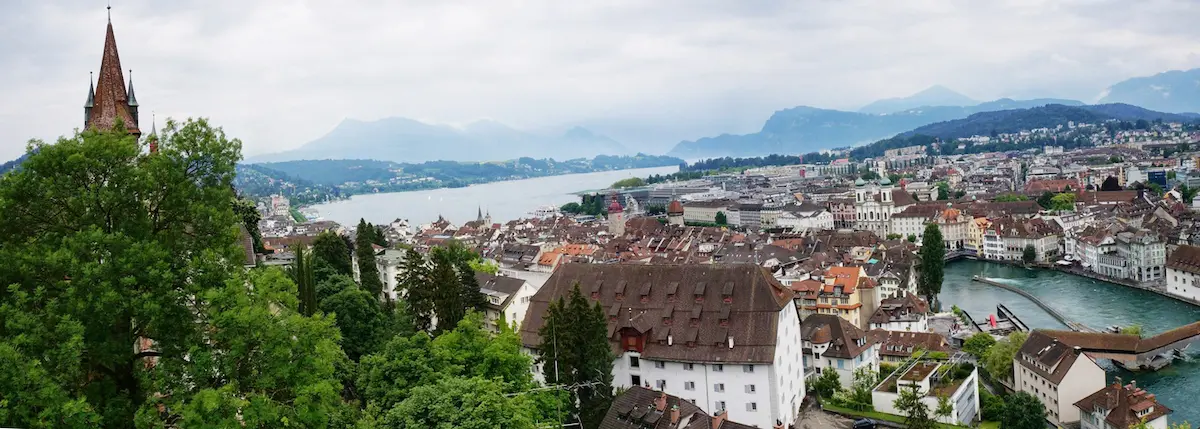
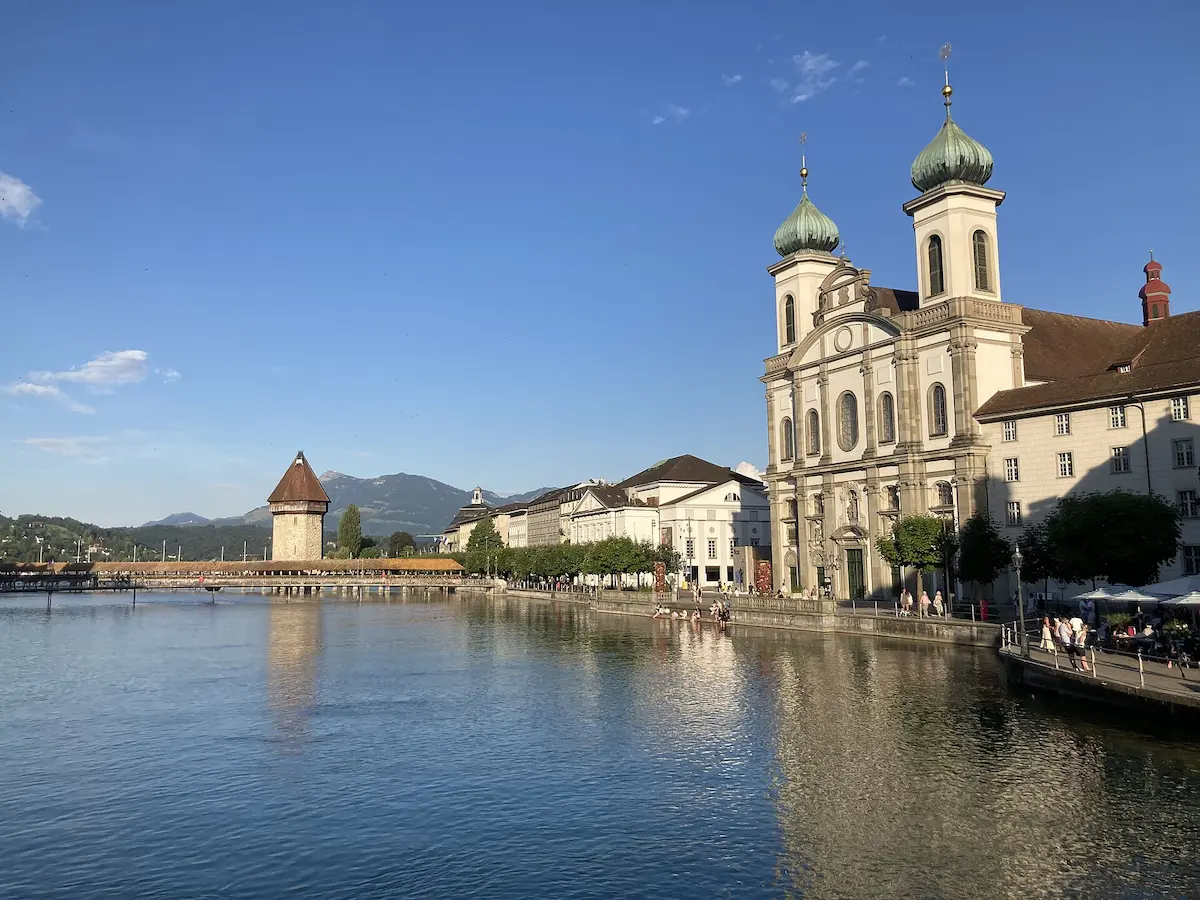
Best Time to Visit Switzerland by Month: Cities, Lakes, Hiking and Mountains
Switzerland’s climate cannot be reduced to one national weather chart. MeteoSwiss uses climatic regions and elevation-sensitive observations because topography produces large differences across a relatively small country. Switzerland Tourism’s seasonal calendar adds a second layer: hiking, swimming, winter sports, and mountain railways do not all reach their useful seasons at the same time.
The table below is a planning matrix, not a promise of weather. “Good” means the month generally fits that type of trip; it does not mean every trail, cable car, boat, or ski area is operating.
| Month | Cities | Lakes | Hiking | Mountain-heavy trips | Main trade-off |
|---|---|---|---|---|---|
| January | Good for museums, old towns, and winter city breaks | Mainly waterfront sightseeing | Winter walking or prepared winter routes | Strong for snow-focused trips | Lowlands may have little or no snow while the Alps are in winter mode |
| February | Similar to January, with cold city conditions | Mainly sightseeing | Winter routes | Strong for snow-focused trips | City weather is a poor proxy for mountain snow |
| March | Cities start moving toward spring | Promenades and sightseeing | Hiking begins in some lower Alpine areas | Mixed: winter can continue at altitude | Spring below and winter above can coexist |
| April | Comfortable for many city itineraries | Lakeside sightseeing | Lower elevations become more useful; higher routes remain condition-dependent | Transitional | City spring does not mean high-Alpine summer access |
| May | Strong city month | Increasingly useful for lakes and boats | Hiking expands | Many mountain railways reopen for summer, but not all | Good overlap with route-specific exceptions |
| June | Warm city travel | Strong lake month | Strong hiking and mountaineering period | Broad summer access | High-altitude weather can still change quickly |
| July | Warm-season city travel | Strong for swimming and lake time | Broad hiking access | Broad mountain access | Heat in the lowlands and vacation demand |
| August | Similar to July | Strong for swimming and lake time | Broad hiking access | Broad mountain access | Warm lowlands do not remove mountain weather risk |
| September | Comfortable for cities | Good for lake sightseeing | Strong autumn hiking | Usually broad early-autumn access | Services begin to diverge as autumn progresses |
| October | Good for city trips | Mainly sightseeing | Lower and mid-elevation hiking can still work | Transitional | Summer transport and higher trails become more route-dependent |
| November | Cities remain practical | Quiet waterfront sightseeing | Regular hiking options narrow at altitude | Non-uniform between summer and winter operations | Maintenance and seasonal gaps matter more |
| December | Christmas-season and winter city trips | Cold-weather sightseeing | Winter walking where prepared | Winter-sports season begins in many mountain areas | Early-winter snow can vary by elevation and destination |
The pattern matters more than any single cell. Switzerland Tourism places the beginning of lower-Alpine hiking in March, says many mountain railways reopen in May, describes June as a strong hiking and mountaineering period, and points to July for lake and river swimming.
Cities have the widest calendar. Lakes split into sightseeing and warm-water use. Hiking moves with elevation. Mountain-heavy trips depend on both conditions and transport operations.
That is why two travelers can ask for the best month for Switzerland and receive different answers without either answer being wrong.
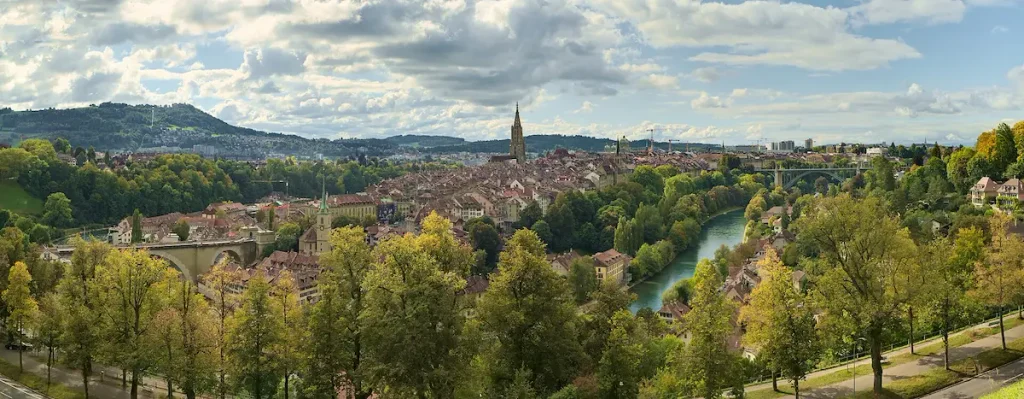
Why the Same Month Feels Different in Swiss Cities and the Alps
MeteoSwiss describes large regional climatic differences across Switzerland. One winter example makes the point especially clearly: from roughly 1,200 to 1,500 meters above sea level, winter precipitation falls predominantly as snow, while completely snow-free winters are not unusual in low-lying areas around greater Geneva and greater Basel.
So a weather forecast or monthly average for Zurich, Geneva, Basel, or Lucerne cannot tell you what a high mountain day will feel like. The city can be wet and snow-free while a mountain destination is operating in full winter conditions. The reverse problem appears in spring: a mild afternoon beside a lake says little about whether a high trail has cleared.
Altitude Changes Temperature, Snow and the Length of the Season
The zero-degree line is a useful way to understand the vertical split. MeteoSwiss reports that, in the free atmosphere over Payerne, its average position during 1991–2020 was generally between about 1,000 and 2,000 meters in winter, rising to about 3,000 meters in June and nearly 4,000 meters in July.
This does not mean every trail below that line is snow-free, safe, or open. Aspect, recent snowfall, shade, wind, terrain, and local maintenance still matter. What the number does show is why “Switzerland in May” is not one season. Valleys and cities can look well into spring while high ground remains much closer to winter.
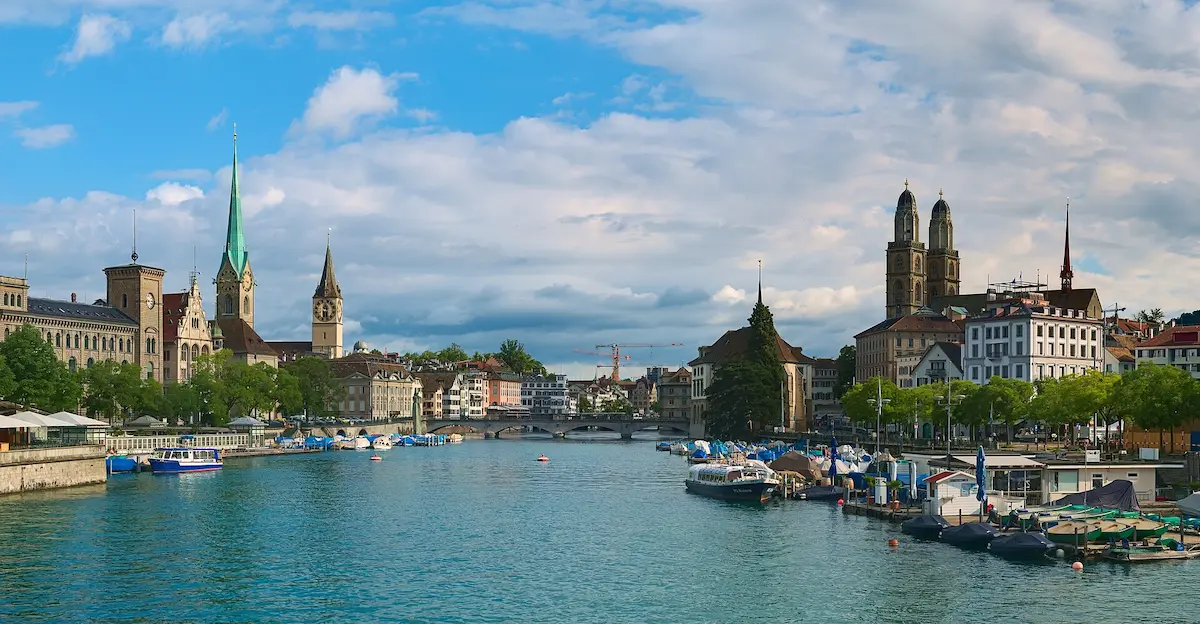
The long-term climate is changing too. MeteoSwiss reports that the near-surface zero-degree line has risen by several hundred meters over the long term and that natural snow cover has declined, especially at lower elevations. Historical rules of thumb can therefore become less reliable. Use climate normals to choose a broad travel window, then current local conditions for the actual mountain day.
Region Matters Too: North, South and Inner-Alpine Valleys
Elevation is not the only variable. Topography also changes precipitation patterns. MeteoSwiss notes, for example, that Ticino stands out for very heavy precipitation while inner-Alpine valleys such as the Rhone and Inn valleys can receive substantially lower extremes.
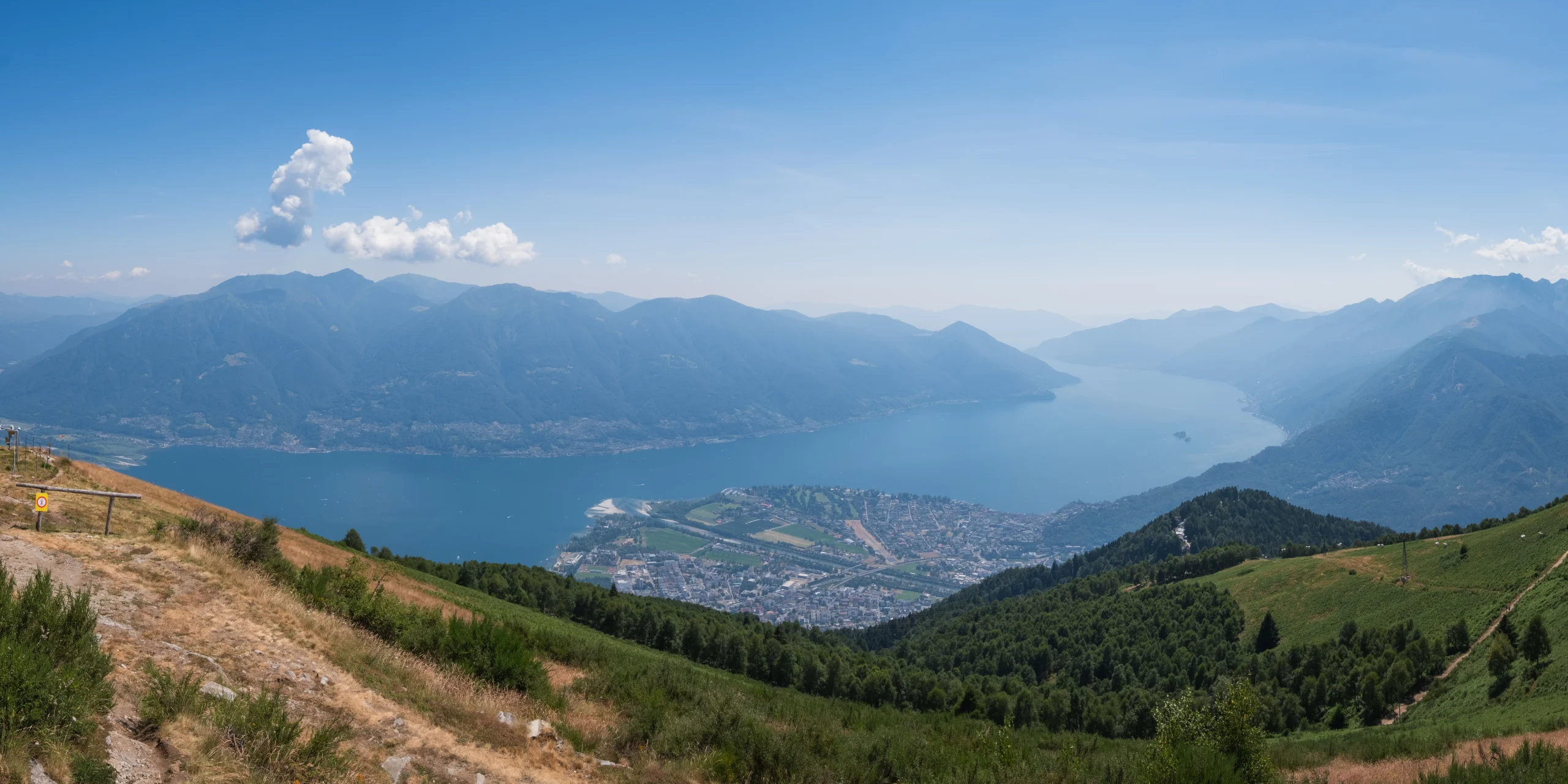
For trip planning, the practical consequence is simple: national monthly averages become less useful as your itinerary becomes more mountain-specific. A city-first trip can tolerate broad seasonal guidance. A route built around Valais hikes, Engadine trails, or a particular summit railway needs local verification.
Best Months for Swiss City Trips
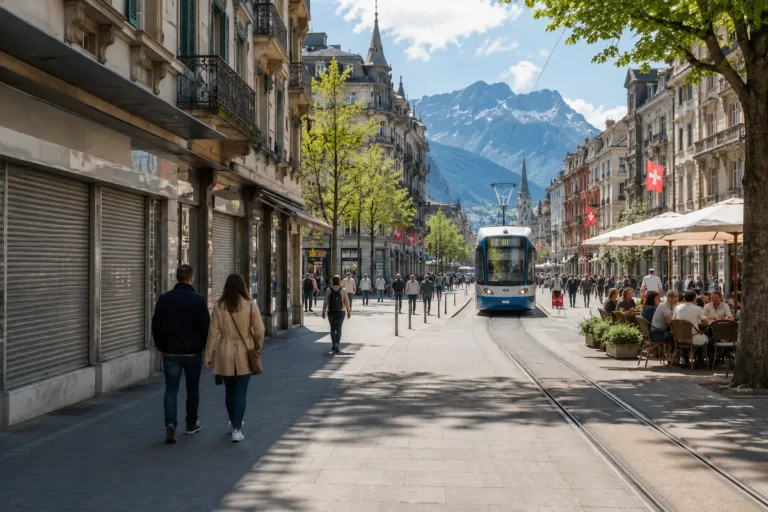
If your priority is Zurich, Geneva, Basel, Bern, or Lucerne as a city rather than as a launch point for mountain days, the calendar is broad. Museums, historic districts, urban transport, restaurants, and city attractions can still anchor a trip in November or February.
April through June and September through October are especially flexible for city-heavy itineraries if you prefer moderate conditions without making summer swimming or winter snow the purpose of the trip. July and August work too, with warmer weather and more lake use. Winter remains a legitimate city season if you accept shorter days and colder outdoor time.
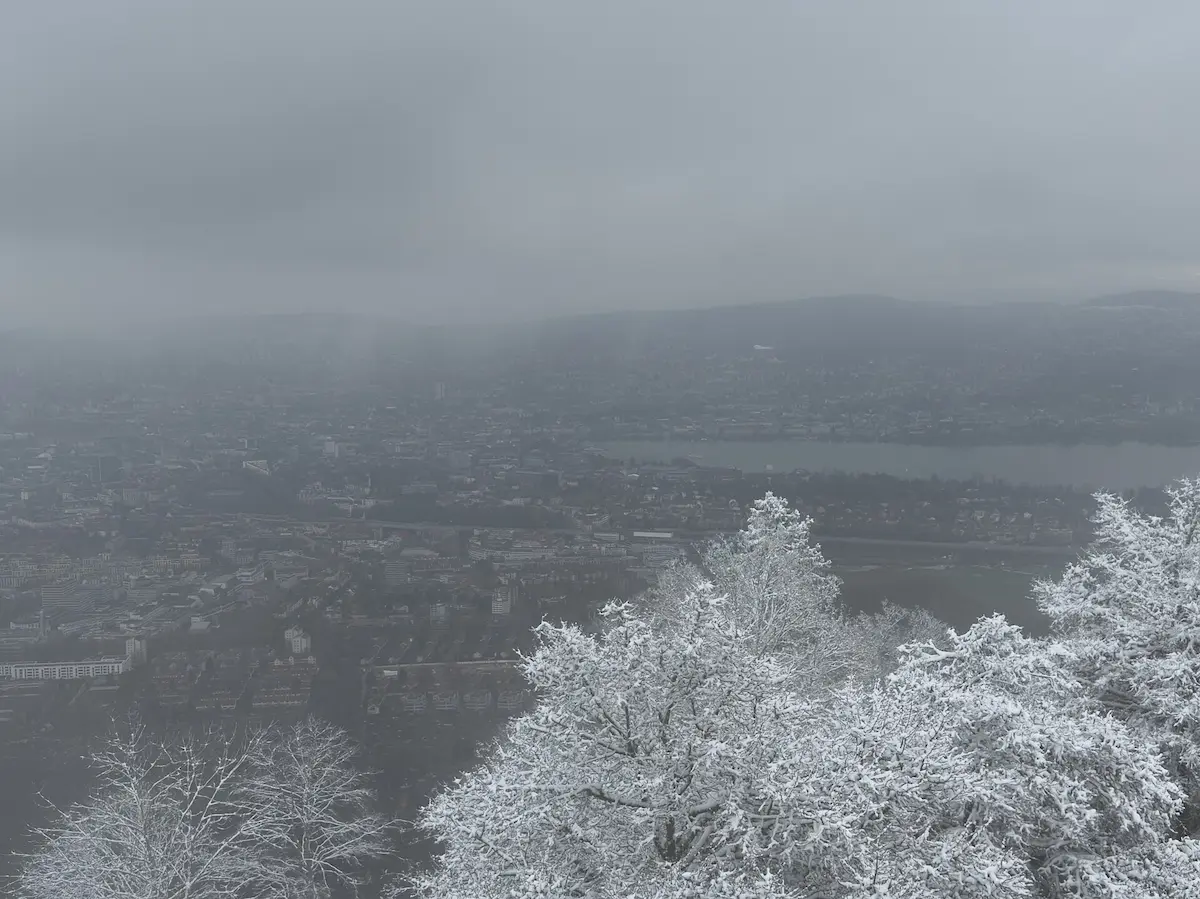
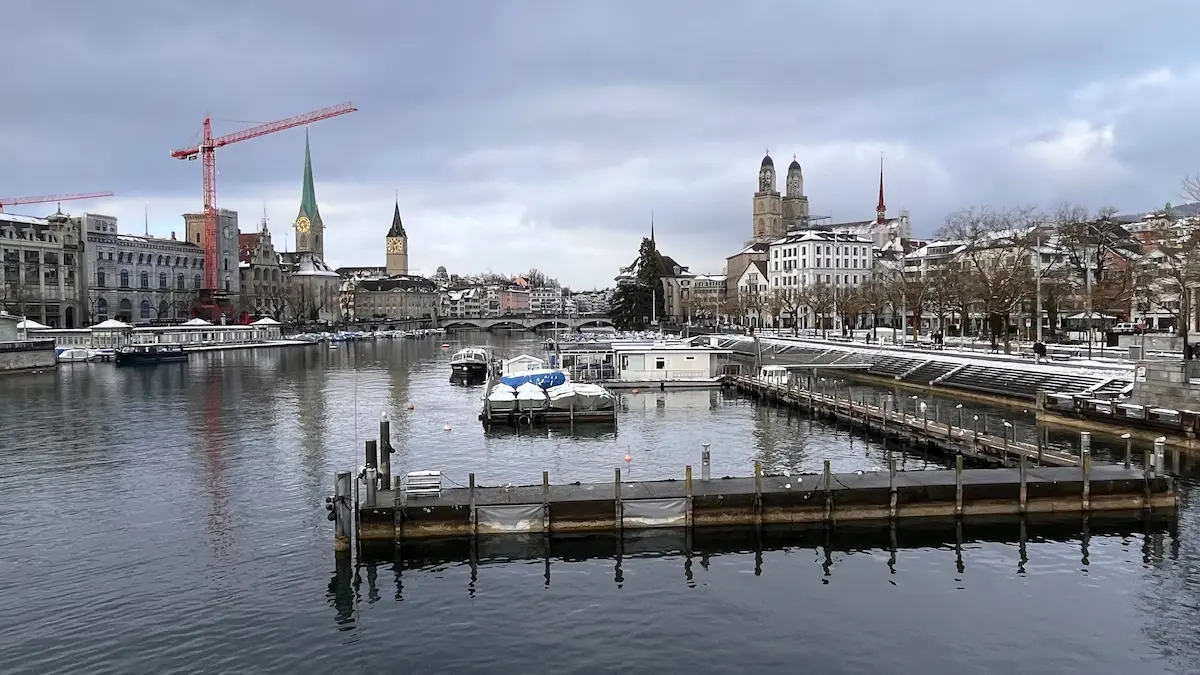
This is where travelers often over-apply mountain advice. “Avoid November” can make sense for an itinerary dependent on seasonal Alpine infrastructure, but it is too broad for a museum-and-city itinerary. Likewise, “July is best” may add little if your days are mainly urban and you do not care about swimming or high hiking.
If you are still deciding which city should carry the trip, the TripFinch comparison of Zurich, Lucerne, and Geneva is more useful than treating all three as interchangeable bases. That guide distinguishes their different roles: Lucerne offers the easiest compact city-lake-mountain combination, Zurich offers greater urban depth and transport positioning, and Geneva gives the trip a stronger western-Switzerland focus.
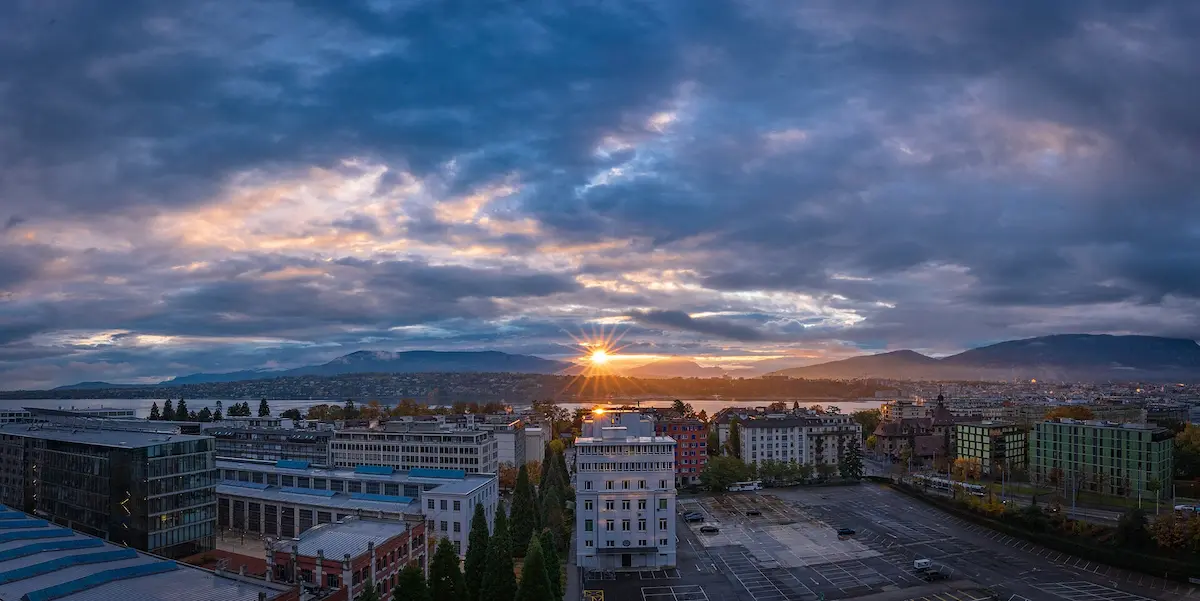
The deciding question is not “Is this a good month for Swiss cities?” It is what do you plan to do after you leave the city? A Zurich itinerary with museums and neighborhoods has a much wider seasonal window than a Zurich itinerary built around two high-altitude excursions.
Best Months for Lakes: Warm-Weather Trips vs Lakeside Sightseeing
A “lake trip” can mean two different things. One traveler wants promenades, boats, waterfront towns, and views. Another wants swimming, long outdoor evenings, and warm-weather time by the water. Those intentions produce different calendars.
Switzerland Tourism specifically points to July as a time when warm temperatures invite swimming in lakes and rivers. June and August also fit the warm-weather version of a lake trip well as an editorial planning range around that midsummer peak. September can still be very useful for sightseeing around the lakes, but swimming conditions become less dependable as the season advances.
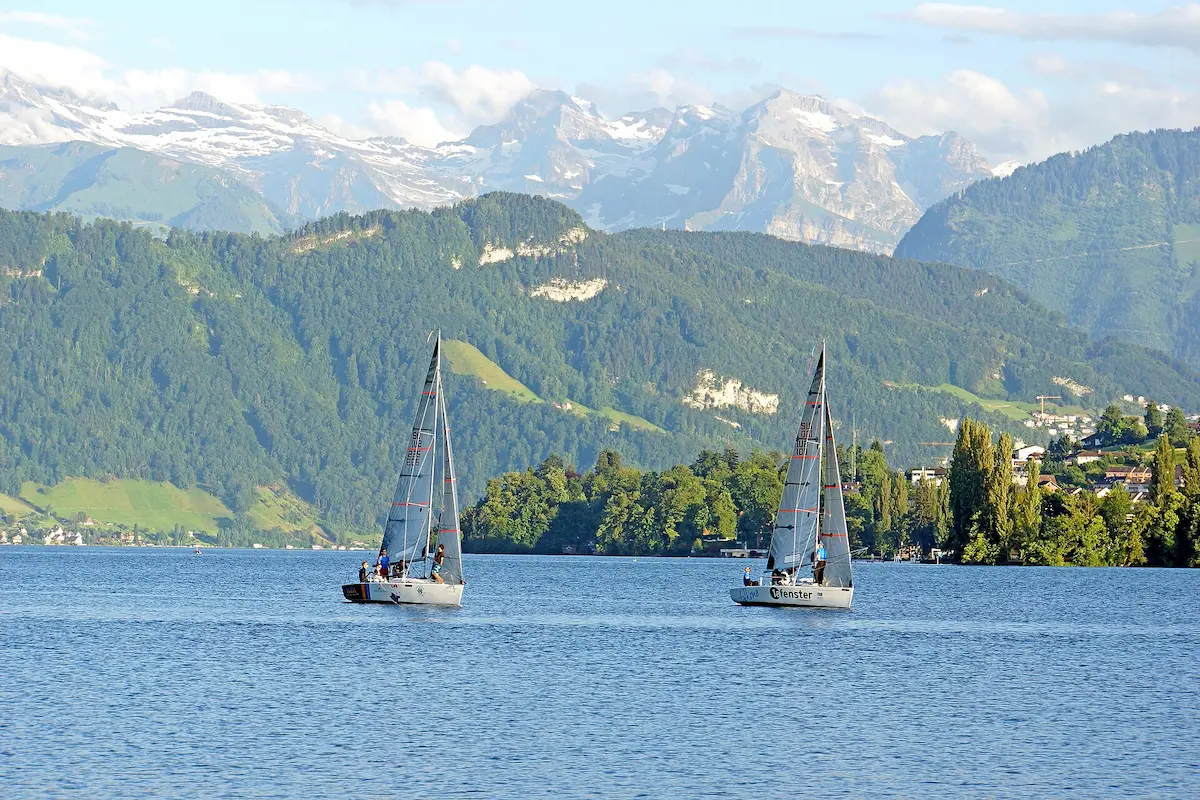
For sightseeing, the window is much wider. Lake Geneva, Lake Zurich, Lake Lucerne, and other major lakes do not stop being part of the trip in April, October, or winter. What changes is the activity mix: swimming falls away, daylight shortens, and boat schedules may become less extensive than in peak-season periods.
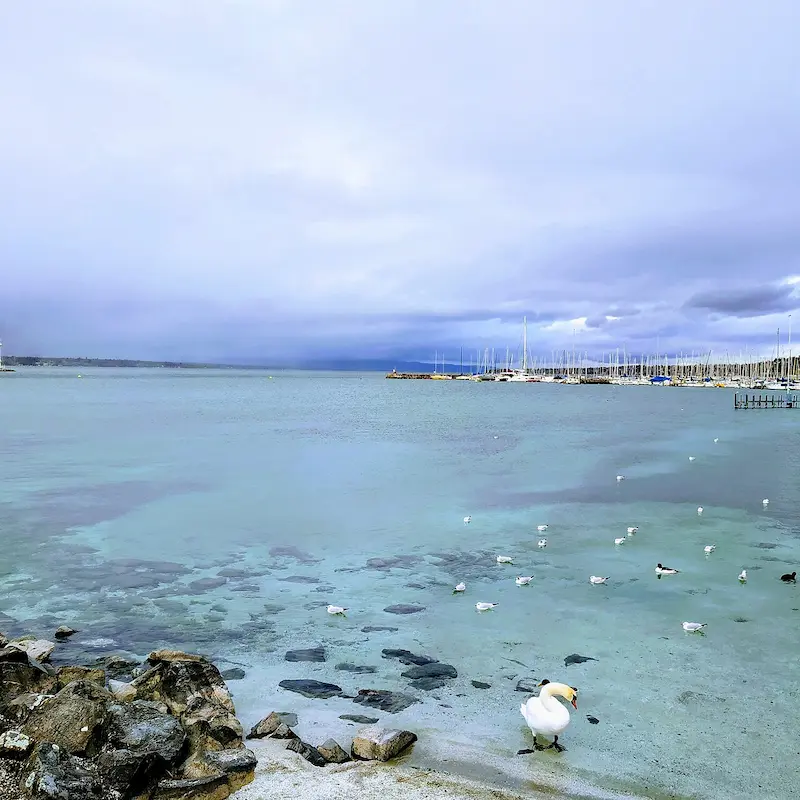
That distinction prevents a common planning error. “I want to see Lake Lucerne” is not the same seasonal request as “I want a summer day of boats, swimming, and a mountain connection around Lake Lucerne.”
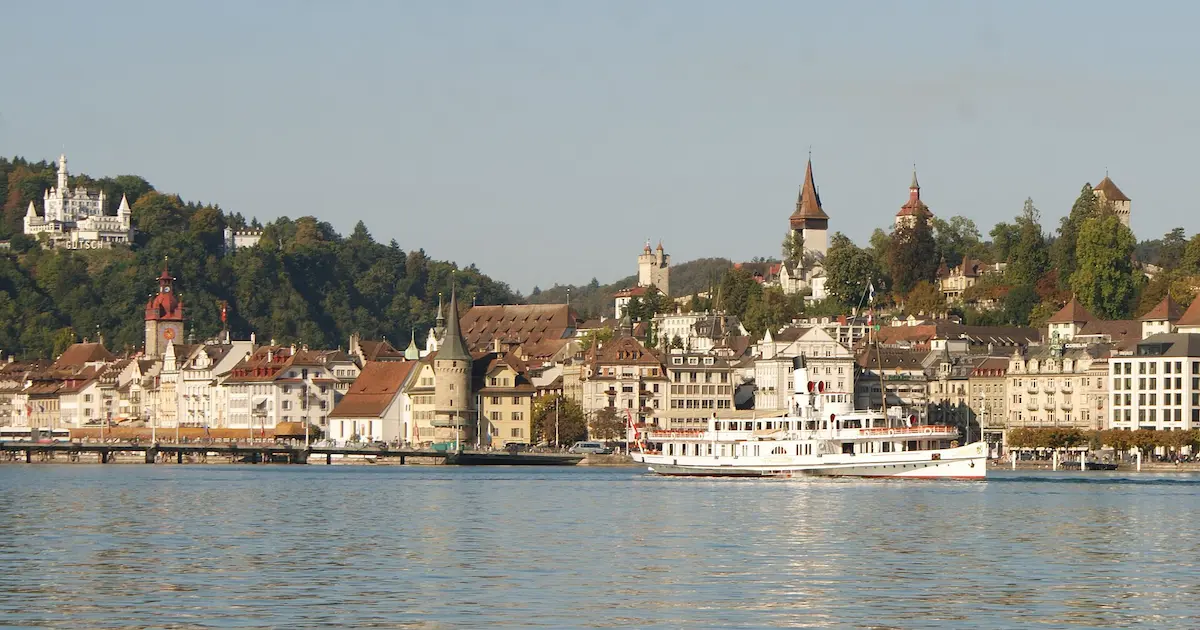
If a boat is an essential transport link rather than a scenic extra, verify its current timetable before locking the day. The more your lake plan depends on a specific departure or connection, the less useful a generic monthly recommendation becomes.
Best Months for Hiking: Lower Trails and High-Alpine Routes Are Different Trips
There is no single Swiss hiking season. Switzerland Tourism notes that March marks the start of hiking in lower Alpine regions, while May brings the hiking and outdoor season into wider use and June is a major period for hiking and mountaineering.
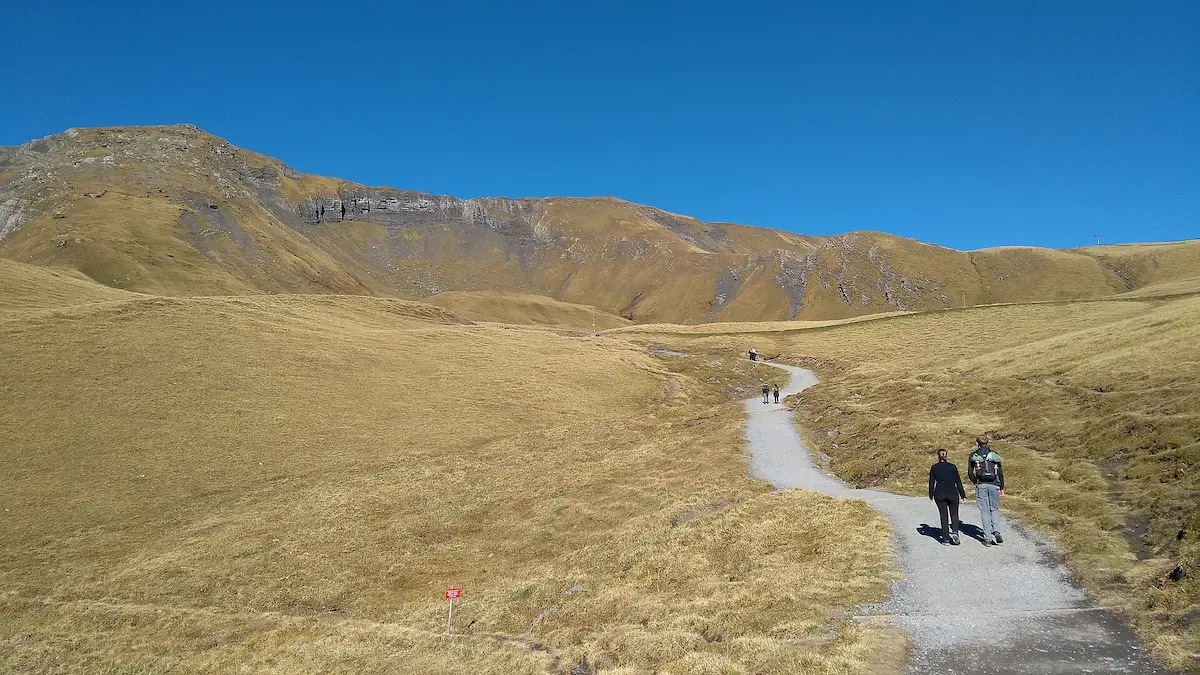
That progression is more useful than a fixed date. Hiking season effectively moves uphill as snow retreats and conditions stabilize. In autumn, the logic reverses: high routes become less dependable before many lower walks do.
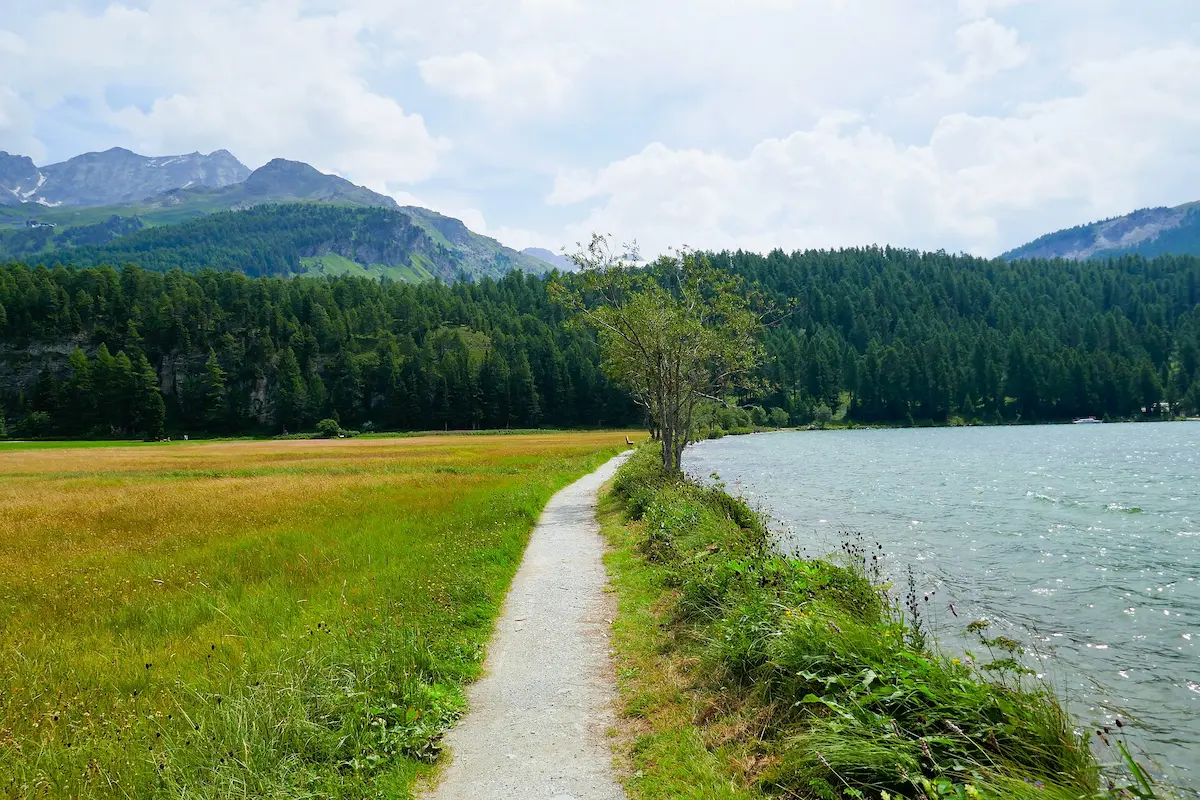
For a trip where hiking is one optional afternoon, May or October can still be attractive because you can choose a lower route if high terrain does not cooperate. For a trip built around specific high-Alpine hikes, the choice becomes narrower. June through September is the more defensible broad planning window, but that is an editorial planning range rather than a guarantee that every high trail will be ready in June or remain suitable through September.
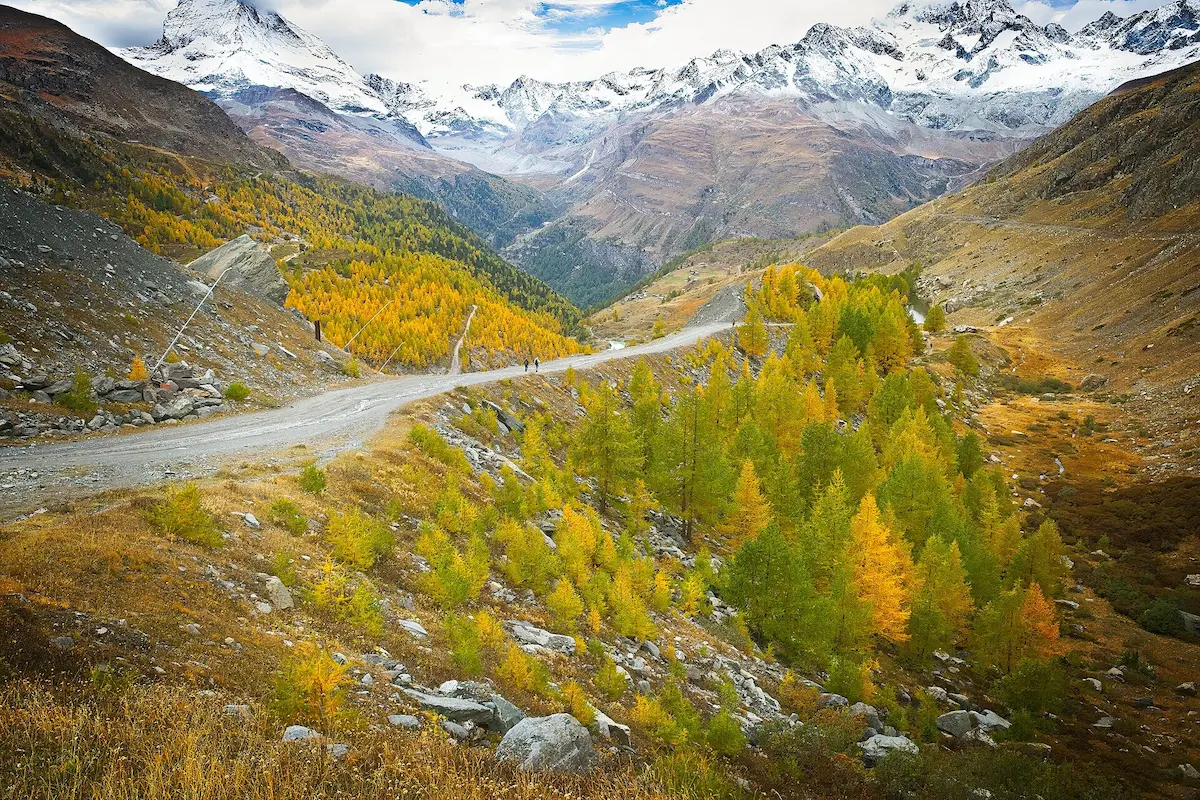
A climate normal should never be treated as a trail-status report. It tells you what tends to happen across years. Your hiking decision should eventually move from “Which month?” to “What are the current conditions on this exact route?”
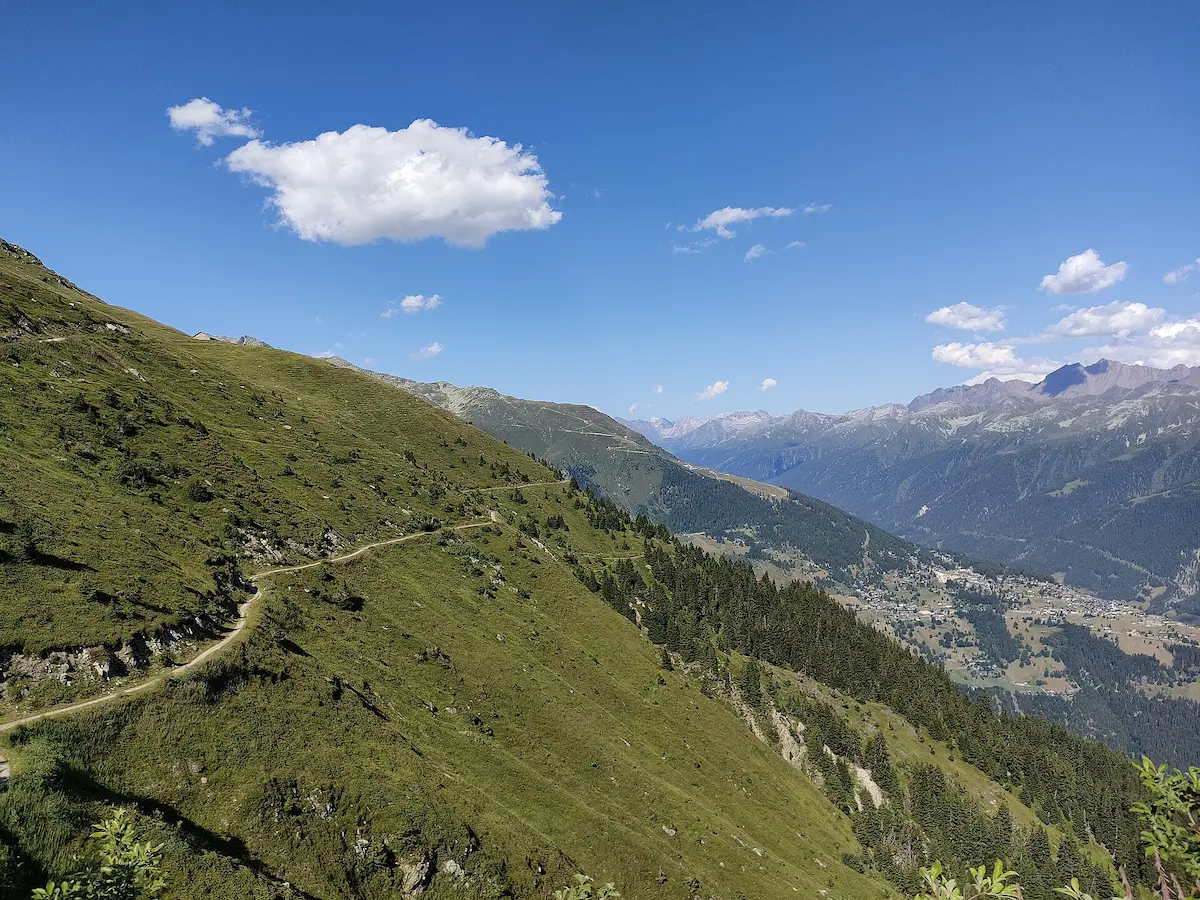
That is also why a generic city forecast is insufficient. A warm day in Interlaken or Lucerne does not confirm the status of a trail hundreds or thousands of meters higher.
When Mountain Transport Changes the Best Month
Weather is only half the mountain question. The other half is whether the transport you need is operating on the day you plan to use it.
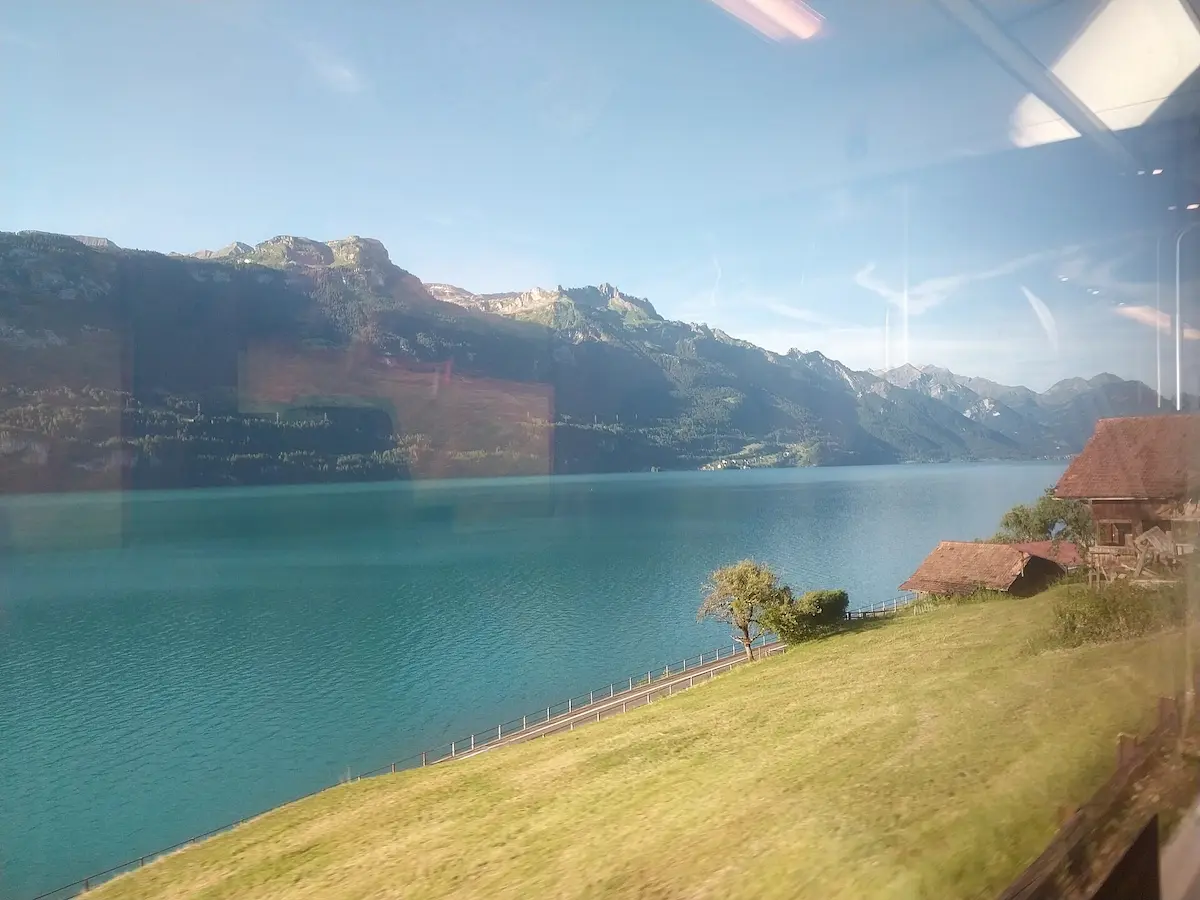
Switzerland Tourism notes that many mountain railways reopen for the summer season in May. “Many” is the important word. Swiss mountain transport is not one synchronized national network with a universal summer opening date. Individual railways, cable cars, funiculars, and connecting boats can follow their own seasonal or maintenance schedules.
Operating periods, engineering works, and timetables can change. SBB says Swiss timetable data is regularly updated as operating information changes, while real-time information is not supplied in the same way by every shipping company, mountain railway, and smaller operator. Before a transport-dependent mountain day, recheck the SBB timetable and the relevant mountain operator.
Shoulder Season Is Not One Nationwide Operating Season
“Shoulder season” is useful for describing demand, but it can be misleading if you interpret it as an operating status.
May is a good example. Hiking expands and many mountain railways reopen, but that does not mean every summit route is running in its full summer configuration from May 1. October and November work the other way: some services continue, others reduce, and some seasonal links enter maintenance or close before winter operations begin.
The practical rule is to stop asking, “Is Switzerland open in October?” and ask, “Is the mountain transport required for my October itinerary operating on my date?”
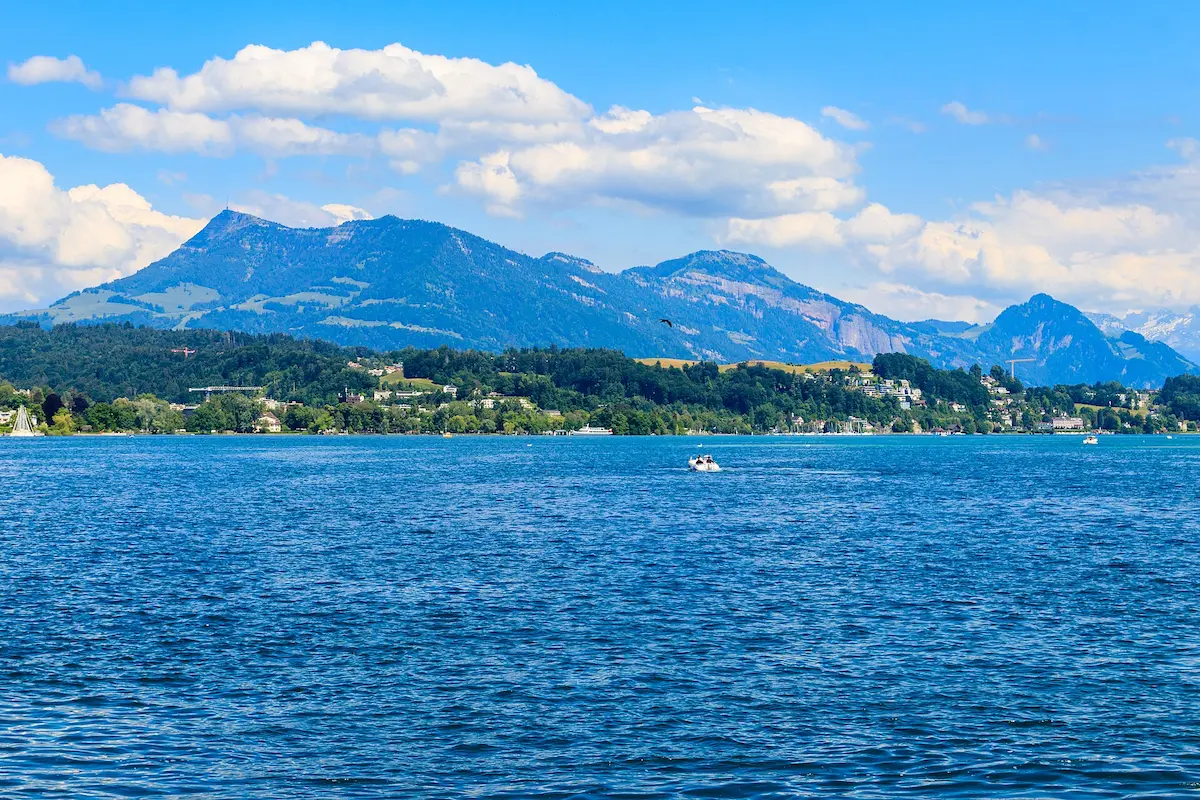
A Lucerne Example: Pilatus and Rigi Do Not Follow the Same Calendar
Lucerne shows the problem clearly because two major mountain choices near the same city can have different seasonal logic. The detailed guide to the best time to visit Lucerne treats mountain timing separately from city timing for exactly that reason. Its 2026 schedule examples show Pilatus components changing across different operating windows, while Rigi’s individual lines follow their own schedules.
Rigi’s principal cogwheel approaches give it a different access pattern from the complete Pilatus circuit, where boat, cogwheel railway, cableway, and gondola components need to line up. The Pilatus vs Rigi comparison explains how those transport sequences differ without assuming the two mountains share one calendar.
This does not make one mountain better. It changes the planning sequence. If your trip depends on a specific Pilatus routing, confirm those components first and place flexible Lucerne city time around them. If your plan is more adaptable, you have more freedom to choose the month for weather, demand, or overall trip composition rather than for a single operating window.
Winter, Shoulder Season or Summer: What Actually Changes
Season labels become useful once you tie them to a travel purpose.
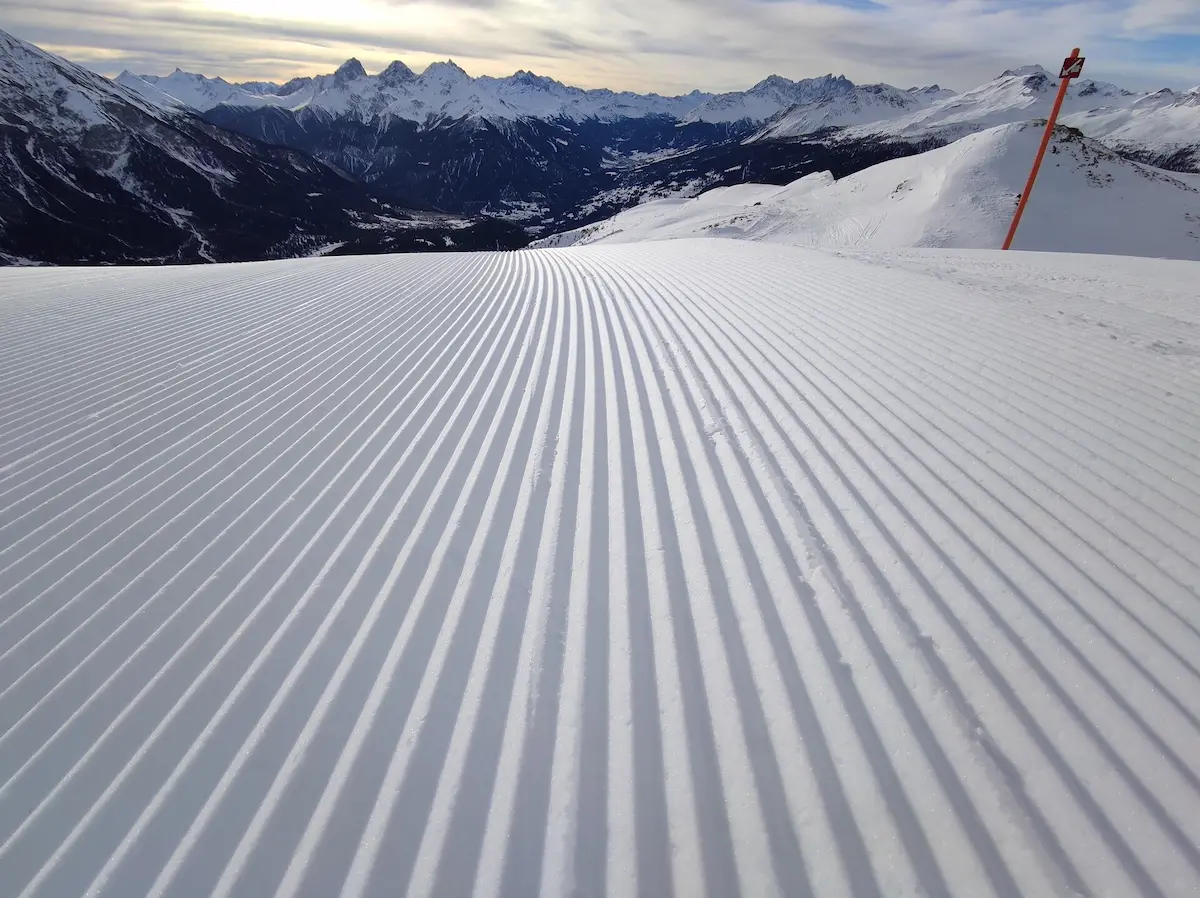
Winter is the clearest choice when snow sports are the main reason for traveling. January and February are strong broad winter targets because winter-sport activity is firmly part of Switzerland Tourism’s seasonal calendar, while lowland snow should never be assumed from the national season alone. December can work for winter trips too, but early-winter conditions vary by elevation and destination.
Shoulder season is strongest for travelers whose itinerary is flexible. Cities, lower-elevation walks, museums, lakeside sightseeing, and some mountain excursions can combine well in spring and fall. The trade-off is that you must check the exact high-altitude activity and transport system rather than assuming full summer or full winter operation.
Summer and early fall provide the widest overlap. June through September is the easiest broad planning window for a first trip that mixes city days, lakes, hiking, and mountain transport. July adds the clearest swimming use. September can offer a strong city-and-hiking mix while moving away from midsummer conditions.
The key difference between seasons is not whether Switzerland is “good.” It is how many different trip components are likely to work at the same time.
Choose Your Month From the Trip You Are Actually Planning
Instead of starting with a national average, classify the itinerary first.
City-First Itinerary
If most nights and most priorities are urban, you can consider nearly the whole year. Choose spring or fall for a moderate city-focused trip, summer if lake use and long outdoor days matter, or winter if seasonal atmosphere and indoor attractions are enough.
Then inspect the one or two mountain excursions separately. Those are likely to be the least flexible days.
Lake-First Itinerary
If you mainly want waterfront towns, lake views, and sightseeing, late spring through early fall gives you the easiest mix without requiring peak summer. If swimming is central, narrow the decision toward summer.
If boats are part of a specific connection rather than just recreation, check the seasonal timetable for the exact lake and route.
Hiking or Mountain-Heavy Itinerary
Let the precise route choose the month. June through September offers the broadest overlap for high-country travel, but elevation still matters. May can work well when your hikes are lower or you can change plans; October can do the same before conditions turn, but neither month should be treated as guaranteed high-Alpine access.
For a trip with three or four non-negotiable mountain days, verify each route and operator before booking around a generic “best month.”
Winter-Sports or Snow-First Itinerary
If snow is the point, a lowland city forecast should not drive the decision. January and February are the clearest broad winter months, while December and March require more attention to the elevation and operating season of the destination you have chosen.
A snow-free day in Geneva or Basel says very little about conditions at a high ski area. That vertical difference is one of the most useful facts to keep in mind when planning Switzerland in winter.
Pick the Month Around the Least Flexible Part of Your Trip
For most mixed first trips, the best time to visit Switzerland is broadly June through September because cities, lakes, hiking, and mountain transport have the greatest chance of overlapping. If your trip is almost entirely urban, you do not need to limit yourself to that window. If snow sports are the priority, winter reverses the recommendation.
May and October can be excellent for flexible travelers, but they demand more route-by-route checking. November is far easier to justify for cities than for a trip that depends on several summer mountain systems.
The most reliable rule is simple: let the least flexible experience choose the month, then fit the flexible city and lake days around it. Switzerland does not have one travel season. Your itinerary does.