Switzerland Tourist Tax: Rates, Exemptions and City Rules
Switzerland does not have one nationwide tourist tax with one nationwide price. Overnight guests can face a city tax, visitor’s tax, or other tourism-related charge whose amount and rules depend on the canton, municipality, destination, accommodation, and sometimes the season or the guest’s age.
That is the key to understanding the Switzerland tourist tax: budget by destination, not by country. The Swiss federal tax guide says city and/or visitor taxes exist in most cantons, while Zurich and Thurgau have no such statutory cantonal taxes. In several other cantons, municipalities have authority to levy them locally. Swiss Federal Department of Finance
Last verified: August 2026. Tourist taxes, exemptions, and guest benefits can change, so confirm the rule for your exact destination and accommodation before a nonrefundable booking.
There Is No Single Switzerland Tourist Tax
Switzerland’s tax system is strongly decentralized. That means a charge that appears on a hotel bill in Geneva does not have to follow the same rate, exemption rules, or even legal structure as one in Basel, Zermatt, Lucerne, Interlaken, or Zurich.
The federal government describes city and visitor taxes as primarily cantonal or communal matters. Most cantons have one or both, but the legal structure varies: some rules operate at canton level, while in places such as Graubünden or Vaud local authorities can have an important role. Swiss Federal Department of Finance
For travelers, the practical consequence is simple. A statement such as “the tourist tax in Switzerland is CHF X per night” is too broad to be reliable. Even two stays with similar room prices can produce different extra charges because they are located in different municipalities or fall under different accommodation rules.
Visitor Tax, City Tax, and Other Tourism Charges Are Not Always the Same Thing
The wording on a booking confirmation can make these charges look interchangeable, but they are not always legally or financially the same.
Geneva, for example, distinguishes the taxe de séjour, collected from eligible overnight guests, from a separate tourism-promotion tax applied to businesses that benefit from tourism. The overnight tax helps finance visitor reception, tourism infrastructure, and part of the public-transport benefit available to guests. Canton of Geneva
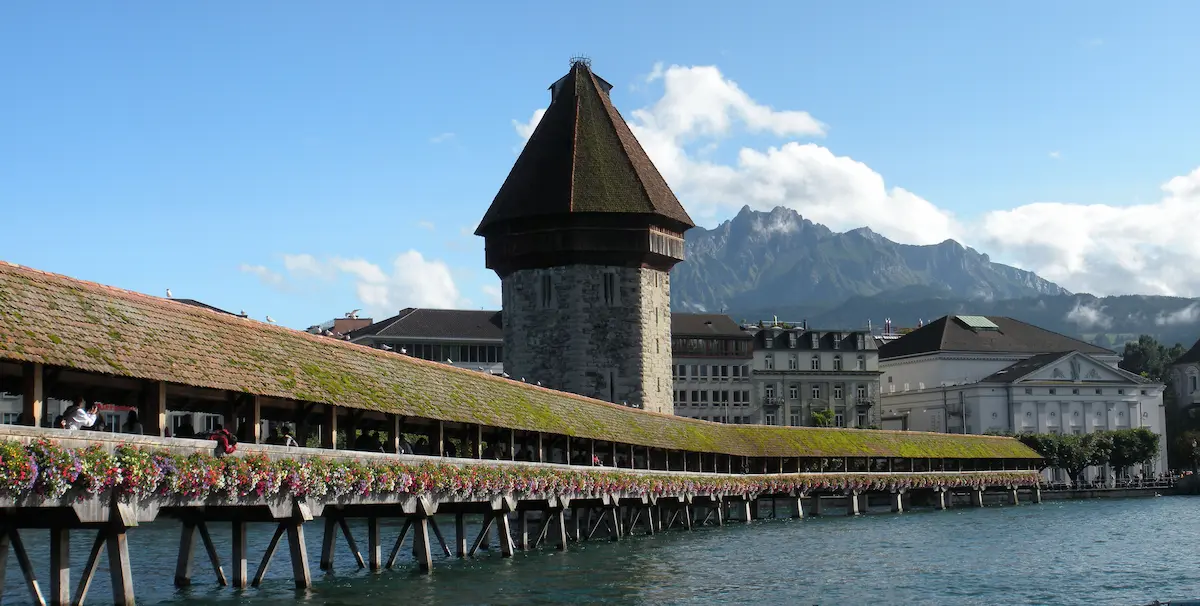
Lucerne provides another useful example. Current tourism guidance for Canton Lucerne separates the Kurtaxe from local and cantonal Beherbergungsabgaben, or accommodation levies. The funds have different purposes: the visitor tax supports facilities, events, and services mainly benefiting guests, while accommodation levies support local, regional, or cantonal tourism promotion. Luzern Tourism
So when a reservation displays several lines labeled city tax, visitor tax, accommodation levy, or similar terms, do not assume they are duplicate names for the same charge.
Why Zurich Is the Exception That Explains the Rule
Zurich is particularly useful because it shows why the label matters.
The federal Swiss tax guide says Canton Zurich has no statutory city or visitor tax of the type levied in most cantons. However, the City of Zurich confirms that hotels and Airbnb accommodation collect a CHF 3.50 City Tax per guest and overnight stay.
There is no contradiction. “Tourist tax” is useful traveler shorthand, but it can cover charges created through different legal or institutional mechanisms. What matters when budgeting is the rule that applies to the property you are actually booking.
What Overnight Guests Pay: Six Swiss Examples
The comparison below shows why a national average is less useful than destination-specific information.
| Destination | Guest-facing rule | What can change the amount | Important exception or qualification | Related guest benefit |
|---|---|---|---|---|
| Geneva | CHF 4.25 per person per night; CHF 2.50 at campsites | Accommodation type for campsites | The official Geneva page states that passing or temporary guests without tax domicile in the canton pay the charge, including adults and minors | Eligible accommodation guests receive the Geneva Transport Card |
| Basel-Stadt | CHF 4.20 per person per night | Age and length of stay | Children under 12 and canton residents are exempt; after 30 days in the same accommodation, the tax no longer applies from day 31 | BaselCard for overnight guests |
| Zermatt | CHF 4.00 per overnight stay for all accommodation types | Age | Children under 9 are exempt; children between 9 and 16 pay half the standard rate | Revenue is earmarked for visitor-oriented tourism services and infrastructure |
| Interlaken | Municipal regulation allows CHF 2.50–3.50 in summer and CHF 2.20–3.50 in winter for hotels, apartments and private rooms, and CHF 1.80–2.80 for camping and group accommodation. | Season and accommodation type | The current regulation permits rates within higher ceilings, so confirm the applicable charge before travel | Local tourism services funded through the visitor-tax system |
| Lucerne | Visitor tax plus local/cantonal accommodation levies may apply | Municipality, tourism organization, accommodation and applicable exemption rules | There is no useful single canton-wide guest figure to apply blindly to every property | Eligible overnight guests who pay visitor tax can receive the Lucerne Visitor Card |
| Zurich | CHF 3.50 City Tax per guest and overnight stay at participating hotels and Airbnb accommodation | Accommodation arrangement | Canton Zurich has no statutory visitor tax of the federal type; the Zurich City Tax uses a different structure | Supports Zurich Tourism rather than functioning as a nationwide Swiss tax |
The table is a comparison tool, not a substitute for checking the exact property you plan to book.
Fixed Rates Still Have Different Rules
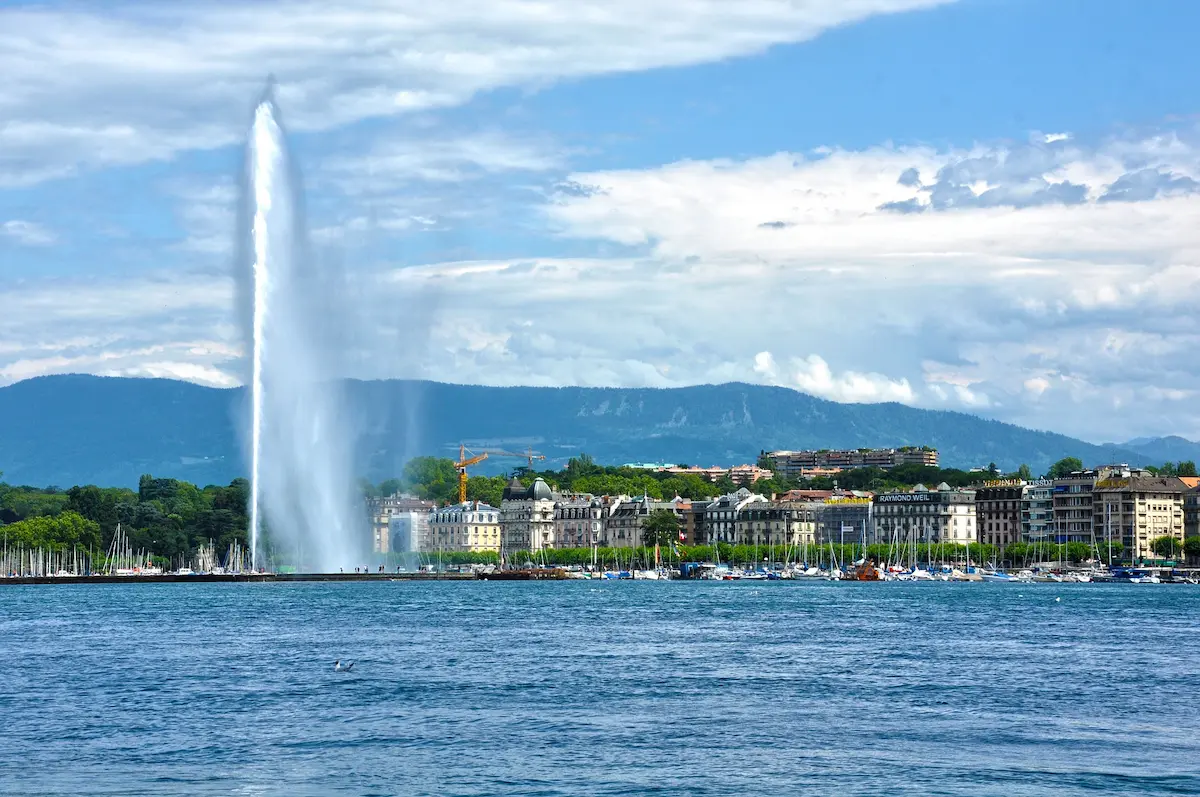
Geneva is relatively straightforward on price. The cantonal tax administration currently sets the stay tax at CHF 4.25 per person per night regardless of accommodation category, except campsites at CHF 2.50. Its official guidance specifically includes both adults and minors among guests subject to the tax when the other conditions apply. Canton of Geneva
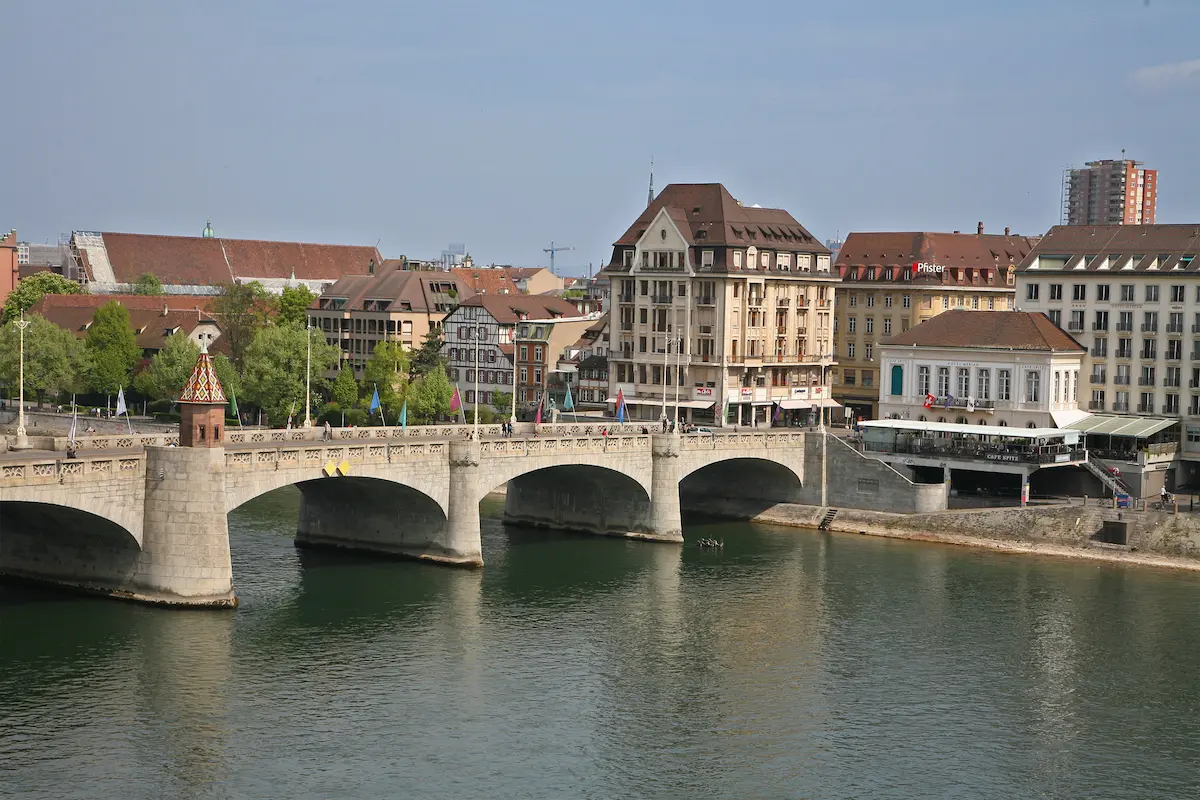
Basel-Stadt also uses a clear nightly amount—CHF 4.20—but the exemptions change the final bill. Residents of the canton and children under 12 are exempt, and a guest staying at the same accommodation for more than 30 days stops paying from the 31st day. Basel Tourism
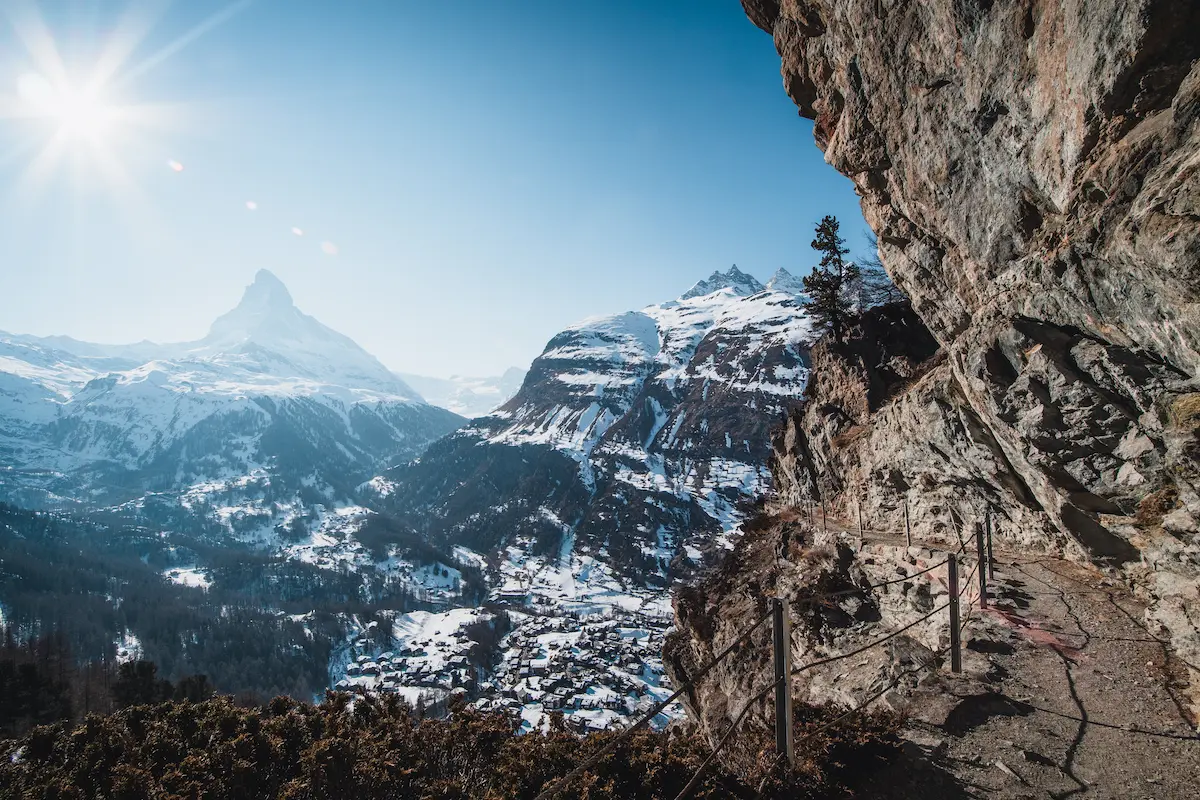
Zermatt sets CHF 4.00 per overnight stay across accommodation types, but age matters. Its municipal regulation exempts children under 9 and charges half the standard amount for children between 9 and 16. The same regulation specifies how the revenue is divided among tourism services, infrastructure, and events. Municipality of Zermatt
The lesson is that knowing the headline nightly rate is only the first step. You still need to know who counts as a taxable guest.
Season and Accommodation Type Can Matter: Interlaken
Interlaken demonstrates a different model. Its current tourist-tax regulation, in force since July 2025, establishes ranges rather than one universal figure. Hotels, guesthouses, holiday apartments, private apartments, and private rooms can fall between CHF 2.50 and CHF 3.50 in summer and between CHF 2.20 and CHF 3.50 in winter. Camping and group-type accommodation have a separate range of CHF 1.80 to CHF 2.80. Summer is defined as April 1 through October 31; winter runs from November 1 through March 31. Municipality of Interlaken
Because the municipal council can set rates within the permitted seasonal ranges, confirm the exact current charge with the municipality or accommodation before traveling instead of relying on an old nationwide list.
Lucerne Shows Why the Bill Can Have More Than One Tourism Charge
Canton Lucerne’s tourism guidance explicitly says overnight stays can be subject to both Kurtaxen and accommodation levies. It also recommends that accommodation providers show these charges separately on the guest’s bill rather than hiding them inside the advertised room price. Luzern Tourism
That distinction matters when comparing hotels. A booking page showing more than one tourism-related line is not necessarily charging the same tax twice. The components can finance different levels of tourism activity and follow different local rules.
If Lucerne is part of your trip, our guide to where to stay in Lucerne also explains how the Visitor Card and its Zone 10 public-transport benefit affect the practical value of different accommodation areas.
The Five Things That Can Change Your Tourist-Tax Bill
Instead of memorizing rates city by city, check five variables.
Destination and municipality. This is the starting point because tourist-tax authority is decentralized. A Zurich booking does not inherit Geneva’s rules just because both properties are in Switzerland.
Accommodation type. Geneva treats campsites differently from other accommodation, while Interlaken places hotels and holiday apartments in a different rate category from camping and group accommodation.
Guest age and exemptions. Basel exempts children under 12; Zermatt exempts younger children and applies a half rate to an older child bracket; Geneva’s official rule includes minors among taxable temporary guests.
Season or length of stay. Interlaken defines separate summer and winter structures. Basel-Stadt has a long-stay rule that ends the city-tax liability from the 31st day in the same accommodation.
How the charge is collected. The amount may appear in the room total, as a separate line during checkout, or as an amount handled by the accommodation or booking platform. This presentation issue can make two legally similar charges look very different to the traveler.
Those five checks are more useful than a single “average Swiss tourist tax.”
What You May Get in Return for the Tax
A tourist tax is still a cost, but in some Swiss destinations it is tied to benefits that can reduce another part of the travel budget.
In Geneva, approved accommodation guests receive the free Geneva Transport Card. It provides unlimited public transport during the stay within the Unireso network covered by the card, including buses, trains, and the Mouettes shuttle boats. The canton says part of the stay-tax revenue finances the transport benefit. Geneva Tourism
That can affect where you choose to sleep. The TripFinch guide to where to stay in Geneva looks at Old Town, Pâquis, Eaux-Vives, and Carouge partly through the practical effect of that transport access.
Basel-Stadt links its city tax to the BaselCard. Guests receive public-transport access in specified Basel zones along with cultural and leisure offers. Basel Tourism
Lucerne’s Visitor Card similarly gives eligible overnight guests free buses and trains within Zone 10, plus selected discounts. It cannot simply be bought as a standalone card; Luzern Tourism says it is available to overnight guests who pay the visitor’s tax. Boats are not included in the Zone 10 public-transport benefit. Luzern Tourism
Do not treat these benefits as a refund of the tax. The useful comparison is whether a guest card replaces transport or activity spending you would otherwise have paid.
How to Calculate and Check the Tax Before You Book
For a simple per-person, per-night charge, the basic calculation is:
nightly tourist-tax rate × taxable guests × taxable nights
But do not start the calculation until you have confirmed what each of those three inputs means locally.
First, identify the municipality of the accommodation—not just the nearest famous city. Then find the official tourism, municipal, cantonal, or accommodation rule for that location.
Next, check whether the amount varies by property type. A hotel, campsite, holiday apartment, hostel, or group accommodation can fall into different categories.
Then check each guest. Do not assume children are always free: Geneva, Basel, and Zermatt demonstrate three different approaches to age.
After that, check the stay length and dates. Seasonal rates or long-stay exemptions can change the total.
Finally, compare your calculation with the booking confirmation. Look for wording such as city tax, visitor tax, tourist tax, Kurtaxe, taxe de séjour, or Beherbergungsabgabe. If the amount is unclear, ask the property whether the displayed total includes all locally required guest charges.
This method is slower than using a generic Switzerland-wide number, but it prevents the more expensive mistake: budgeting with a number that never applied to your accommodation in the first place.

Do Not Confuse Tourist Tax With VAT or an Accommodation Levy
Tourist tax is also different from Swiss VAT.
The Federal Tax Administration lists a special VAT rate of 3.8% for accommodation services, including qualifying hotel and holiday-apartment accommodation. VAT is part of Switzerland’s federal tax system; a local visitor or city tax follows a different legal and calculation structure. Federal Tax Administration
A Lucerne bill can add another layer because its tourism guidance separately identifies visitor taxes and local or cantonal accommodation levies. That is why the safest approach is to read each charge by name rather than grouping every extra amount under “hotel tax.”
Why the Booking Site May Not Show the Final Charge the Same Way
Collection method is one reason travelers encounter different checkout experiences.
Basel provides a documented example. For Airbnb bookings in Basel-Stadt, Basel Tourism says Airbnb has directly handled collection and forwarding of the city tax to the cantonal authority since September 2018. Basel Tourism
That does not mean every Swiss platform handles every destination in the same way. In other cases, the accommodation provider may be responsible for collecting the applicable tax, or a booking interface may show it separately from the room price.
The practical rule is to inspect both the price breakdown and the property’s local tax information before paying. If a tax is described as “payable at the property,” keep it in your trip budget even though it is missing from the amount charged online.
Budget by Destination, Not by Country
There is no single Switzerland tourist tax figure that works for every overnight stay.
Geneva, Basel, and Zermatt show how even apparently simple per-person nightly rates come with different age and accommodation rules. Interlaken adds seasonality and rate bands. Lucerne shows that several tourism-related levies can sit beside one another. Zurich shows that travelers can encounter a City Tax even in a canton without the statutory visitor-tax structure described for most of Switzerland.
Before booking, check the exact municipality, property type, taxable guests, dates, exemptions, and whether the charge is already included. That gives you a useful number—rather than a Swiss average that may have nothing to do with your stay.