Where to Stay in Geneva: Old Town, Pâquis, Eaux-Vives or Carouge for a First Visit
Decision rule: choose Old Town for immediate access to the historic core; Pâquis for the Cornavin-to-lake corridor; Eaux-Vives for the eastern waterfront; Carouge when staying in Carouge is itself part of the trip.
That is the practical answer to where to stay in Geneva because eligible accommodation guests receive a Geneva Transport Card for zone 10 public transport. The card reduces the fare penalty of a less central base, but it does not remove the extra ride, transfer, or walk that comes with the address.
Free Transport Does Not Make Every Area Equally Convenient
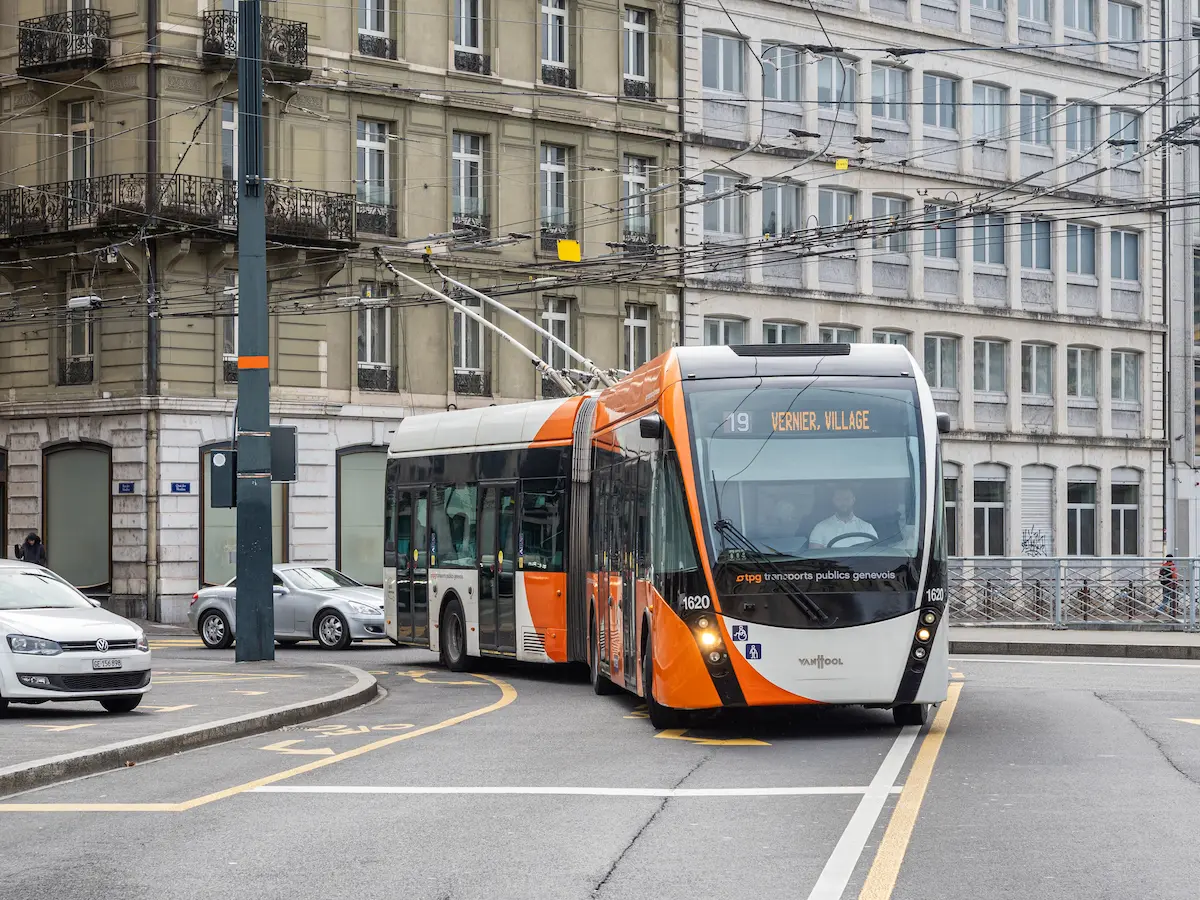
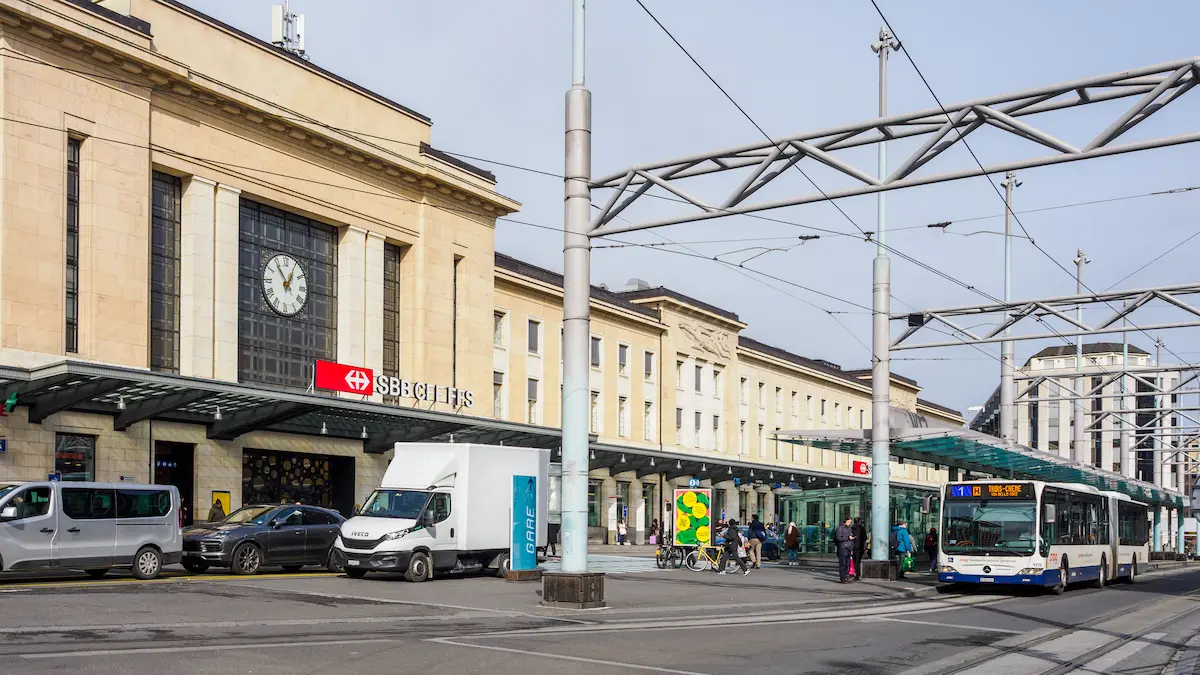
TPG articulated trolleybus in Geneva. Photo: JoachimKohler-HB / Wikimedia Commons, CC BY-SA 4.0.The Geneva Transport Card is the rule that can change how you judge a hotel location. Geneva Tourism says eligible guests receive a digital card for the duration of their stay. The network covered includes buses, trams, trains, and shuttle boats in Unireso zone 10, defined by Geneva Tourism as the canton of Geneva excluding Céligny. TPG confirms the same zone-10 coverage for visitors staying in Geneva accommodation.
The card can also affect arrival planning. Geneva Tourism says the digital link may be sent up to three days before arrival, depending on the accommodation, and that the card can then be used to reach the accommodation from Geneva Airport. The accommodation must be registered with Geneva Tourism & Congress for the benefit to apply.
Last verified: August 19, 2026. Transport coverage and accommodation eligibility can change, so confirm the current terms with Geneva Tourism and your accommodation before travel.
This is why “farther from Cornavin” and “more expensive to get around” are not the same statement for an eligible guest. A farther base can still cost no extra fare inside the covered network. It can, however, add another ride, another transfer, or another walk every time you leave and return.
That distinction matters more than a generic “central” label. When comparing addresses, separate two questions: Will this location add transport cost? Will it add repeated travel friction? The Geneva Transport Card can reduce the first. It cannot erase the second.
Compare Old Town, Pâquis, Eaux-Vives and Carouge by Location
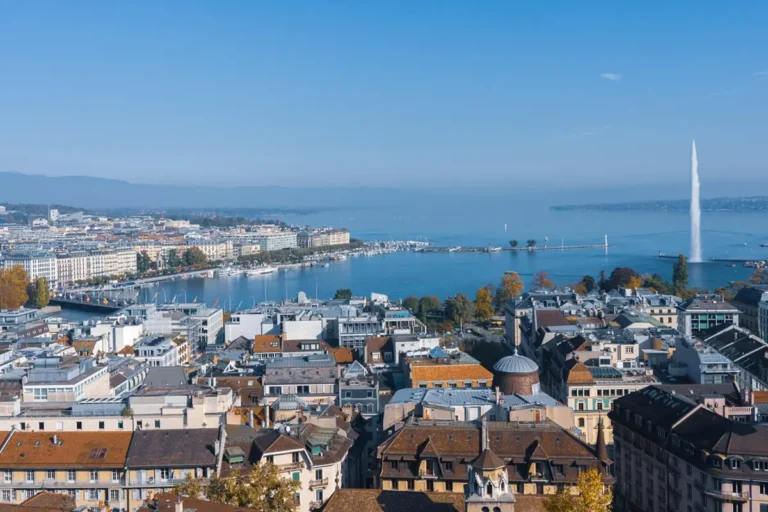
The four areas in this comparison are not substitutes with different aesthetics. They sit in different relationships to Cornavin, the historic core, and the lake. Geneva Tourism describes Pâquis as extending from the station to the lakefront, Eaux-Vives as a lakeside district, and Carouge as a distinct part of Geneva’s urban fabric. Old Town is the historic core centered on places such as Place du Bourg-de-Four and St. Peter’s Cathedral.
| Area | Strongest reason to choose it | Relationship to Cornavin | Relationship to the lake | Main tradeoff |
|---|---|---|---|---|
| Old Town | Historic-center sightseeing is your repeated anchor | Cornavin is not the defining anchor of the district | Central sights and the lake can share the same day, but the historic core is the reason to stay here | Less useful if station access is your dominant daily need |
| Pâquis | You want the station-to-lake corridor to organize the stay | Cornavin directly shapes the district’s geography | The district reaches the lakefront and includes Bains des Pâquis | The station advantage matters less if you rarely return to Cornavin |
| Eaux-Vives | Your routine is built around the lake, parks, and that side of the waterfront | It is not a station-first choice | Geneva Tourism places it on Lake Geneva and highlights Parc La Grange and Eaux-Vives beach | You may accept more transit for station-focused days |
| Carouge | You specifically want Carouge to be part of daily life | Cornavin is not the reason to choose it | The lake is not its defining geographic feature | Reaching central Geneva becomes a more deliberate part of the routine |
This table is a decision tool, not a ranking. The right area changes as soon as your repeated anchor changes.
Old Town: When the Historic Core Is Your Daily Anchor
Old Town is the cleanest choice when the historic center is not just one stop on your itinerary but the place you expect to return to repeatedly. Geneva Tourism identifies Place du Bourg-de-Four, St. Peter’s Cathedral, Maison Tavel, and the Old Arsenal among the district’s defining historic places.
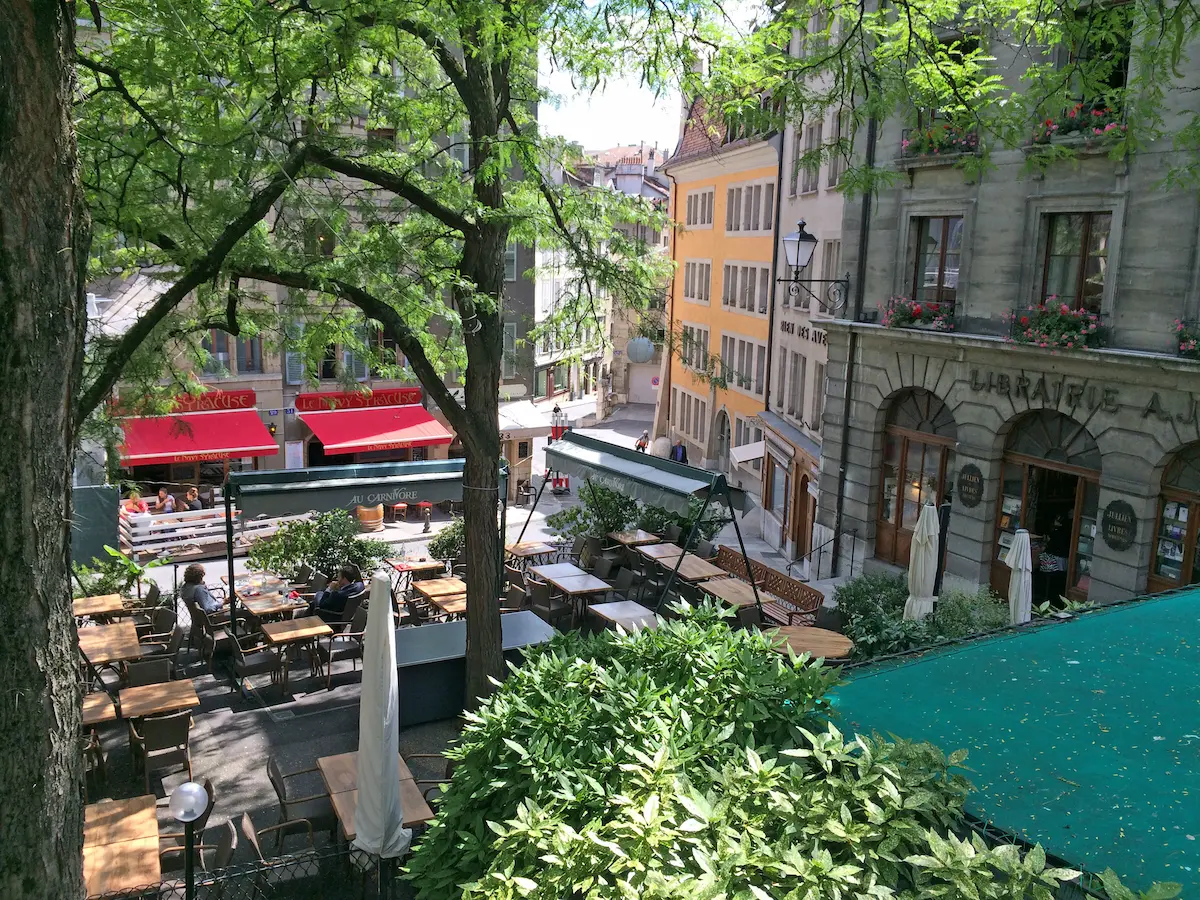
The practical advantage is simple: if your mornings and evenings already belong to the historic core, you remove the need to commute back into that core just to start or finish the day. That does not make Old Town universally more convenient. It means the location matches one particular pattern.
Do not choose it merely because “old town” sounds like the automatic first-visit answer. If your trip is built around train departures, frequent Cornavin connections, or a station-to-lake routine, another area may remove more repeated movement.
Pâquis: When Cornavin Matters Every Day
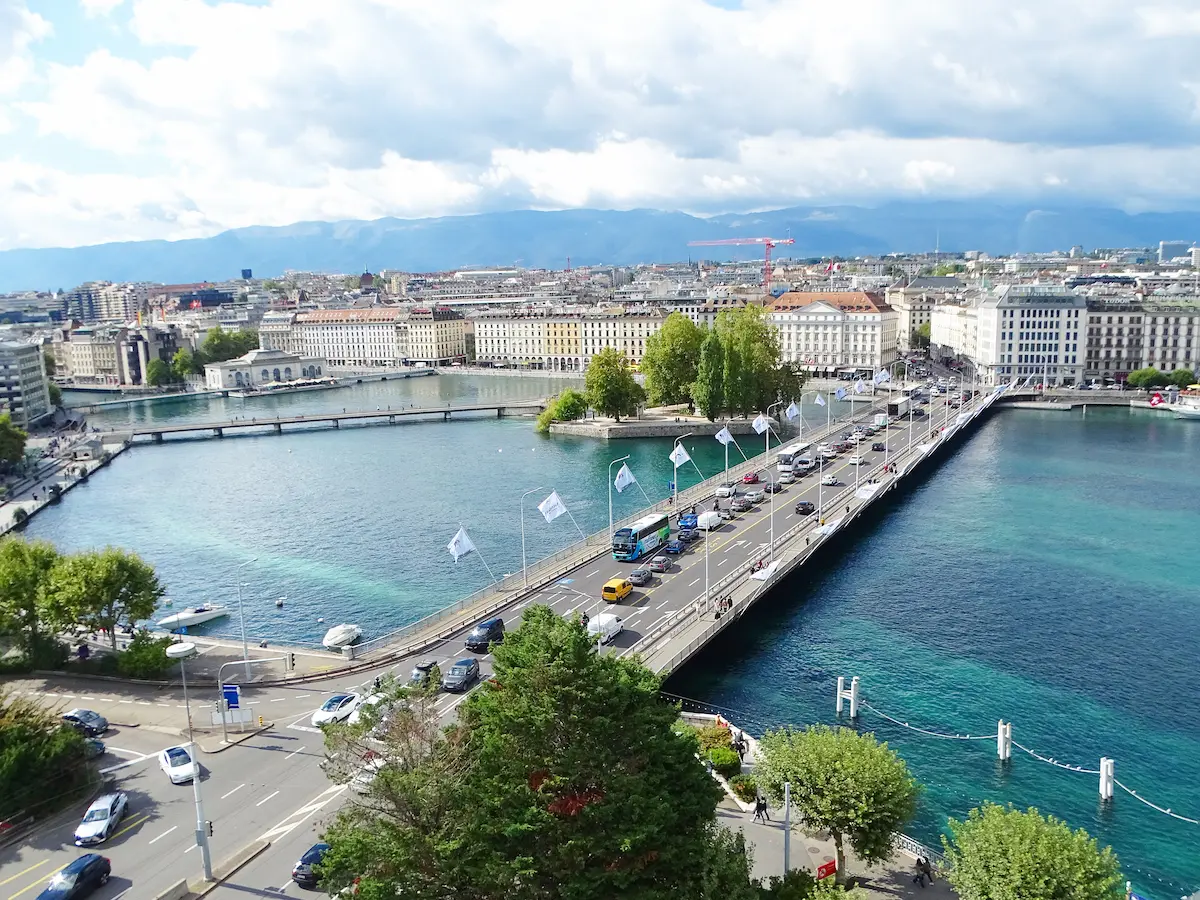
Pâquis has the clearest station relationship of the four areas because Geneva Tourism describes it as stretching from the station to the lakefront. That single geographic fact makes it useful for travelers whose trip repeatedly touches Cornavin rather than only using the station on arrival and departure.
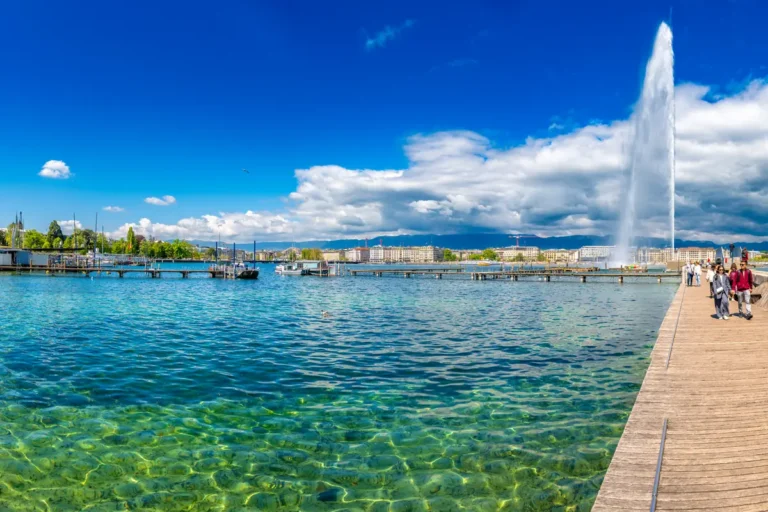
The same district also reaches the waterfront and includes Bains des Pâquis. So Pâquis can combine a station-oriented routine with regular lake access without making those two priorities separate location decisions.
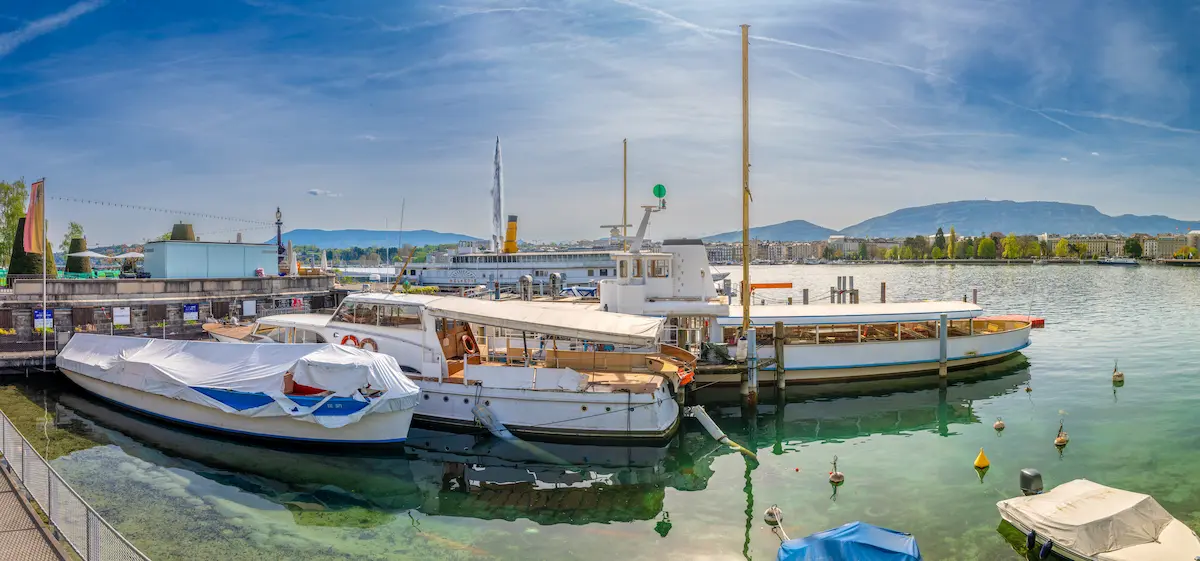
Its advantage shrinks when Cornavin is only a one-time arrival point and a one-time departure point. In that case, ask whether you are giving too much weight to two travel moments and too little weight to where you will actually spend the middle of the trip.
Eaux-Vives: When the Lake Is Part of the Routine
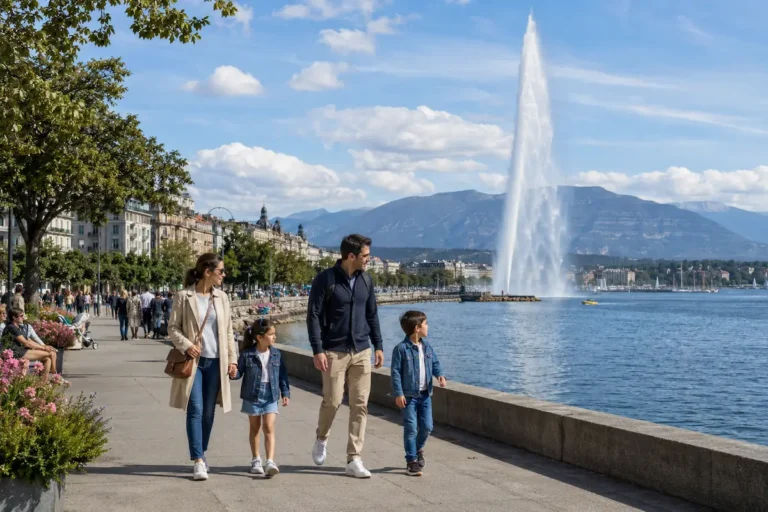
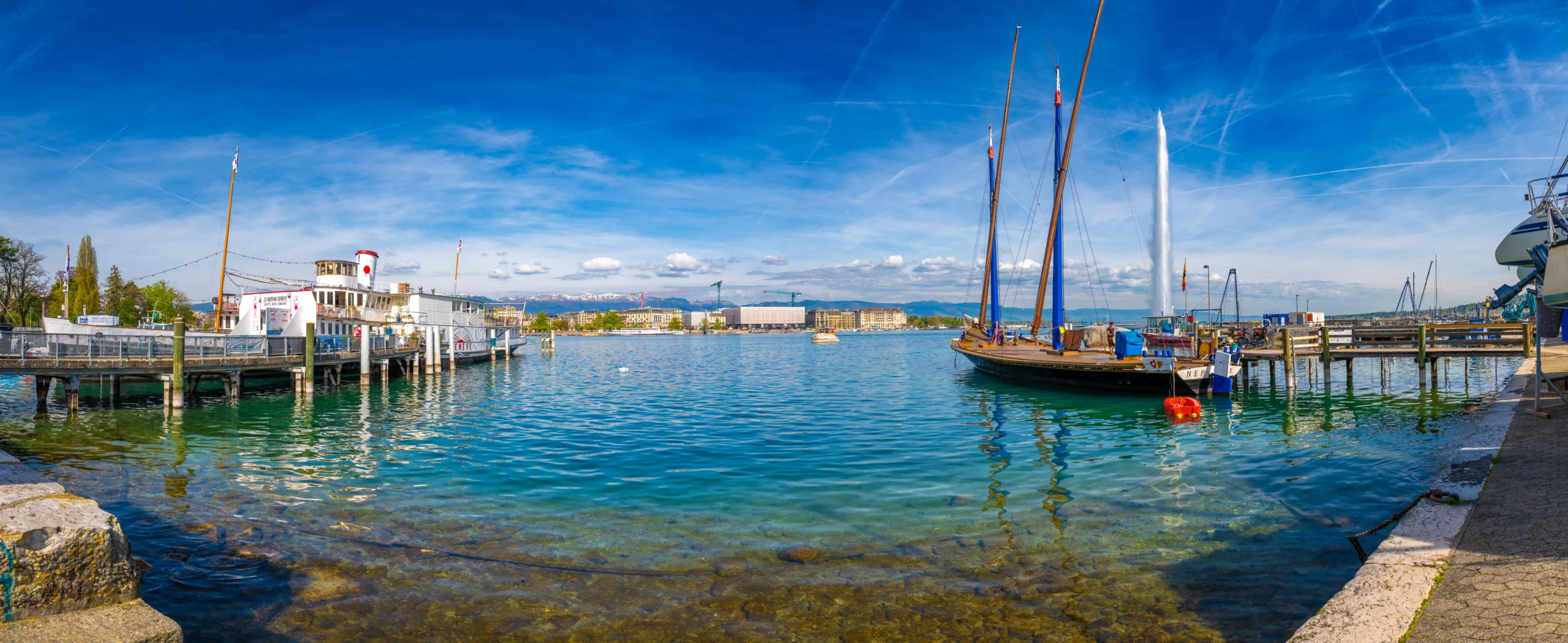
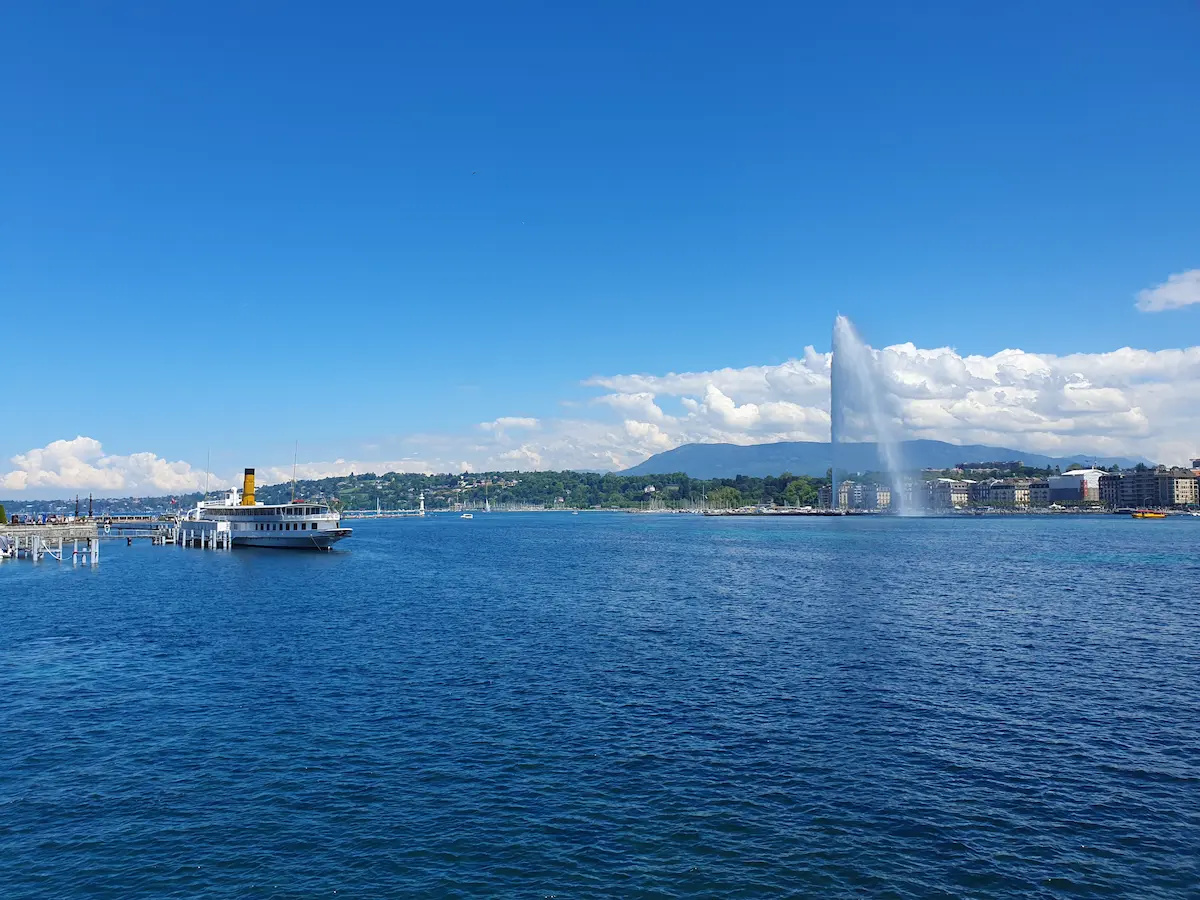
Eaux-Vives answers a different version of “I want to stay near the lake.” Geneva Tourism places the district on the shores of Lake Geneva and highlights Parc La Grange, Eaux-Vives beach, and views toward the Jet d’Eau.
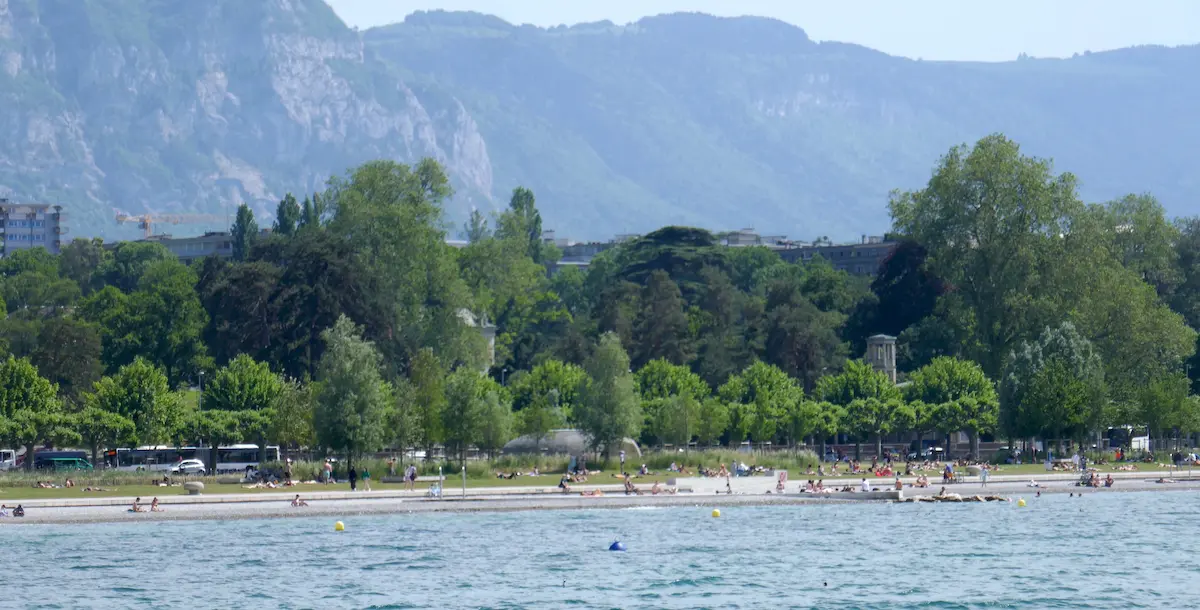
That gives the area a clear use case: the waterfront and lakeside public spaces are part of the daily plan, not an attraction you expect to see once. The decision is then less about being “central” in the abstract and more about starting and ending near the part of Geneva you actually intend to use.
This is also why Pâquis and Eaux-Vives should not be merged into one “lake area” in your planning. Both connect to the lake, but Pâquis is also defined by its station-to-lake span, while Eaux-Vives is defined by its lakeside setting and parks. The same label hides two different trip patterns.
Carouge: When a Separate Neighborhood Base Is the Point
Carouge makes sense when Carouge itself is part of the reason for the choice. Geneva Tourism describes it as a distinct part of the urban fabric on the banks of the Arve, with Sardinian architectural influence, shops, craftspeople, cafés, bars, and its own cultural venues.
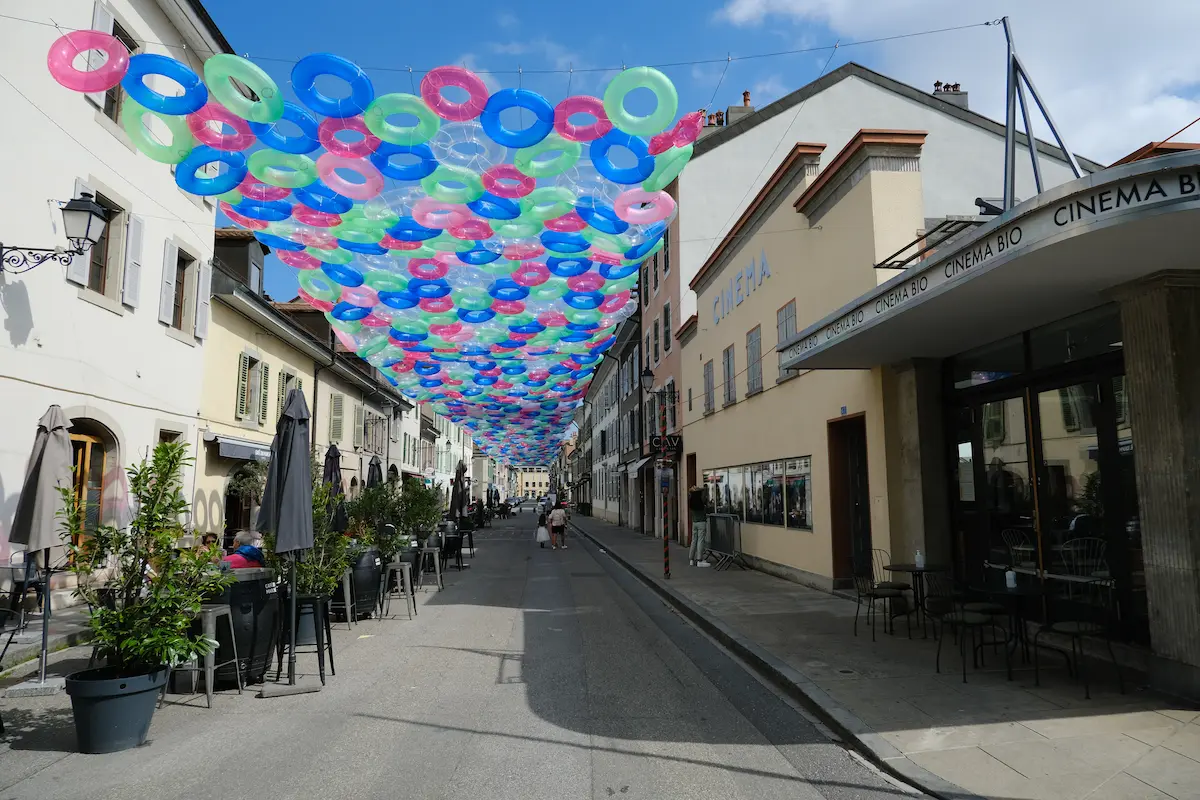
That is a different proposition from minimizing movement around the historic center or Cornavin. A traveler choosing Carouge is accepting that some central-Geneva days will require transit because the value comes from making this district the home base.
The Geneva Transport Card softens the fare penalty for eligible guests, but it does not turn Carouge into Old Town or Pâquis. If you would spend most of the trip elsewhere and return to Carouge only to sleep, the location works against the decision rule used here. If you want Carouge itself in your mornings and evenings, the extra transit becomes an intentional trade.
Three Location Traps That Can Change Your Choice
Free Transport Removes the Fare, Not the Friction
The first trap is reading “free public transport” as “location no longer matters.” The card removes eligible fares within its covered network; it does not remove the time spent waiting, changing vehicles, walking to a stop, or making a trip you could have avoided by choosing a different base.
Treat the card as a cost correction, not a geography correction. It allows you to consider a wider radius without automatically adding local-ticket expense. Your final choice should still minimize the journeys that recur most often.
“Near the Lake” Is Not One Location Strategy
The second trap is using the lake as if it were one point. Pâquis reaches the lakefront from the station side of the district. Eaux-Vives has its own lakeside relationship through the beach, Parc La Grange, and the waterfront around the Jet d’Eau.
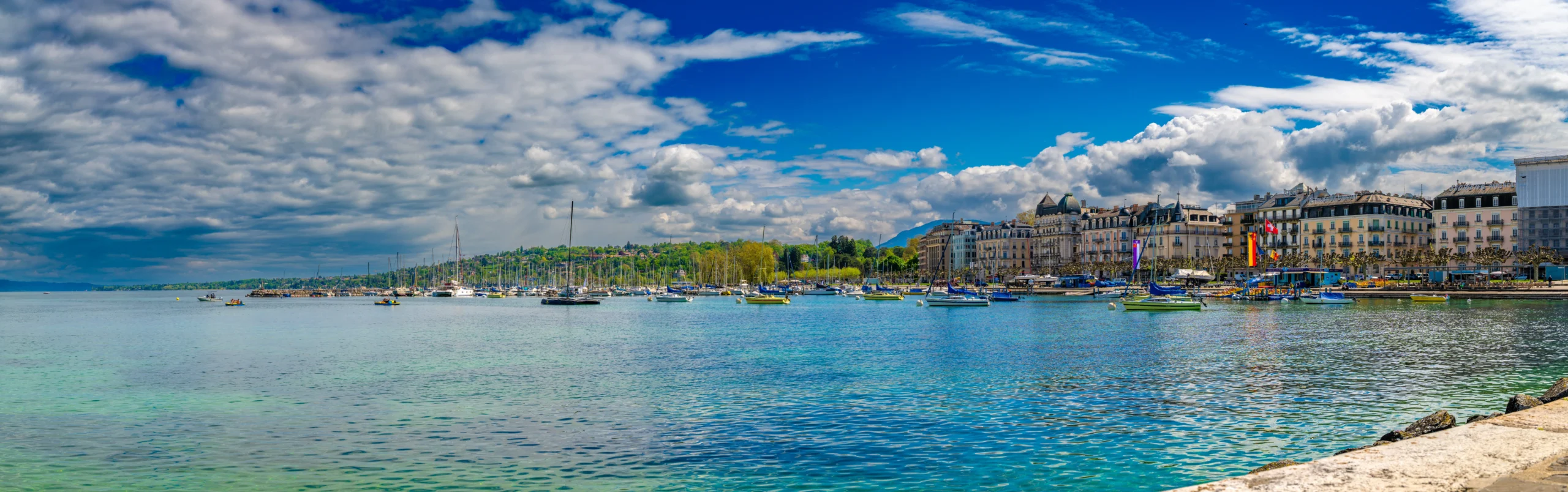
If “near the lake” is your requirement, finish the sentence: near which part of the lake, and what will you do before and after that stop? That question turns a vague preference into a usable location test.
Cornavin Proximity Only Matters If You Keep Using Cornavin
The third trap is letting the arrival station dominate the whole stay. If you arrive once and depart once, Cornavin creates two important travel moments. It does not automatically create your daily center of gravity.
Give the station more weight when you expect repeated rail departures, frequent connections, or other station-linked days. Give it less weight when your itinerary repeatedly returns somewhere else.
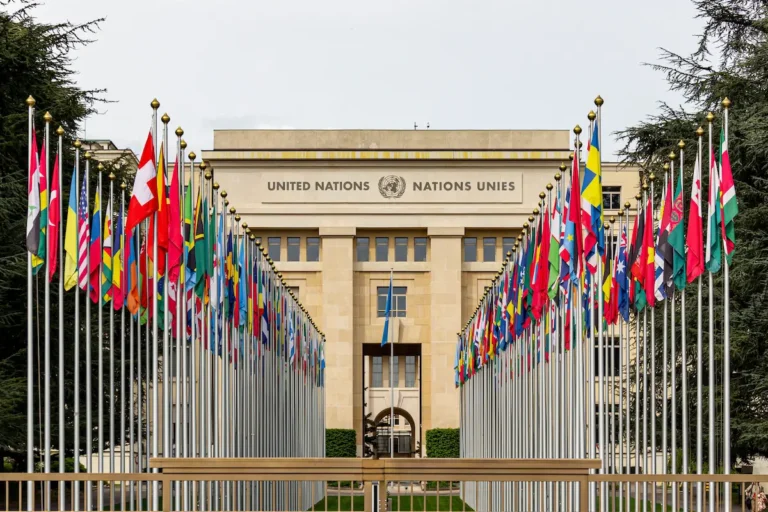
The same principle applies to fixed visits outside your daily core. If one day is built around the Palais des Nations, the United Nations Geneva tour guide explains the separate access and arrival logistics. If another day is built around CERN, the CERN Geneva visit guide explains its separate booking systems. One specialized day does not have to dictate every night of the stay.
Use Cornavin, the Historic Core and the Lake to Break the Tie
Use a four-step test before choosing an address.
- Write down the place or zone you expect to reach first on most mornings.
- Write down where you expect to finish most evenings.
- Mark Cornavin separately: is it a repeated transport hub for your itinerary, or mainly the place where you arrive and leave?
- Apply the Geneva Transport Card only after those three answers. It may reduce the fare consequence of distance, but it does not change which trip you repeat.

Under that test, Old Town rises when the historic core dominates the day. Pâquis rises when Cornavin and the station-to-lake corridor keep reappearing. Eaux-Vives rises when the waterfront, Eaux-Vives beach, and Parc La Grange are part of the routine. Carouge rises when living around Carouge itself matters enough to justify regular transit into other parts of Geneva.
For a first visit with no specialized district preference, deciding where to stay in Geneva often narrows to Old Town versus Pâquis under these criteria. Choose Old Town when the historic center is the repeated anchor. Choose Pâquis when Cornavin plus the lakefront is the repeated anchor. Eaux-Vives and Carouge become stronger when you can name the specific daily routine that makes their location worth the extra movement.
The point is not to find a neighborhood that wins every category. It is to stop paying—in time and repeated movement—for access you do not actually need.
The Hotel-Location Mistake That Costs the Most Time
The costly mistake in Geneva is not necessarily choosing the area farthest from a landmark. Before settling on a district, compare the realistic cost of visiting Geneva across budget, mid-range, and upscale travel styles. For an eligible Geneva Transport Card holder, many local journeys inside zone 10 do not add a fare at all. The mistake is choosing a base around a label such as “central,” “near the station,” or “near the lake” without checking which trip you will repeat.
When deciding where to stay in Geneva, pick the area that removes the most recurring movement from your own itinerary. Old Town fits a historic-core routine. Pâquis fits a Cornavin-to-lake routine. Eaux-Vives fits a lakeside routine. Carouge fits a stay in which Carouge itself is part of daily life. Once the repeated trip is clear, the lodging decision becomes much simpler.