Where to Stay in Basel: Old Town, Kleinbasel or Near SBB for a First Visit
Where to stay in Basel for a first visit: choose Grossbasel’s Old Town if you want central sightseeing to start on foot; Kleinbasel if Rhine-side evenings matter more; Basel SBB if trains, luggage, or EuroAirport access will repeat. For eligible guests, the BaselCard can remove the fare on many local rides, but it cannot remove the time spent making them.
Those three choices solve different versions of “central.” Old Town puts the historic core around you, Kleinbasel puts you on the opposite bank of the Rhine, and the SBB area makes the main railway station the fixed point of the trip. The useful question is not which label sounds best. It is which route you will repeat most often.
First, Place Old Town, Kleinbasel and SBB in Context
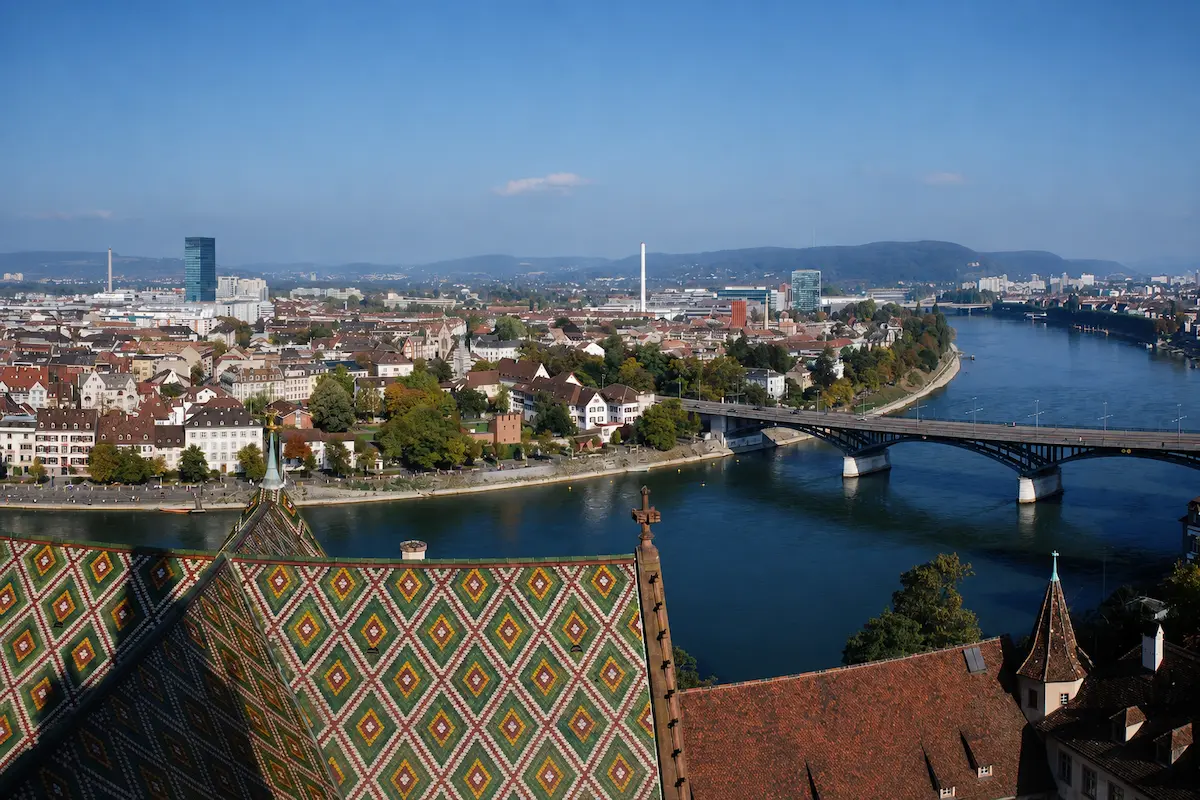
Grossbasel and Kleinbasel are separated by the Rhine. For a first-time visitor, the practical center of Grossbasel is the Old Town around places such as Marktplatz, Basel Minster and the approaches to the Mittlere Brücke. Basel Tourism says the Old Town contains nearly all the sights commonly associated with Basel, which is why this side is the logical reference point for a sightseeing-heavy first stay.
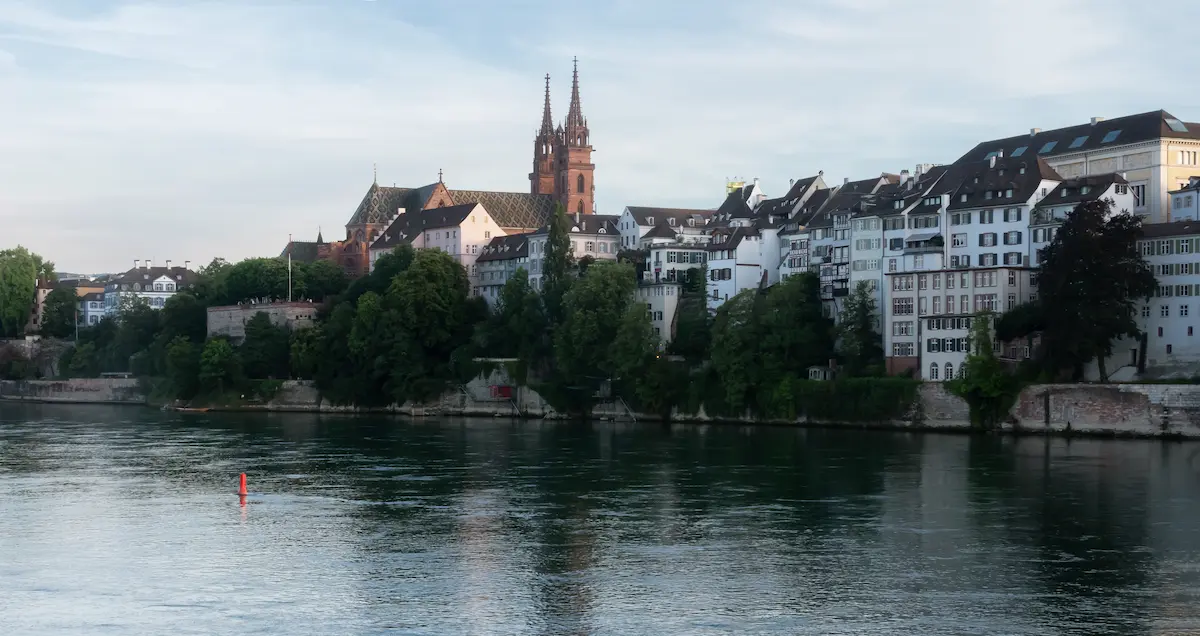
Kleinbasel sits across the river. Its Old Town and the Rhine bank form a different daily base: you may cross into Grossbasel for major historic sights, then return to the right bank for dinner, drinks or an evening by the river.
Basel SBB is different again. It is not simply another historic district competing on atmosphere. It is a transport anchor south of the Old Town. Staying near it becomes more valuable when the station appears repeatedly in your plans rather than only once on arrival and once on departure.
This is why a map matters here. Two hotels can both be marketed as central while creating very different repeated routes: toward the Old Town, across the Rhine, or back to SBB.
Old Town / Grossbasel: When Central Sightseeing Should Start on Foot
Old Town is the strongest default for a conventional first visit centered on Basel’s historic core. The reason is measurable without inventing a ranking: the official tourism district page places a large share of the city’s headline sights in this part of Grossbasel.
That changes the shape of the day. If your plans repeatedly begin around Marktplatz, Basel Minster, the Rhine crossings near the historic center and museums on the Grossbasel side, staying here reduces the number of trips you need before sightseeing even starts.
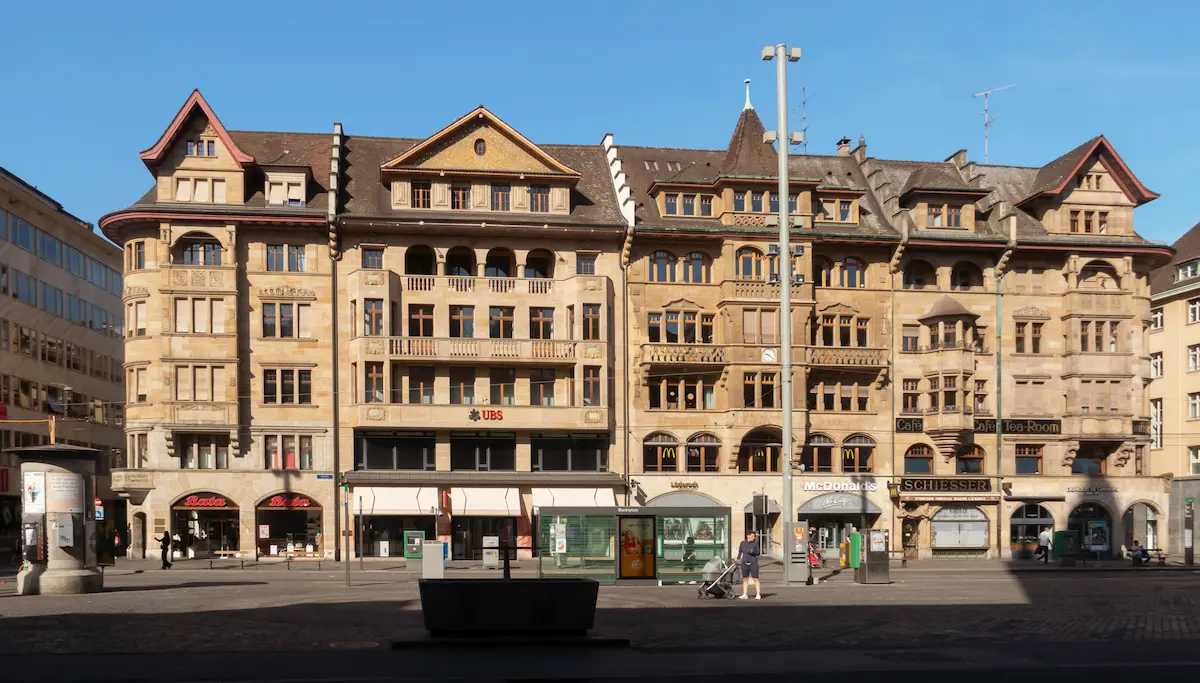
It also makes the Rhine crossing optional rather than automatic. You can cross into Kleinbasel because you want to, not because every daytime route requires it.
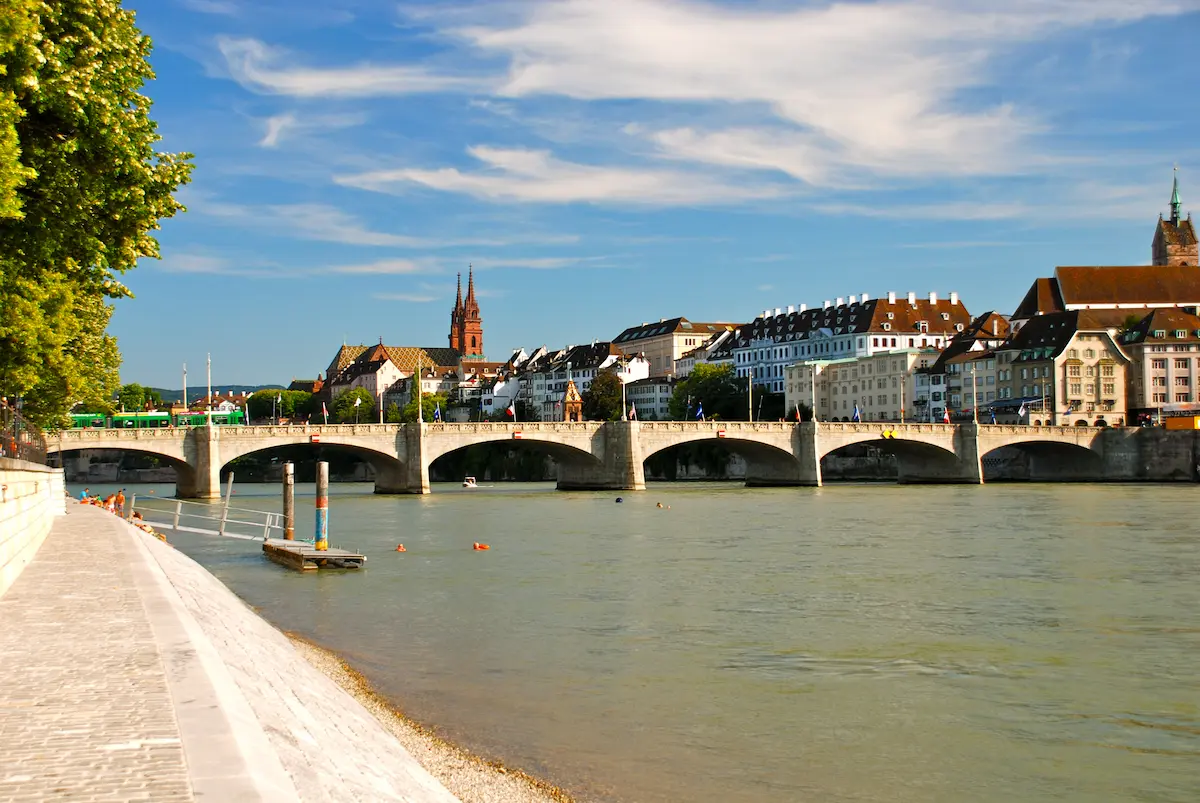
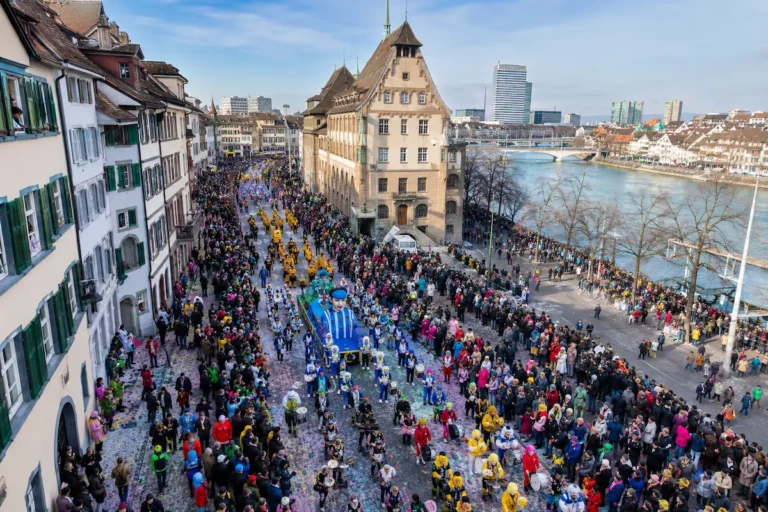
The trade-off is that “Old Town” is still a broad booking label. A property at one edge of the area can create a different routine from one near your actual daily anchors. Do not treat the neighborhood name as proof that every route will be short. The exact address still needs to be checked against the places you expect to use most. If your dates overlap Fasnacht, our Basel Carnival guide explains why Morgestraich’s 4 a.m. start makes the exact accommodation route unusually important.
For most first-time itineraries dominated by historic Basel, this is the baseline against which the other two areas should be judged.
Kleinbasel: When the Right Bank Belongs in Your Daily Routine
Kleinbasel makes more sense when the right bank is not just somewhere you plan to visit once. Basel Tourism’s district page specifically highlights the Rhine banks, squares, streets, bars and restaurants on this side. That gives the area a clear practical role for travelers whose evenings repeatedly finish here.
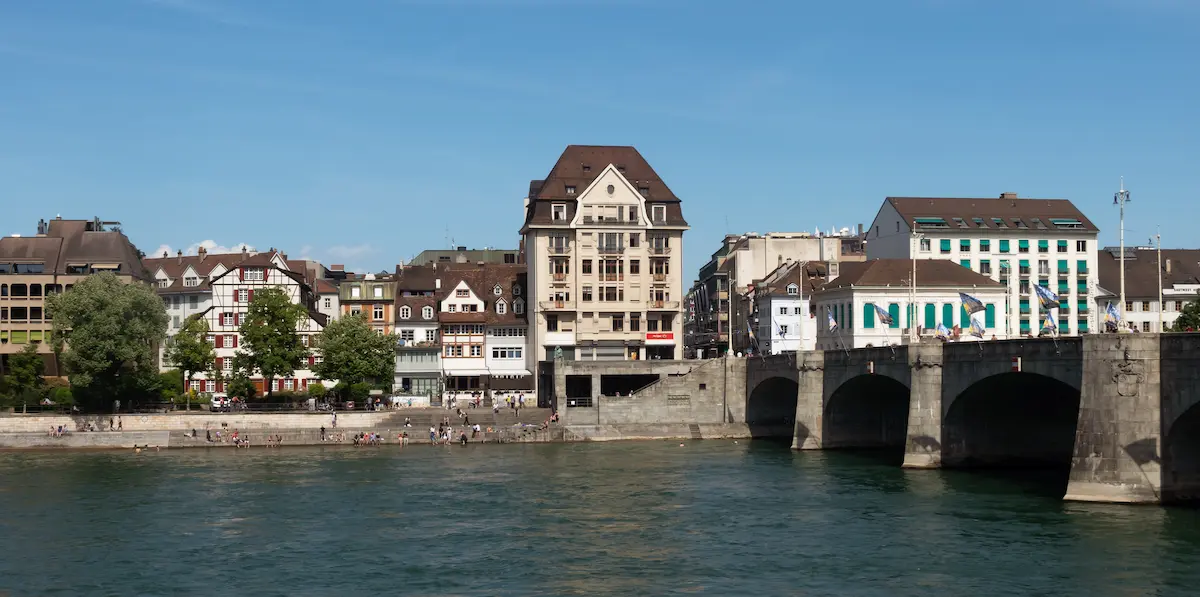
If you spend the day in Grossbasel but plan several dinners, bars or late walks on the Kleinbasel side, sleeping in Kleinbasel can shift the final trip of the night in your favor. You cross the river during the sightseeing day, then finish closer to your accommodation.
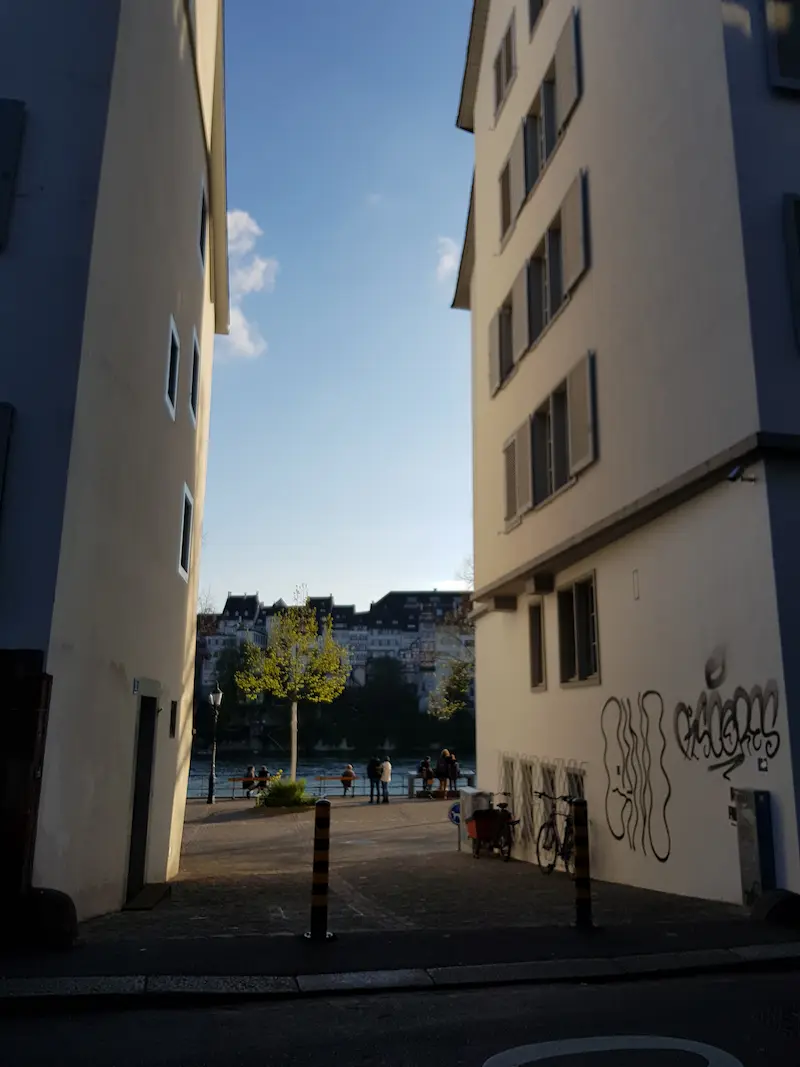
The same logic can work against Kleinbasel. If almost every daytime stop and most of your evening plans are in Grossbasel, the Rhine becomes a recurring boundary in your schedule. Basel is compact enough that crossing it is not an expedition, but a free or easy ride is still a ride, and a walk across a bridge is still part of the route.
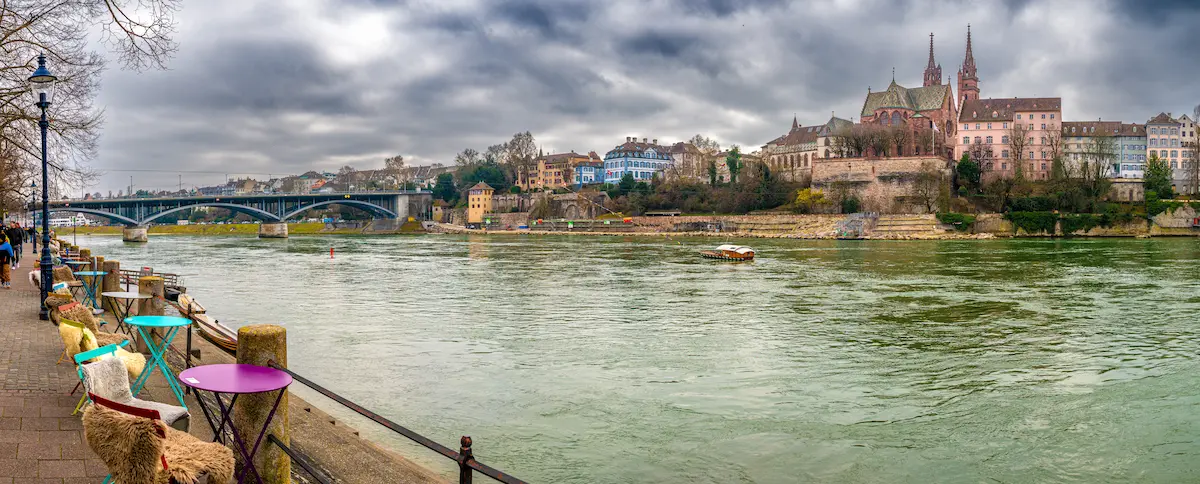
This is where the BaselCard can be misunderstood. Included local transport can reduce the cost of crossing the city, but it does not make the two banks occupy the same place. Choose Kleinbasel because your actual plans use Kleinbasel, not because transit makes location irrelevant.
Near Basel SBB: When the Station Is More Than an Arrival Point
Staying near Basel SBB is the practical choice when the station keeps reappearing in the itinerary.
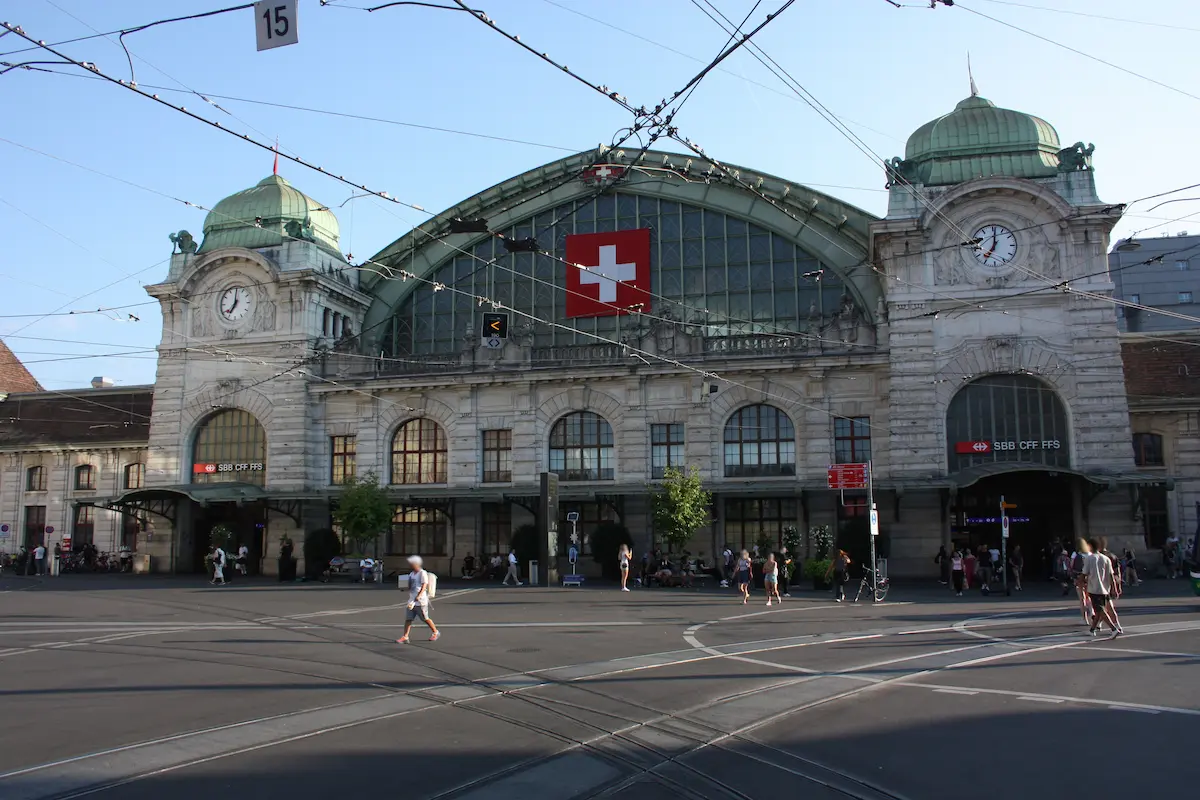
EuroAirport currently lists BVB Bus 50 as a direct service from the Swiss sector of the airport to Basel SBB, with an approximate ride of 20 minutes. The airport also identifies SBB as the rail connection point for destinations including Zurich, Bern, Lausanne and Lucerne. Check the official EuroAirport transport page before travel because schedules can change.
That makes the SBB area especially logical in three situations: you have an airport transfer at both ends of a short stay, you are using Basel as a base for multiple rail day trips, or you have luggage and another intercity train soon after checkout.
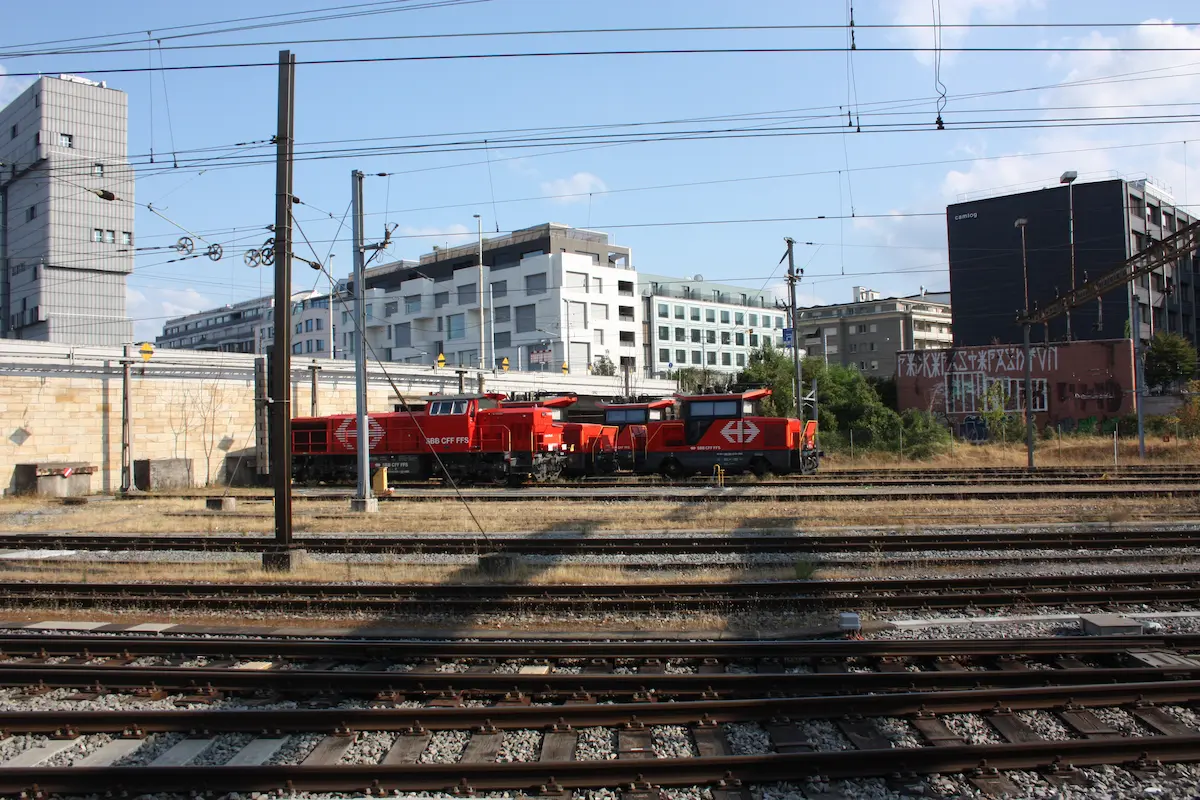
The mistake is letting a single arrival determine a multi-day hotel location. If SBB appears only when you arrive and when you leave, while every full day is focused on the Old Town, those two station trips may matter less than the journeys you make every morning and evening.
Think in frequency, not drama. Carrying luggage from a station feels important when you are booking, but the repeated route across three or four sightseeing days can consume more of your trip than the one transfer you remember most clearly.
What the BaselCard Changes—and What It Does Not
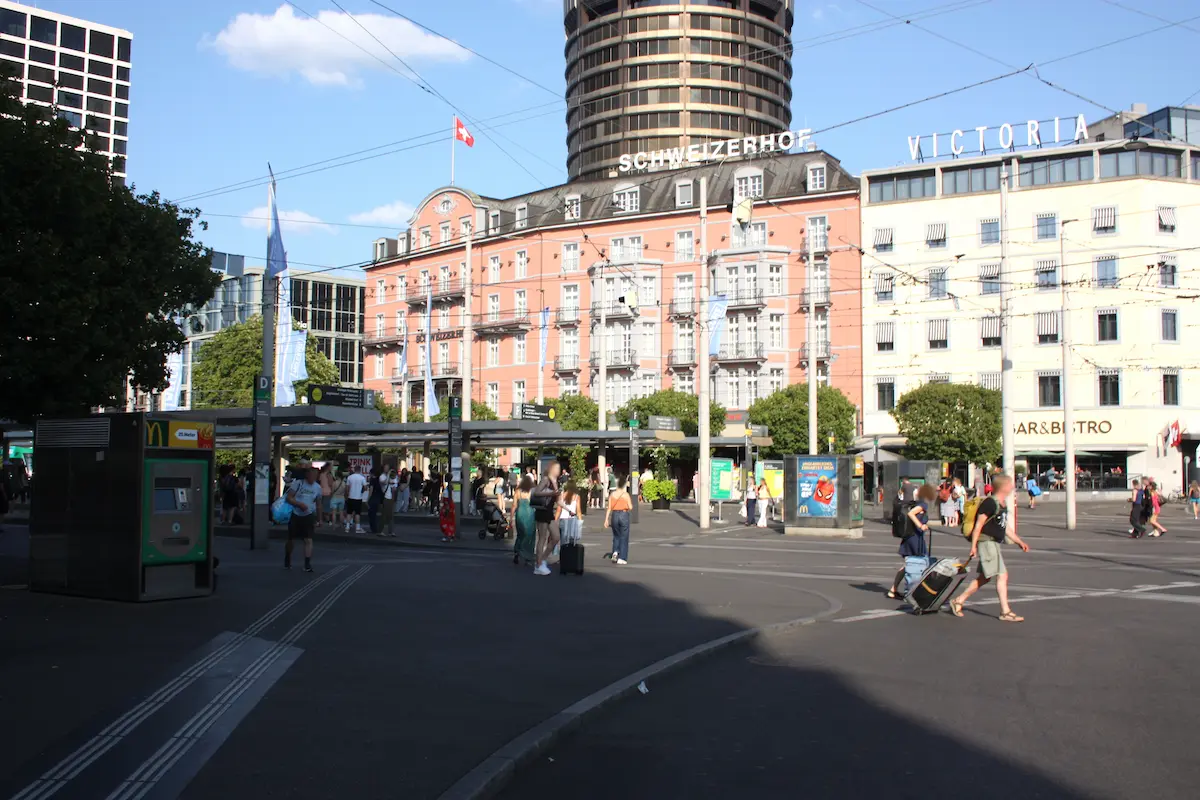
The BaselCard changes the cost side of this decision, but only after you confirm that your accommodation qualifies.
Basel Tourism states that overnight guests in the canton of Basel-Stadt generally receive a BaselCard, subject to the city-tax rules; current BaselCard guidance specifically excludes Basel-Stadt residents and military service personnel. The card is issued at check-in. For eligible guests, it covers second-class public transport in TNW zones 10, 11, 13/EuroAirport, 14 and 15. Basel Tourism also says the booking confirmation for a hotel or Airbnb in Basel serves as the ticket for the initial transfer from the airport or train station to the accommodation. Check the official BaselCard coverage and eligibility before relying on it.
That creates two booking rules.
First, “near Basel” is not the same as “eligible for the BaselCard.” Eligibility begins with an overnight stay in the canton of Basel-Stadt and also follows the applicable city-tax rules and exemptions. Confirm the property’s municipality and canton—and your own eligibility—before treating free local transport as part of the room value. This is the same reason the broader Swiss tourist tax question has to be checked at the actual accommodation location, not just by destination name.
Second, free transport does not erase location. It can make an extra tram or bus ride cost nothing within the covered zones, but it does not eliminate the walking, waiting or transfer time. If you are also deciding whether a national rail product is worth buying, remember that local guest-card coverage can overlap with the city-transport value discussed in our Swiss Travel Pass vs Half Fare Card comparison.
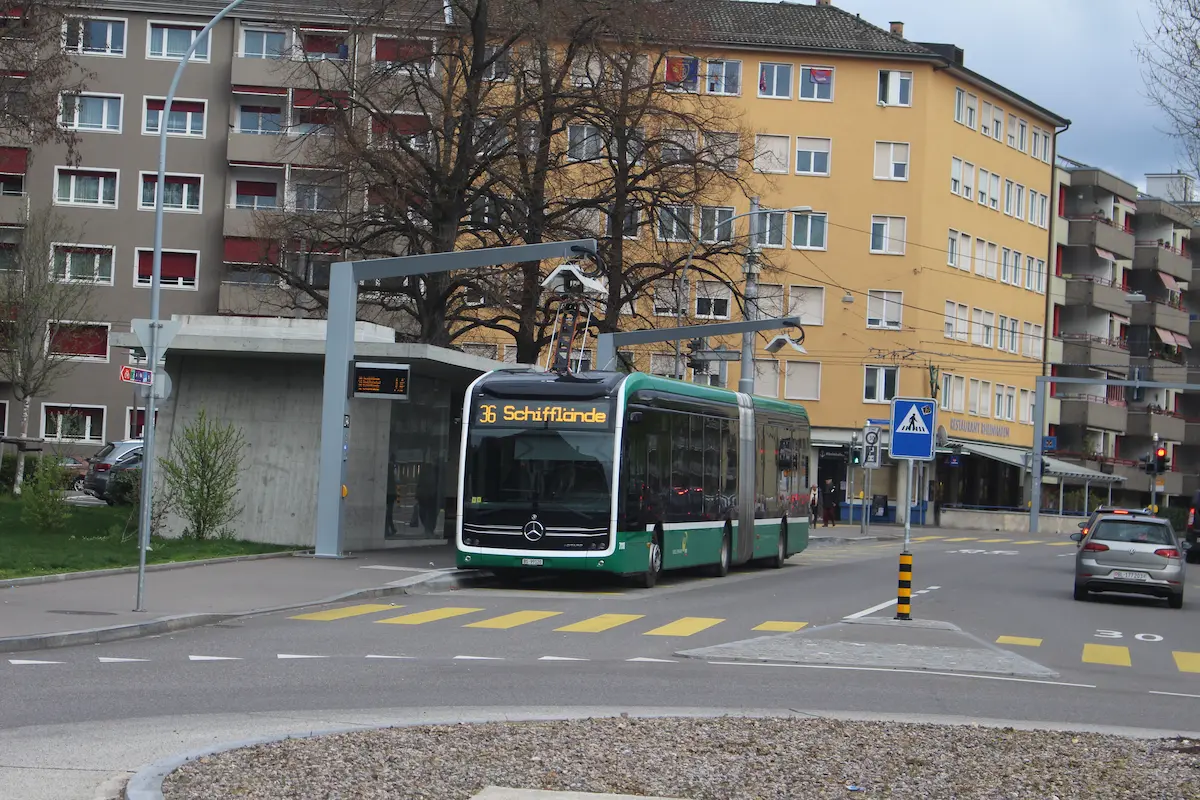
The BaselCard therefore reduces the penalty for using transit. It does not remove the advantage of sleeping where your daily route already goes.
Compare Old Town, Kleinbasel and SBB by Repeated Movement
If you are deciding where to stay in Basel, use the table as a routing test rather than a neighborhood ranking.
| Criterion | Old Town / Grossbasel | Kleinbasel | Near Basel SBB | What should decide it |
|---|---|---|---|---|
| Historic-core sightseeing | Strongest fit when most days start around Basel’s classic Old Town sights | Usually requires more river crossings for a Grossbasel-heavy plan | Adds a trip from the station area before the historic core becomes your base | Where your first daytime stop is on most days |
| Right-bank evenings | Requires a return across the Rhine when nights end in Kleinbasel | Strong fit when several evenings finish on the right bank | Neither bank is directly optimized | Where dinner, bars or late walks repeatedly end |
| Repeated SBB use | Station access is secondary | Station access is secondary | Strongest fit when trains recur throughout the stay | Number of separate days you actually use SBB |
| EuroAirport connection | Bus 50 reaches SBB first; onward movement follows | Bus 50 reaches SBB first; onward movement follows | Directly aligned with the airport bus terminus | Whether airport logistics happen once or combine with other SBB trips |
| Rhine crossings | Often optional for a historic-core itinerary | Often built into a Grossbasel-heavy sightseeing day | Depends on where the rest of the day is spent | Which side holds most planned stops |
| Eligible local transport | BaselCard can reduce local fare cost | BaselCard can reduce local fare cost | BaselCard can reduce local fare cost | Confirm Basel-Stadt location and BaselCard eligibility for your stay |
If one column keeps winning for the routes you will actually repeat, the decision is becoming clear. If the result is mixed, the exact hotel address matters more than the neighborhood label.
Run Four Checks on the Exact Address Before You Book
Choosing where to stay in Basel depends on more than the neighborhood name. A good area can still produce a poor location for your itinerary, so run these four checks on the property address before paying:
- Confirm Basel-Stadt if the BaselCard affects your decision. Do not assume every property advertised as Basel or near Basel qualifies. Check the actual municipality and canton.
- Plot the address against your main Grossbasel anchor. Use the place you will genuinely visit first on most sightseeing days, not a generic “city center” pin.
- Plot the address against Basel SBB. Give this route extra weight only if the station appears on several separate days, for example for airport transfers plus rail trips.
- Plot the address against your likely evening endpoint. If several nights end in Kleinbasel, test that return route. If your evenings stay in Grossbasel, test that instead.
This method also protects you from fuzzy accommodation labels. “Old Town,” “Kleinbasel” and “near SBB” are useful first filters. The booking address is the final evidence.
This method also protects you from fuzzy accommodation labels. “Old Town,” “Kleinbasel” and “near SBB” are useful first filters. The booking address is the final evidence.
Check the Canton, Then the Daily Route, Then the Station
For a first visit centered on historic Basel, start with Old Town / Grossbasel as the reference choice. Switch to Kleinbasel when the right bank is part of your routine, especially when several evenings end there. Switch toward SBB when the station is a recurring node for the airport, day trips or onward trains rather than a one-time arrival point.
Before booking, use the same order every time: confirm the property is in Basel-Stadt if you are counting on the BaselCard, compare the exact address with the route you will repeat each day, then decide how much SBB access really matters.
The answer to where to stay in Basel is the base that removes a repeated journey from your own itinerary, not the one with the most convenient neighborhood label.