Best Time to Visit Lucerne: Weather, Crowds and Mountain Closures
In 2025, nearly two-thirds of hotel nights in Canton Lucerne fell between May and October—but mountain and boat schedules changed several times inside that same window. Picking a month by temperature alone can leave you in Lucerne after a key railway, cable car, or lake connection has switched to a reduced timetable.
Short answer: September is the best time to visit Lucerne for most first-time travelers because the main lake and mountain routes are still operating, summer crowds begin to ease, and temperatures remain workable for city and summit days. Choose late May or June for longer days; check maintenance calendars before booking late October or November.
Last verified: July 27, 2026. Operating dates below use published 2026 schedules as examples. Railways, cable cars, boats, and festival dates change by year, so open the official timetables again before buying nonrefundable tickets.
Lucerne Month by Month: Weather, Crowds and What Is Running
MeteoSwiss’s national annual-cycle guidance places Switzerland’s coldest period between December and February and its warmest between June and August. July is generally the warmest month nationally. The same guidance says that the northern side of the Alps usually receives more precipitation in summer than in winter because showers and thunderstorms are more frequent. Use these patterns as broad seasonal context rather than as exact monthly averages for Lucerne.
| Month | Weather pattern | Crowd signal | Lake boats | Pilatus access | Rigi access | Best for / warning |
|---|---|---|---|---|---|---|
| January | Cold, short days; snow possible | Low outside holiday dates | Reduced winter service | Kriens side may operate; cogwheel closed | Selected winter routes | Museums and a city-first stay; mountain visibility can be poor |
| February | Cold; winter conditions at altitude | Often among the quieter periods | Reduced winter service | Kriens side may operate; cogwheel closed | Selected winter routes | Lower demand; check snow, wind, and route status |
| March | Changeable, with winter still possible high up | Low to moderate | Reduced or shoulder-season service | Maintenance can affect the Kriens side | Selected routes | City sightseeing; do not assume a complete mountain circuit |
| April | Milder in town, mixed at altitude | Moderate around Easter | Service begins to expand | Kriens side usually returns; cogwheel may still be closed | More routes begin spring schedules | Flexible city-and-lake trip |
| May | Mild, longer days, unsettled spells possible | Rising | Summer service begins late in the month in 2026 | Cogwheel begins May 11 in 2026 | Broader service | Late May for fuller transport coverage |
| June | Warm, long daylight; showers possible | High | Full summer pattern | Main routes operating | Main routes operating | Long days and full combinations |
| July | Usually warmest; thunderstorms possible | Peak | Full summer pattern | Main routes operating | Main routes operating | Maximum choice, with busy departures |
| August | Warm; showers and thunderstorms remain possible | Peak; festival dates add pressure | Full summer pattern | Main routes operating | Main routes operating | Events and full service; reserve time-sensitive legs |
| September | Mild to cool; shorter days than summer | Summer-season demand; festival dates can add pressure | Autumn pattern starts September 7 in 2026 | Main routes continue | Timetables shift by line | Best overall balance for many first trips |
| October | Cooler, shorter days; early snow possible at altitude | Moderate, then lower | Autumn service to October 18 in 2026, then winter | Full round-trip window ends October 18 in 2026 | Lines move to autumn or winter patterns | Early October can work well; late October needs schedule checks |
| November | Cold, gray spells; snow possible | Low | Reduced winter service | Major Kriens maintenance October 19–November 27 in 2026 | Several lines have weekday maintenance | City-focused trips; highest closure risk |
| December | Cold, short days; winter atmosphere | Variable around holidays | Winter service | Kriens side returns November 28 in 2026; cogwheel ends November 29 | Selected winter routes | Seasonal events and city time, not the full summer circuit |
The table is a planning screen, not a promise of service. Check the exact travel date, direction, and final return before committing to a mountain day.
When Lucerne Is Busiest—and the Dates That Add Pressure
The canton’s official 2025 tourism statistics show why May through October deserves extra attention: nearly two-thirds of annual hotel nights occurred during that six-month summer season, totaling about 1.6 million nights. The same report says Lucerne city and nearby lake and mountain regions received most visits from June through August. February recorded the year’s lowest monthly total.
Those figures do not mean every street or train is packed for six straight months. Pressure concentrates around warm weekends, clear mountain forecasts, school holidays, and timed departures. July and August offer the broadest transport choice, yet the advantage can be offset by fuller boats, summit services, and central hotels.
Summer Demand Is Not the Only Calendar Pressure
Event dates can raise demand even after the main vacation rush. The Lucerne Festival summer program runs from August 13 to September 13 in 2026. Concert nights can affect central accommodation and restaurants, while clear September weekends still draw day-trippers to Pilatus and Rigi.
For a one-day visit, a crowded first mountain departure matters more than the city’s annual hotel total. Build the day around the least flexible segment, then fit Old Town and the waterfront around it. The same rule shapes this Lucerne one-day itinerary.
The same logic applies nationally: choose the best time to visit Switzerland around the least flexible mountain or hiking component.
September Offers Balance, Not Emptiness
September works because several favorable conditions overlap: temperatures are usually easier for walking than midsummer heat, the core mountain links still run, and lake service remains useful. The cited statistics do not establish a week-by-week decline within September, while festival dates and sunny weekends can still create demand. Treat September as an operationally balanced alternative to midsummer, not as a reliably quiet month.
Mountain and Lake Closures That Can Change the Trip
Lucerne’s major excursions are transport systems with separate operating windows. “Pilatus is open” can mean the summit is reachable from Kriens while the cogwheel railway from Alpnachstad is closed. “Rigi runs year-round” does not mean every cable car and railway follows the same calendar.
Pilatus Has Three Different Operating Windows
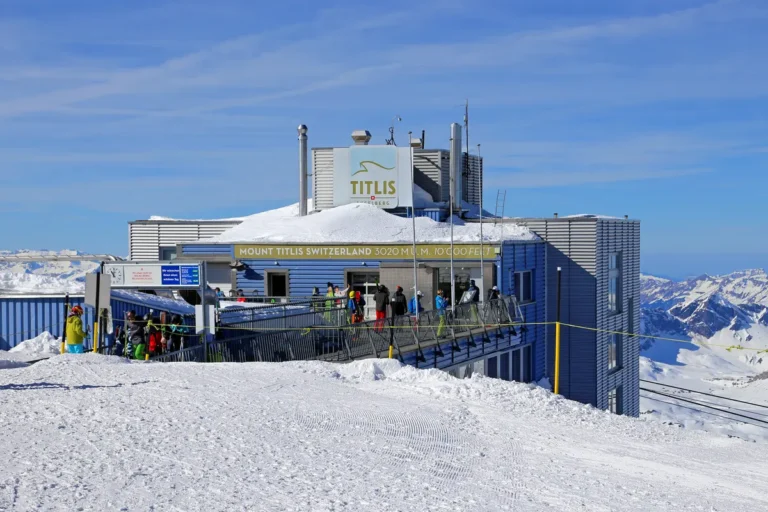
The complete Golden Round Trip depends on three pieces lining up: boat or train to Alpnachstad, the cogwheel railway to Pilatus Kulm, and the cableway and gondolas down to Kriens. In the official Pilatus 2026 timetable, the cogwheel railway operates May 11 through November 29, but direct boat connections for the classic circuit run only through October 18. The Kriens route has maintenance closures March 30–31 and October 19–November 27.
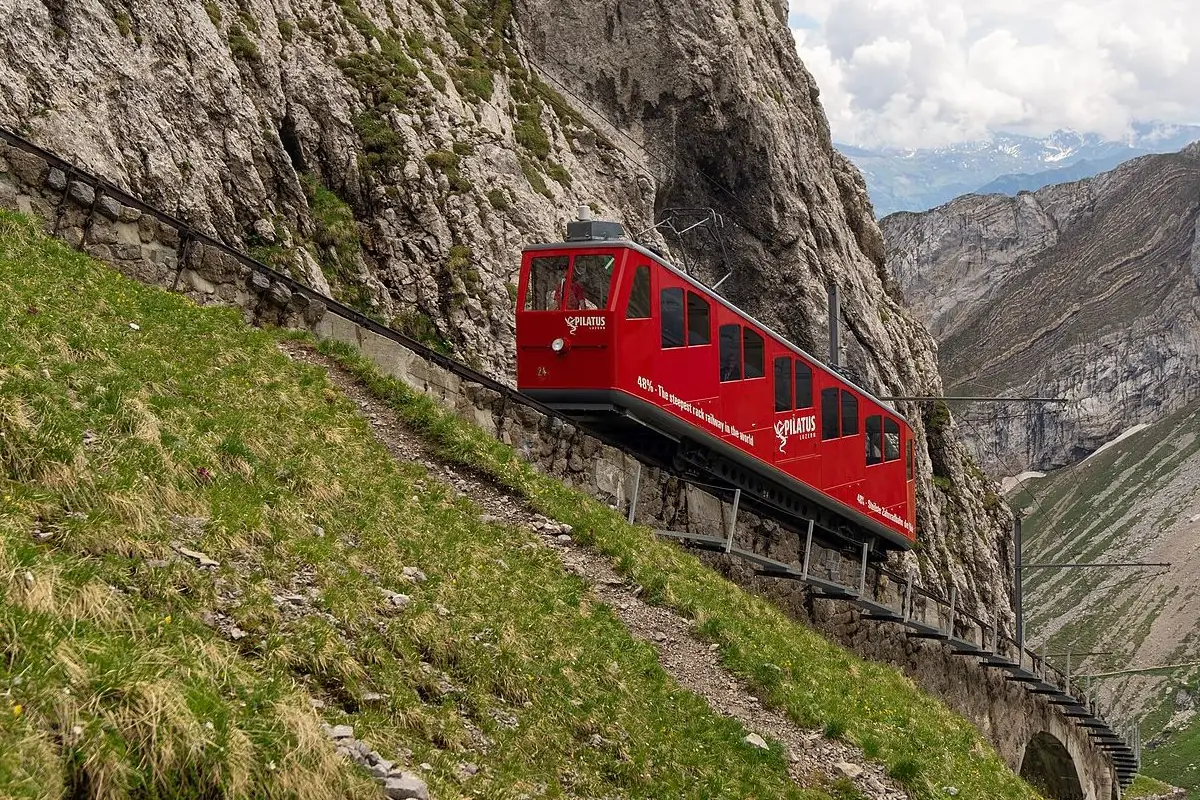
That creates three practical windows: winter access from the Kriens side, a broader warm-season summit period, and a shorter complete boat-and-mountain circuit. Compare the tradeoffs in Mount Pilatus vs. Mount Rigi before choosing one excursion.
Rigi Is Year-Round, but Every Route Is Not
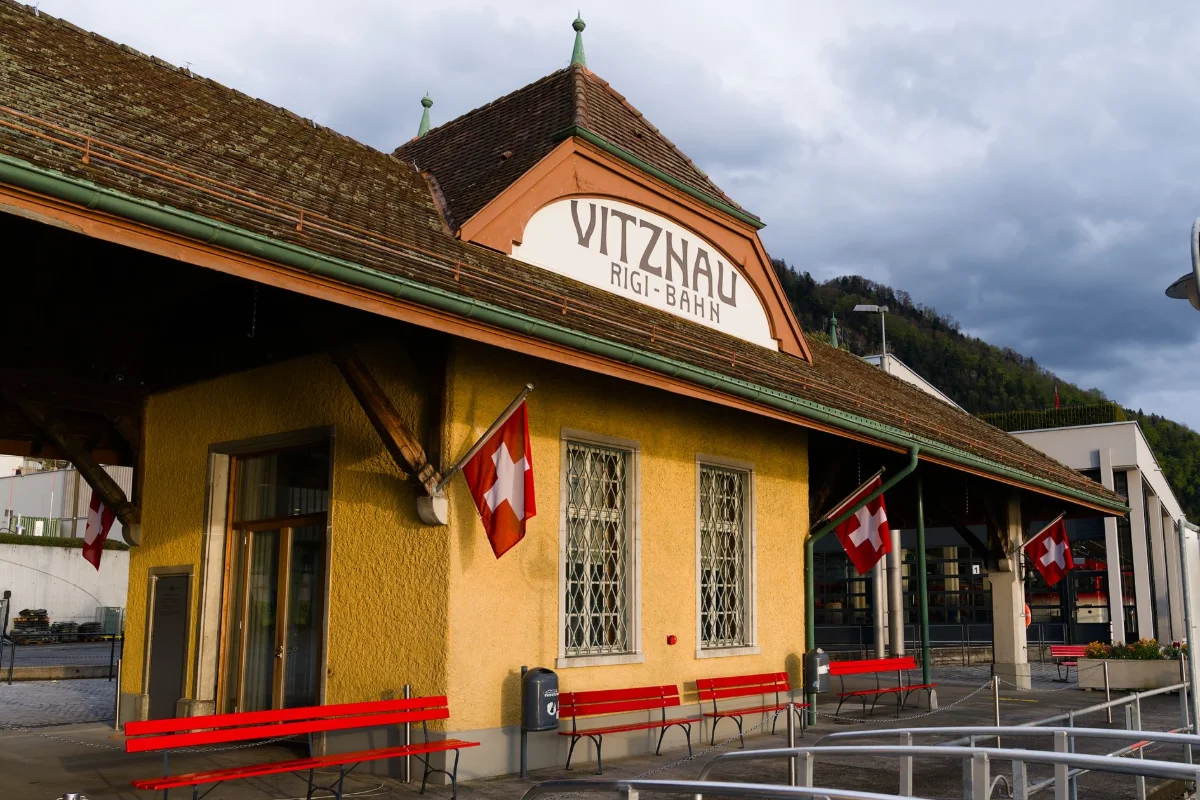
Rigi has several approaches, including Vitznau, Goldau, Weggis, Kräbel, and smaller feeder links. The official Rigi timetables assign different seasonal periods to individual lines. Published 2026 service, for example, shifts from summer to autumn on different dates for Vitznau and Goldau.
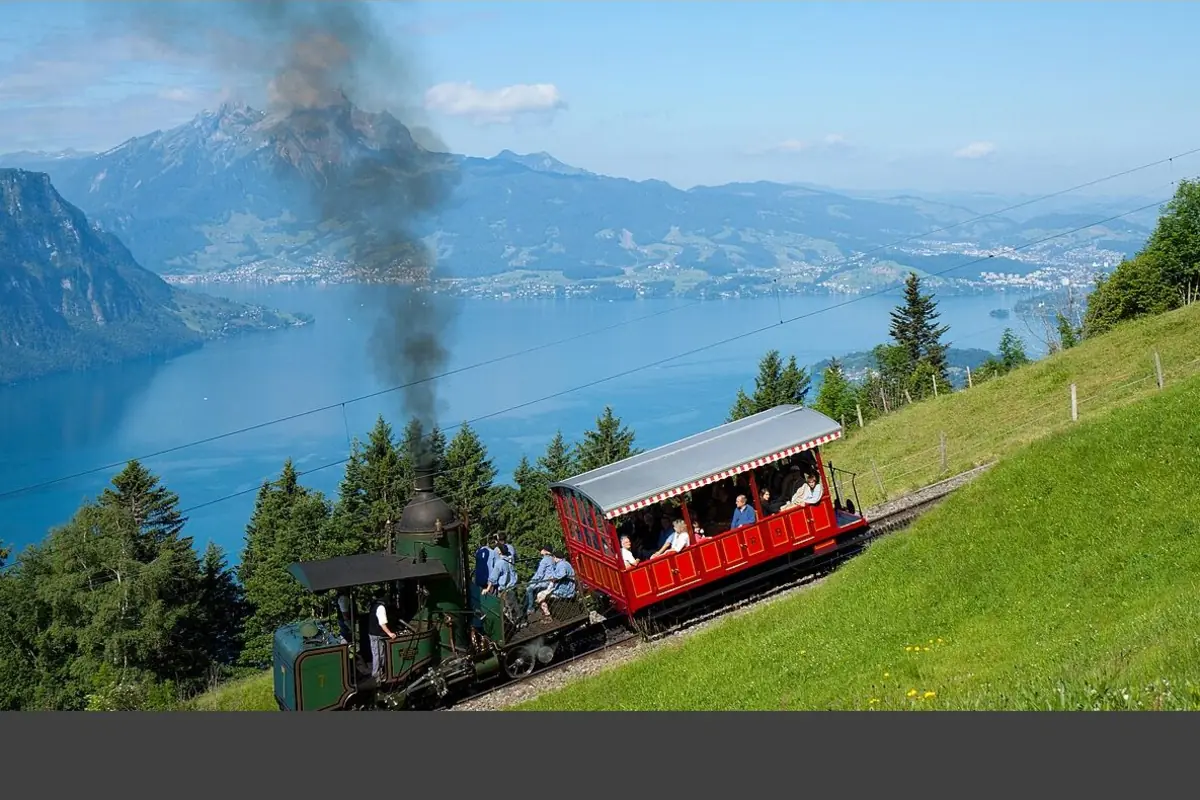
Maintenance adds another layer. The 2026 operating notices list weekday suspensions for the Weggis–Rigi Kaltbad cable car from November 16–27, the Kräbel–Rigi Scheidegg cable car from November 2–13, and the Obergschwend–Rigi Burggeist cable car from November 16–December 3. A rail route may still work while the loop you planned does not.
Lake Boats Continue, but the Timetable Shrinks
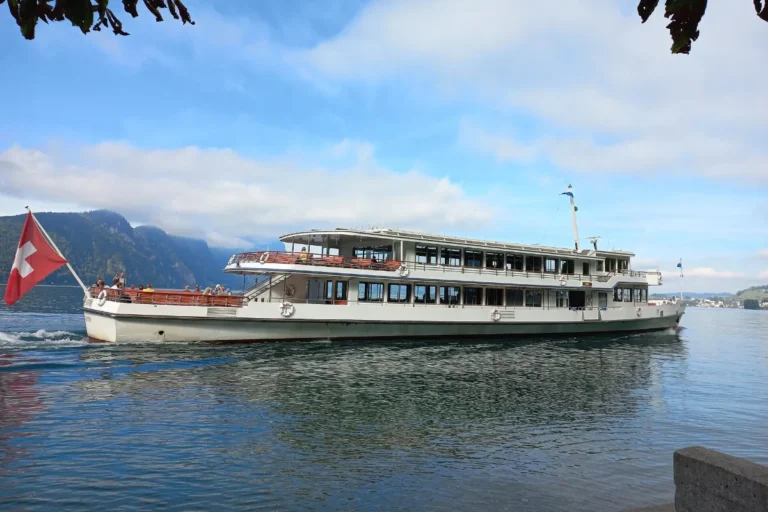
Lake Lucerne boats do not simply stop when summer ends. Frequency and useful connections change. The 2026 Lake Lucerne timetable divides service into summer from May 23 to September 6, autumn from September 7 to October 18, and winter from October 19 to December 12, with later periods published separately.
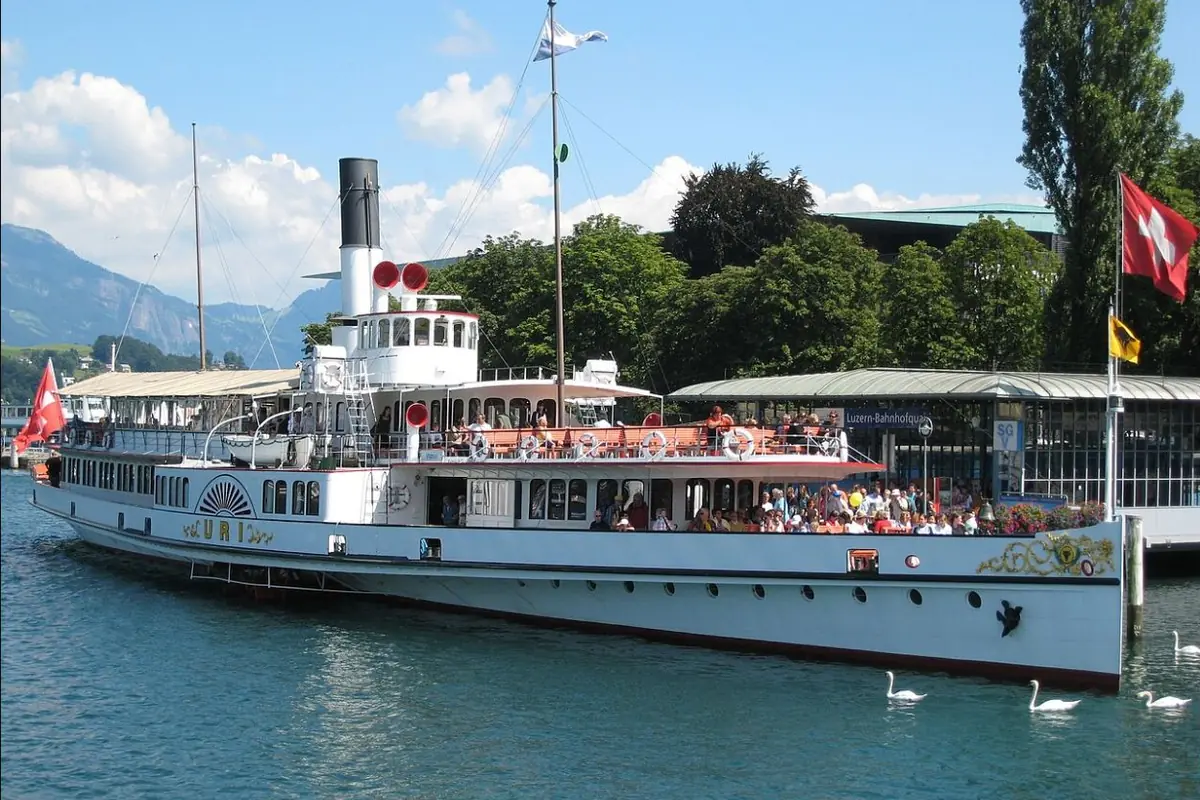
A reduced timetable can turn a relaxed loop into a long wait or remove the connection that makes a same-day mountain circuit work. Check the boat and mountain legs together, including the last descent. On wet or low-visibility days, keep a city alternative ready; these rainy-day options in Lucerne help preserve the day without forcing a summit trip.
Best Time to Visit Lucerne by Trip Priority
For the Full Lake-and-Mountain Combination
Choose late May through early October, then verify the exact year. June gives long daylight and a full transport network. July and August give maximum frequency but also the heaviest demand. Early October can be efficient, though shorter daylight and an earlier last connection leave less recovery time after a delay.
For the Best Overall Balance
Choose September. It keeps most warm-season options open while reducing some of the midsummer pressure. Early September has longer days and more event demand; late September is quieter but cooler. A stay of two or three nights gives you room to assign the clearest forecast to the mountain.
For a City-First Winter Trip
Choose December through February if Old Town, museums, seasonal events, and waterfront walks matter more than the complete mountain circuit. February had the lowest hotel-night total in Canton Lucerne in 2025, though one year is a signal rather than a guarantee. Winter schedules are thinner, summit weather changes quickly, and some attractions keep shorter hours.
Frequently Asked Questions
What is the rainiest month in Lucerne?
There is no dependable “avoid this one month” answer for a single trip. MeteoSwiss normals show that summer north of the Alps often receives more precipitation than winter because showers and thunderstorms are more frequent. July can be warm and sunny for part of a day, then turn wet. Use a short-range forecast and keep one indoor block available.
Is September too late for Mount Pilatus?
Usually no. In the published 2026 calendar, both the cogwheel railway and the Kriens cableway operate throughout September, and the classic boat connection remains available. Dates change each year, and weather or technical issues can interrupt service, so verify the day before.
Is Lucerne crowded in October?
Early October can still be busy on clear weekends, but demand is generally below July and August. The more important split is operational: in 2026, both the Pilatus complete-circuit window and the Lake Lucerne autumn timetable change after October 18.
Can I visit Mount Rigi in winter?
Yes, selected Rigi routes operate in winter. Check the exact ascent, descent, and feeder connection because cable cars and railways can follow different schedules. Snow, wind, or maintenance can also change the route on the day.
Choose the Month Around Your Nonnegotiable
September is the strongest default for a first Lucerne trip. Late May and June are better if long days and broad transport coverage outrank crowd levels; December through February fit travelers who are comfortable making the city the main event.
Do one final check before booking: identify the excursion you would regret missing, open every transport leg for your exact date, and confirm the last return. Lucerne is rewarding in every season, but the best month is the one when your priority route is actually running.