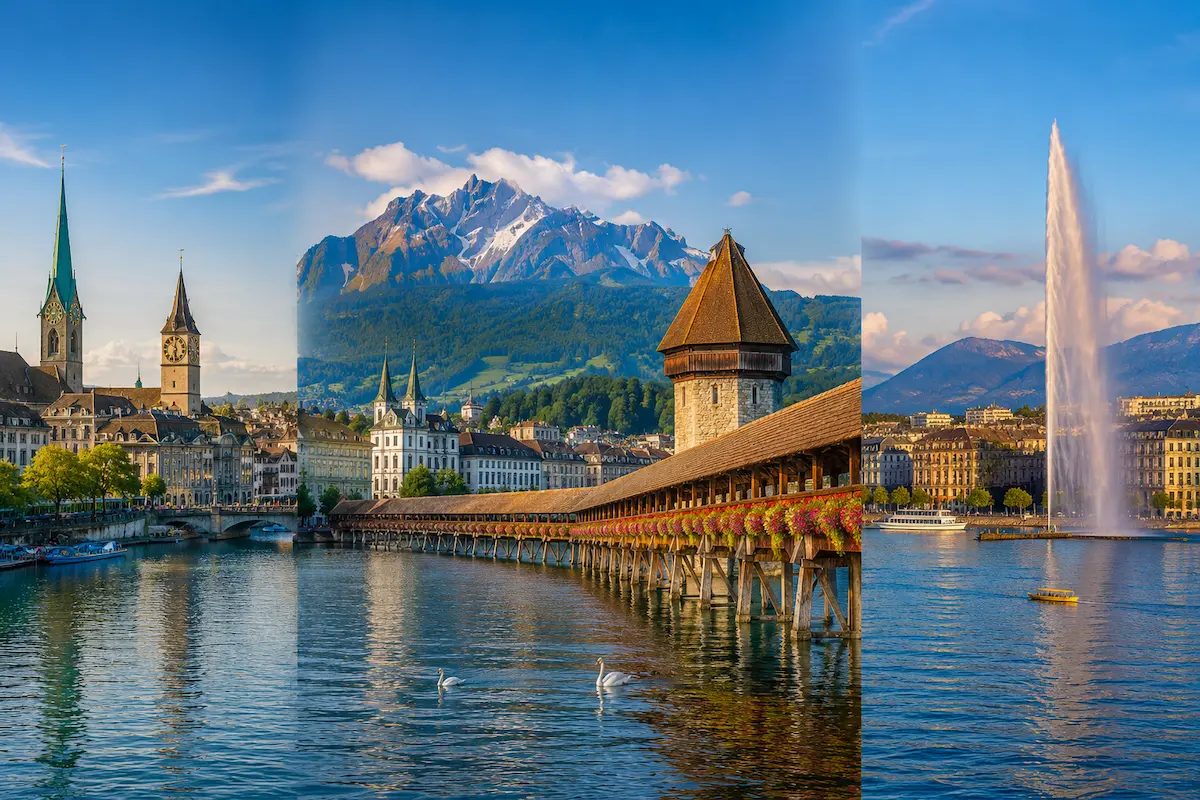
Zurich vs Lucerne vs Geneva: Which Swiss City Fits a First Trip?
For a first trip to Switzerland, choose Lucerne if you want the easiest combination of a compact historic city, lake scenery, and a mountain day; choose Zurich if you want more urban variety and the simplest gateway for a trip that continues across the country; choose Geneva if International Geneva, CERN, or the Lake Geneva region are part of the reason you are going.
The useful question is not which city is “best.” It is what job the city needs to do in your trip. One may be your main urban destination, another may work better as a base for mountains, and a third may make more sense because of where you arrive or where you are heading next.
Zurich vs Lucerne vs Geneva at a Glance
Use the same criteria for all three cities before you compare individual attractions.
| Decision factor | Zurich | Lucerne | Geneva |
|---|---|---|---|
| Strongest first-trip role | Urban destination and transport gateway | Compact city + lake + mountain base | International city + western Switzerland gateway |
| Historic core | Old Town on both sides of the Limmat | Old Town around the Reuss and Chapel Bridge | Elevated Old Town around St. Peter’s Cathedral |
| Lake experience | Lake Zurich is part of the city but not its only focus | Lake Lucerne is tightly integrated with the city and mountain excursions | Lake Geneva defines much of the central waterfront |
| Mountain access | Uetliberg is local; higher-Alpine days require a larger excursion | Several mountain options sit close to the city | Mountain excursions are possible, but the city’s strongest identity is not an Alpine base |
| Urban depth | Strongest of the three for neighborhoods, museums, nightlife, and a longer city stay | More compact; easiest to cover as a city in a shorter stay | Strong mix of history, waterfront, international institutions, and distinct districts |
| Best fit | Travelers who want city life plus efficient onward travel | Travelers prioritizing classic lake-and-mountain Switzerland | Travelers drawn to diplomacy, science, French-speaking Switzerland, or the Lake Geneva corridor |
| Main tradeoff | Less immediate “city plus high mountains” integration than Lucerne | Less urban depth if you want several city-only days | Less efficient if most of the rest of your trip is in Central or Eastern Switzerland |
The factual comparison above is based on the cities’ official tourism information and current Swiss rail connections; the “best fit” and tradeoff labels are editorial judgments rather than official rankings.
Choose Lucerne If You Want the City, Lake and Mountains in One Base
Lucerne has the clearest case when your mental picture of a first Switzerland trip involves a historic center in the morning, a lake boat or waterfront later, and a mountain day without changing hotels.
Lucerne Tourism presents the destination around exactly that combination: city, lake, and mountains. The Chapel Bridge sits in the center of town, while the regional tourism office says several mountain excursions can be reached from Lucerne by public transport. Pilatus and Rigi are the obvious examples, but the important planning point is not the number of peaks. It is how tightly the mountain day connects to the city base.
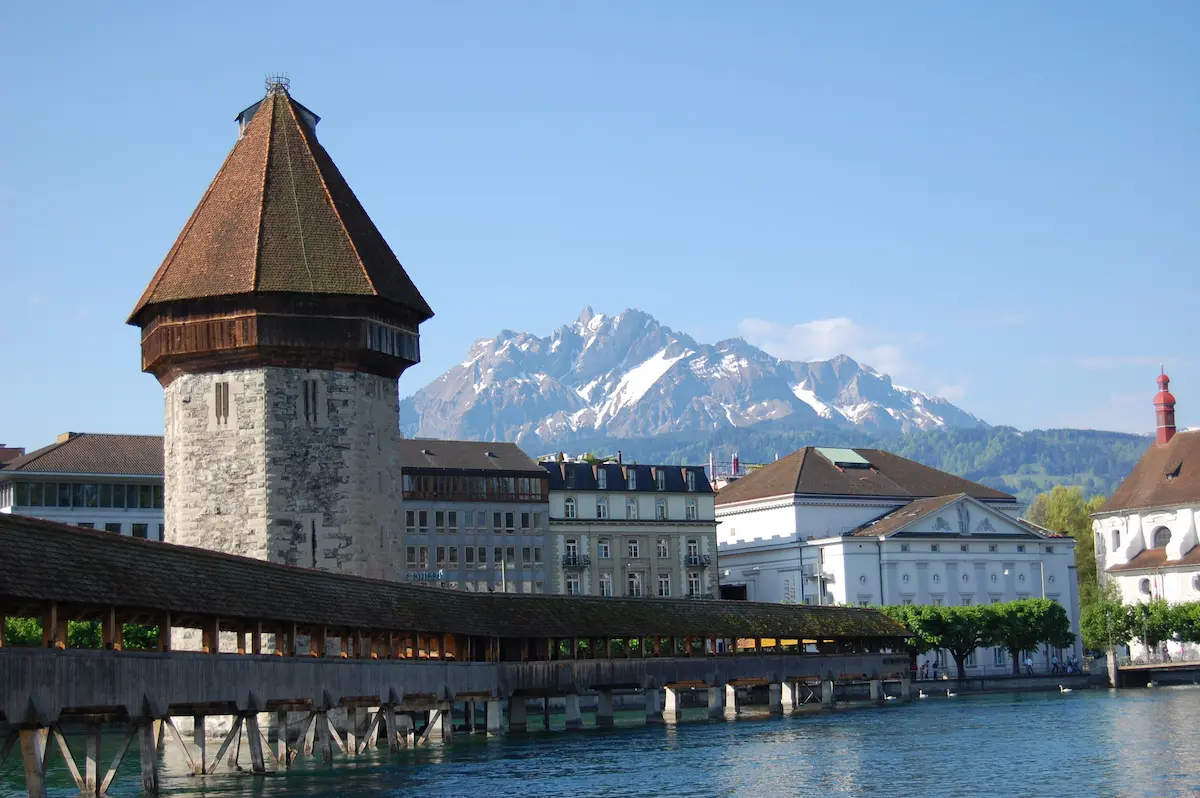
That makes Lucerne unusually efficient for a short first visit. You can spend one day around the Old Town, Chapel Bridge, the Reuss riverfront, museums, and the lake, then use another day for a mountain. You do not need the city itself to fill four or five days for the stop to feel substantial. TripFinch’s existing two-day itinerary uses the same city-plus-one-mountain structure.
There is a catch: mountain access is not the same every day of the year. Some routes are seasonal, and weather can make a summit day much less rewarding even when transport is operating. Pilatus, for example, advertises its full Golden Round Trip from May through October. If the mountain day is central to your choice, check the operating calendar and forecast close to your trip.
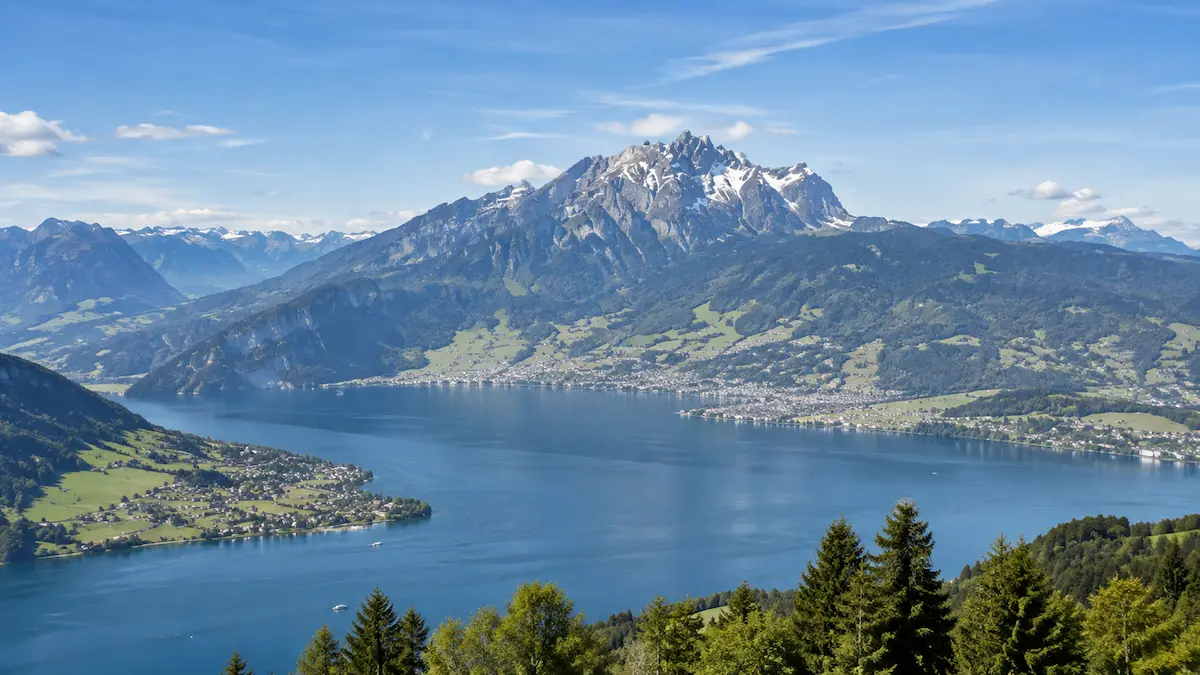
This is where Lucerne beats the other two for a particular traveler: not because it has “better scenery,” but because the city, lake, and mountain components can function as one compact travel unit.
If that is your priority, the TripFinch Lucerne in two days plan is the natural next step after choosing the city.
Choose Zurich If You Want More Urban Depth and an Easy Gateway
Zurich is the stronger choice when you want the city itself to carry more of the trip.
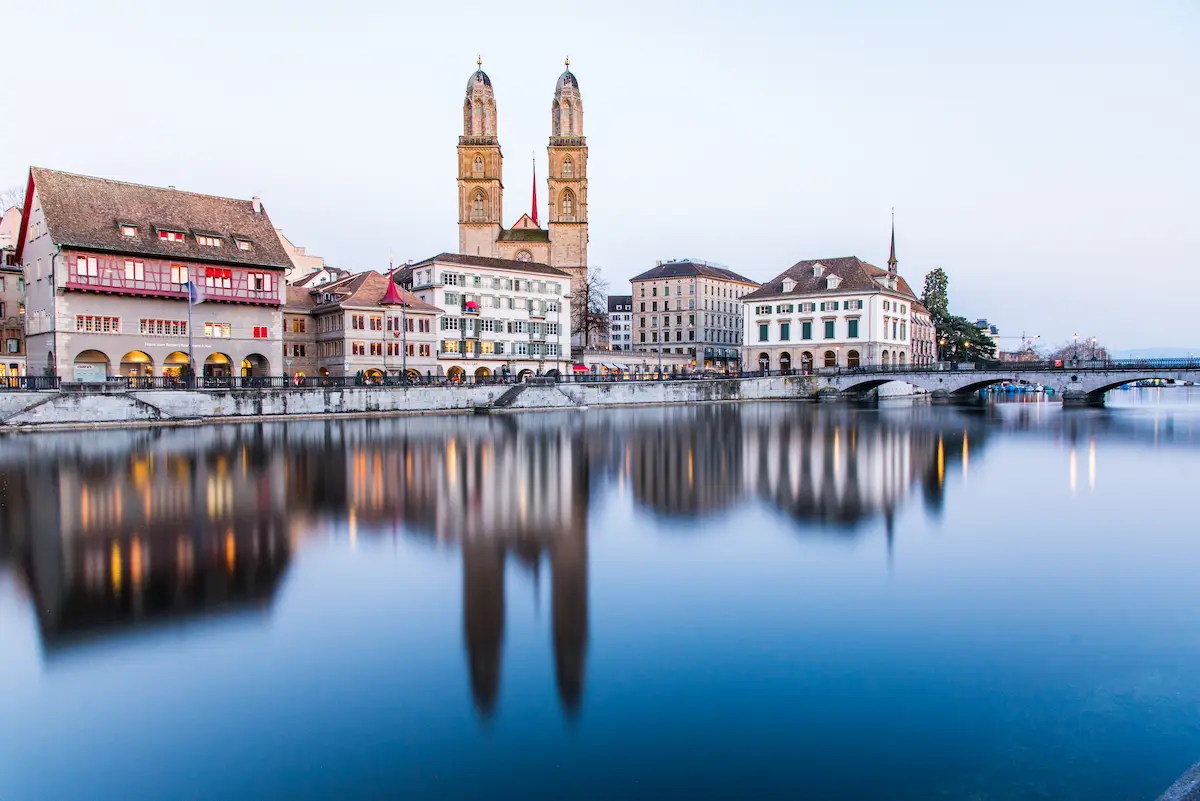
Its Old Town occupies both sides of the Limmat, and Zurich Tourism divides the city into 12 districts with very different urban roles. That matters because a Zurich stay does not have to end when you have walked the historic center. The lakefront, Enge, Zurich West, museums, shopping streets, nightlife, and neighborhood-focused days give the city more room to expand than Lucerne if you enjoy urban travel.
Zurich also has its own easy nature break. Uetliberg rises above the city and is reachable by local public transport, with views across Zurich and Lake Zurich toward the Alps. But it is useful to keep the scale straight: Uetliberg is a city-adjacent viewpoint and recreation area, not a substitute for a high-Alpine excursion from Lucerne.
The second reason to choose Zurich is logistical. Zurich Airport is closely connected to the city center, and Zurich’s main station is a major rail hub for onward travel. Current Zurich Tourism information puts the airport-to-center train ride at roughly 10–15 minutes, with frequent service during the day.
Last verified: August 2026. Airport connections and rail timetables can change, so check your actual travel date before relying on a specific connection.
That gateway role matters most when it repeats. If you land in Zurich, spend two or three nights there, then continue to another part of Switzerland, staying in Zurich can combine sightseeing with a practical start to the rail itinerary. SBB’s long-distance network shows Zurich on major national corridors, while direct services also connect it with Lucerne.
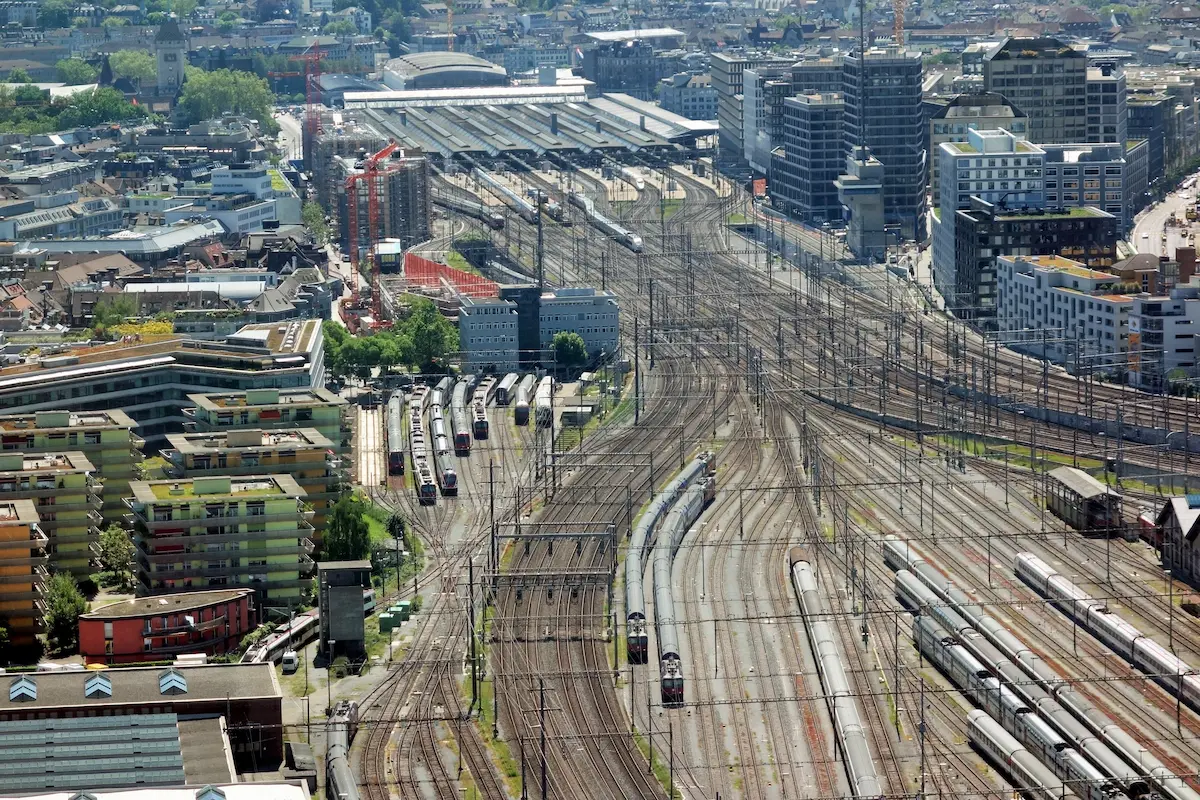
Do not choose Zurich only because your plane lands there. If the city is not one of your priorities and Lucerne is, continuing onward may be the better use of limited nights. The TripFinch guide to Zurich Airport to Lucerne is designed for exactly that decision.
If you do stay, where to stay in Zurich depends on which daily route you want to simplify: Old Town, Enge, and Zurich West solve different versions of a first visit.
Choose Geneva If International Geneva and Western Switzerland Matter
Geneva is the easiest of the three to misunderstand if you compare only Old Towns and lakes. Its strongest reason to choose it is not that it has a waterfront—Zurich and Lucerne do too. It is that Geneva combines a historic city and major lakefront with an international identity that the other two do not replicate.
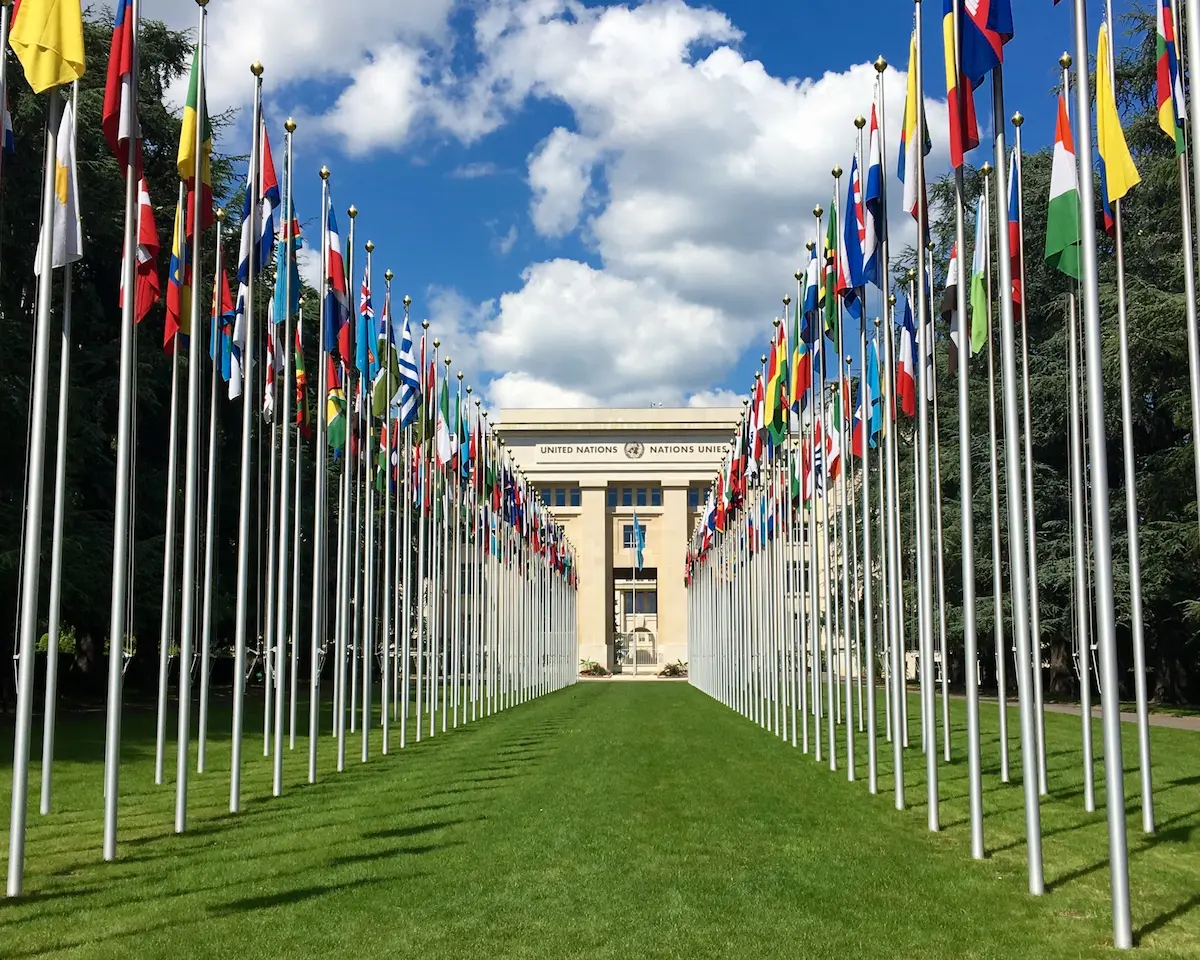
Geneva Tourism’s Old Town guide places the historic core around St. Peter’s Cathedral, old squares, museums, and the city’s Reformation history. Down by the lake, the waterfront creates a different axis for the day. Then the international district adds another layer: the Palais des Nations, humanitarian institutions, museums, and the broader presence of international organizations.
CERN adds a second reason that is unusually specific. For travelers interested in science or major international institutions, Geneva is not merely a convenient base; those places can be the reason to choose the city in the first place. Geneva Tourism includes CERN among the defining landmarks of the international side of the destination.
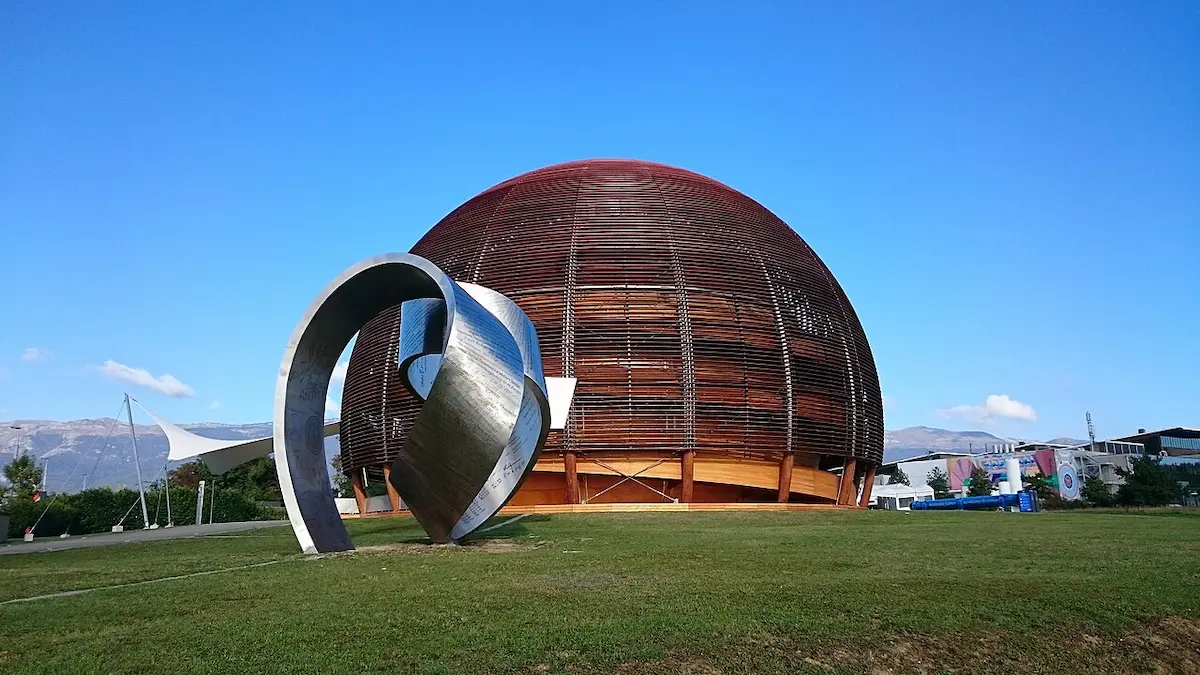
Both CERN and United Nations visits require more planning than simply showing up, and their operating or booking rules can change. TripFinch has separate guides to a CERN Geneva visit and the United Nations Geneva tour so those details do not need to be compressed into this city comparison.
Geneva also changes the geography of a Switzerland itinerary. Its rail network points naturally along Lake Geneva toward Lausanne and the wider French-speaking west, while Geneva Tourism promotes excursions that continue through places such as Lausanne, Vevey, Montreux, and Chillon. Fast rail connections also link Geneva with Zurich and other Swiss cities.
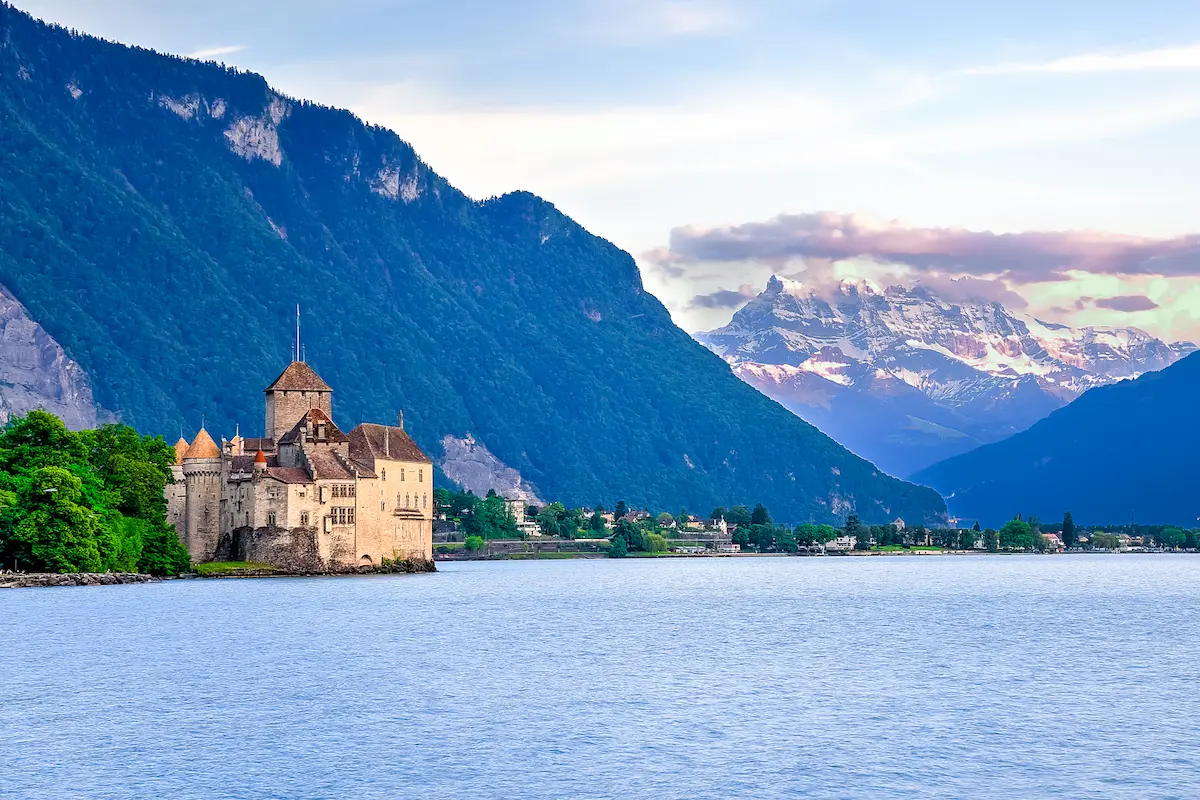
That makes Geneva a strong choice when your first trip is not centered on Central Switzerland. A plan built around Geneva and the Lake Geneva region has a different logic from one built around Lucerne, Zurich, and the central Alps.
For accommodation, the TripFinch where to stay in Geneva guide compares Old Town, Pâquis, Eaux-Vives, and Carouge by the trips you will repeat rather than by a generic neighborhood ranking.
The Best Choice Changes With the Rest of Your Switzerland Itinerary
A city can be the right destination and the wrong base. Before choosing, place it inside the full route.
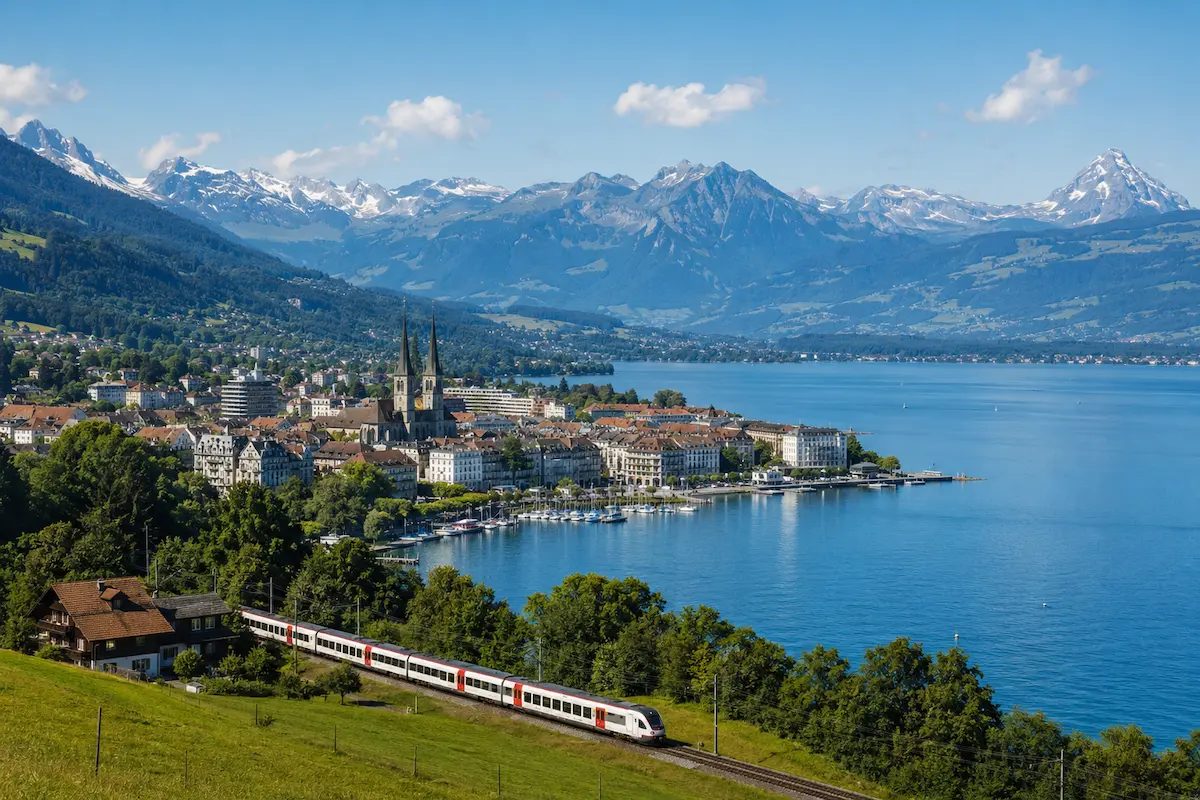
Zurich and Lucerne are especially easy to pair. SBB’s current network information shows frequent direct long-distance services between Zürich HB and Lucerne, including the IR70 and IR75 in the basic service pattern. That makes it realistic to use both cities on the same first trip without treating the move between them as a major cross-country transfer.
Lucerne and Geneva are also linked by direct long-distance service: SBB currently lists the IR15 toward Geneva in Lucerne’s basic long-distance pattern. But the two cities sit in different parts of the country and play different itinerary roles. Geneva belongs naturally to the western Lake Geneva corridor; Lucerne belongs naturally to Central Switzerland. Combining them can make sense, but it should be because both regions matter to you—not because three famous Swiss city names ended up on a checklist.
Zurich sits between those ideas more comfortably. It can be a destination, a flight gateway, and a rail gateway. That flexibility is why it often remains in an itinerary even when Lucerne is the city a traveler is more excited about.
A practical route test is straightforward:
- If your next major stop is in Central Switzerland, Lucerne often reduces backtracking.
- If your trip fans out across several parts of Switzerland or begins at Zurich Airport, Zurich often has the cleanest gateway role.
- If your itinerary continues through Lausanne, Montreux, the Lake Geneva region, or nearby France, Geneva often fits the route more naturally.
The point is not to minimize every train minute. It is to avoid choosing a base that repeatedly pulls you away from the places you actually came to see.
Should You Visit More Than One?
Yes, but adding a second city should solve a different need.
Zurich + Lucerne is the easiest pairing to justify for many first trips. Zurich gives you the larger urban experience and major gateway; Lucerne gives you the compact lake-and-mountain base. Their roles overlap just enough to make the transfer easy but not so much that the stays feel identical. SBB’s current direct-service pattern between the two supports that pairing operationally.
Geneva + Lucerne creates a bigger contrast: French-speaking western Switzerland and International Geneva on one side, Central Switzerland and mountain access on the other. The payoff can be high, but so is the geographic spread.
Zurich + Geneva makes sense when the trip is intentionally urban or when flight and rail logistics support both ends of the country. It is less compelling if the main dream is a mountain-focused first visit and neither city is being used to reach that goal efficiently.
Trying to sleep in all three on a short trip is where the plan can start working against you. Every hotel change has a hidden cost: packing, checkout, luggage handling, station time, and the dead space between leaving one room and settling into the next. Local overnight charges also vary by destination, as the Switzerland tourist tax guide explains. On a four- or five-night trip, two bases are usually easier to justify than three unless your transport schedule is doing something very specific for you.
What You Give Up With Each Choice
Every city removes one kind of friction and introduces another.
Choose Lucerne, and you gain the tightest city-lake-mountain combination. What you give up is some of Zurich’s urban range. If rain or clouds undermine the mountain day, more of the trip falls back on a relatively compact city.
Choose Zurich, and you gain a deeper urban stay plus one of the easiest arrival and onward-travel positions in the country. What you give up is Lucerne’s unusually immediate integration with high-mountain excursions. Zurich can absolutely be a base for day trips, but the mountain is less embedded in the city experience itself.
Choose Geneva, and you gain a city with a distinct international and scientific identity plus excellent positioning for western Switzerland. What you give up is geographic efficiency if most of your planned trip lies around Lucerne, Zurich, or the central and eastern parts of the country.
These are not flaws. They are the opportunity cost of choosing one base over another.
Which Swiss City Fits Your First Trip?
If you want one simple rule, start with the experience you would regret missing.
Choose Lucerne if that experience is waking up in a compact lakeside city and using it as the launch point for a mountain day.
Choose Zurich if you want a fuller city stay, multiple neighborhoods and cultural options, and a base that also works smoothly with flights and onward rail travel.
Choose Geneva if the city’s international institutions, CERN, Lake Geneva, or the French-speaking west are part of the trip’s identity rather than side attractions.
And if you are still split between Zurich and Lucerne, that may be the easiest problem to solve: visit both, but give each a different job.